Updated August 2026: This post was originally published in 2014 as part of a sponsored campaign with Chevrolet. Vehicle technology has changed considerably since then, but I’ve updated the post to remove outdated information and preserve the original perspective on how in-vehicle Wi-Fi was beginning to change family road trips.
My family has always spent a lot of time in the car. When my daughters were younger, that meant traveling to dance competitions, extracurricular activities, family trips, work assignments, and plenty of weekend road trips.
At the time I originally wrote this post, staying connected on the road wasn't nearly as easy as it is today. The girls often had homework to finish through online school portals, while my husband and I sometimes needed to work from our phones or laptops while traveling.
That could become a challenge very quickly when we drove through areas with weak cellular service.
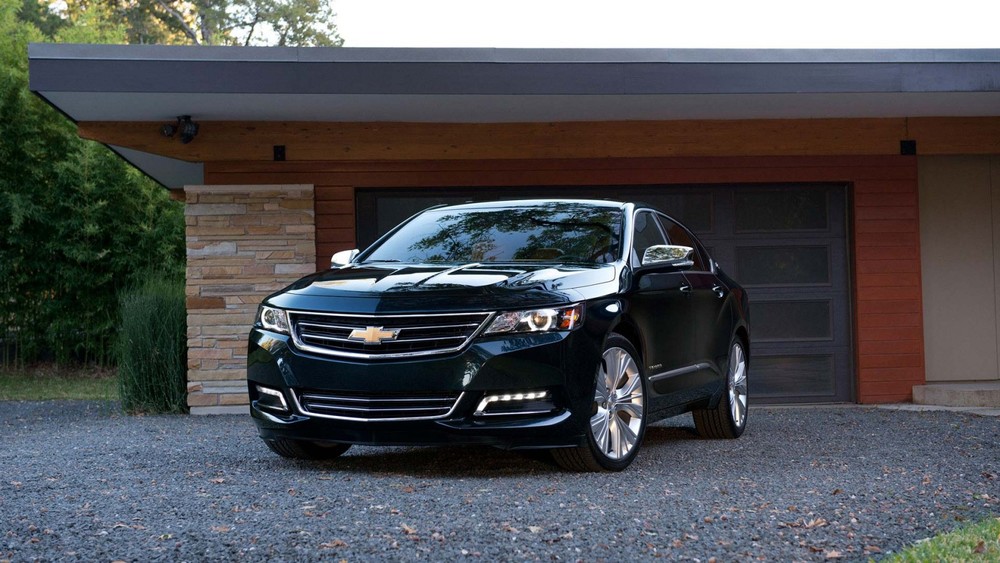
When In-Car Wi-Fi Was a Big Deal
In 2014, Chevrolet was beginning to introduce built-in 4G LTE Wi-Fi connectivity in several vehicle models.
At the time, the idea of having Wi-Fi built directly into the car seemed almost revolutionary to me.
I immediately thought about all those road trips when the girls needed to finish homework before we reached a hotel. Instead of arriving and spending the first few hours sitting in the room trying to get assignments completed, having reliable Internet access during the drive could have made those weekends much easier.
It also would have helped with all the little things that come up while traveling.
We have always enjoyed exploring small towns, looking for locally owned restaurants, finding unexpected attractions, and occasionally changing our plans when something interesting catches our attention.
Years ago, trying to search for a restaurant or attraction when our phone had a weak signal could be incredibly frustrating. Built-in vehicle connectivity offered another way for passengers to stay connected while traveling.
Technology Has Changed—But We Still Want to Stay Connected
Today, smartphones, mobile hotspots, navigation apps, and newer connected-vehicle systems have made Internet access on road trips much easier than it was when I originally wrote this post.
But the basic idea behind that early technology still makes sense.
Families travel with phones, tablets, laptops, streaming devices, navigation apps, and plenty of other technology. Whether passengers are working, doing schoolwork, looking for the next road-trip stop, or simply passing the time, reliable connectivity can make travel much more convenient.
Of course, technology should always be used safely. Drivers should never use laptops, phones, or other distracting devices while driving. In-car Wi-Fi and connected features are best used by passengers or by drivers when the vehicle is safely parked.
Looking back, it is interesting to remember how exciting built-in 4G LTE Wi-Fi seemed when Chevrolet first began introducing it. Technology that once felt incredibly futuristic has become something many travelers now expect when shopping for a newer vehicle.
And for a family that has spent countless hours together on the road, anything that makes those miles a little easier is still worth appreciating.
This post was originally written as a sponsored conversation on behalf of Chevrolet in 2014. The opinions and experiences expressed are my own.


0 Comments