
Starting a new exercise routine can feel exciting, energizing, and full of possibility. Staying consistent, however, is often more challenging than beginning. Most people experience several predictable stages as they move from occasional activity to a lasting fitness habit.
Understanding these stages can help you prepare for changing motivation levels, scheduling challenges, boredom, missed workouts, and the gradual process of making exercise part of your normal routine. Rather than seeing a difficult week as failure, you can recognize it as one part of a longer fitness journey.
When you decide to improve your fitness, the most effective approach is usually one that can adapt to your schedule, abilities, interests, and changing needs.
Key Takeaways
- Motivation naturally changes after the excitement of a new workout routine fades.
- Scheduling, boredom, and missed sessions are common parts of building an exercise habit.
- Missing one workout does not erase your progress.
- Changing your activities, location, goals, or workout intensity can help renew your interest.
- Long-term consistency depends more on flexible habits than constant motivation.
The 7 Stages of Building a Consistent Exercise Routine
Not everyone experiences these stages in the same order or within the same amount of time. You may move forward, return to an earlier stage, or experience several stages at once. Use this guide as a practical way to understand what you may encounter while developing a sustainable exercise habit.
1. The Excitement Stage
When you first commit to an exercise routine, excitement is often your strongest source of motivation. You may research different workouts, create a detailed schedule, buy new fitness clothing, or explore gyms such as https://www.clubfitness.us/.
During this stage, working out feels new and rewarding. You may enjoy learning how to use equipment, tracking your progress, and imagining how your strength, energy, or endurance could improve.
The excitement stage can give you an important push, but it also creates a risk of doing too much too soon. Beginning with long, intense, or frequent workouts may leave you overly sore, exhausted, or more vulnerable to injury.
How to Handle the Excitement Stage
- Start with manageable workouts instead of attempting an advanced routine immediately.
- Include rest and recovery days in your schedule.
- Focus on proper form before increasing weight, speed, or intensity.
- Choose goals that are realistic for your current fitness level.
- Pay attention to pain, unusual fatigue, or other signs that you may be overdoing it.
The goal during this stage is not to prove how hard you can work. It is to create a positive beginning that makes you want to continue.
2. The Adjustment Stage
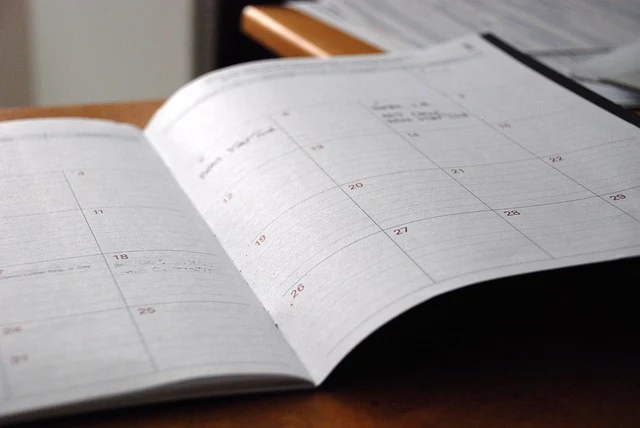
After the first few weeks, the novelty of your new routine may begin to fade. You also become more aware of the practical time involved in exercising.
A gym session may require more than the workout itself. You may need time to travel, change clothes, warm up, cool down, shower, and return home. Even a shorter home workout must compete with work, errands, caregiving, social plans, and household responsibilities.
This is when exercise must move from an exciting idea to a realistic part of your schedule.
How to Make Exercise Fit Your Life
- Schedule workouts at times you can usually protect.
- Keep a shorter backup workout for particularly busy days.
- Prepare clothes, shoes, water, or equipment in advance.
- Avoid sacrificing every social activity or relaxing moment for exercise.
- Consider home, outdoor, or workplace workouts when traveling to a gym is inconvenient.
A sustainable fitness routine should support your life rather than make everything else feel impossible. A balanced schedule can prevent exercise from beginning to feel like punishment.
3. The Acceptance Stage
The acceptance stage begins when exercise no longer feels completely new. You understand that working out is now one of your regular responsibilities, even when another activity sounds more enjoyable.
You may be invited somewhere during your usual workout time, face an unusually busy week, or simply wake up without much motivation. Skipping an occasional workout is normal. The more important question is how quickly you return to your routine.
One missed session does not cause a fitness routine to fail. Difficulties tend to develop when one missed workout becomes several weeks of avoiding exercise.
How to Return After Missing a Workout
- Resume your routine at the next reasonable opportunity.
- Avoid trying to punish yourself with an excessively difficult workout.
- Identify what caused the interruption and decide whether your schedule needs adjusting.
- Use a shorter or easier session to rebuild momentum when necessary.
- Remember that consistency is measured over time, not by a perfect weekly record.
As the initial novelty fades, you may need to rely more on planning and self-discipline. The suggestions at https://www.psychologytoday.com/ may provide additional ideas for strengthening willpower and following through on your intentions.
4. The Boredom Stage

At some point, your familiar workout may begin to feel repetitive. You may become tired of arranging your schedule around exercise, visiting the same gym, following the same route, or completing the same movements.
Boredom is one of the most common reasons people lose interest in a workout routine. It does not necessarily mean that exercise is no longer right for you. It may simply mean that your routine needs to change.
Try a Different Type of Exercise
If you have focused mainly on cardiovascular exercise, consider adding strength training, yoga, Pilates, swimming, hiking, dancing, or another activity. A different style of movement can challenge your body and give you something new to learn.
Adjust the Challenge
A workout that once felt demanding may become easier as your fitness improves. You may need to gradually increase the weight, resistance, duration, speed, or complexity of the activity.
Increase the challenge carefully. More intensity is not always the answer, especially when boredom is accompanied by ongoing soreness, fatigue, irritability, or declining performance. In those situations, rest or a lighter week may be more helpful.
Change Your Environment
If you usually exercise indoors, try an outdoor walk, run, or bodyweight workout when weather and safety conditions allow. If you normally exercise alone, consider a class or a workout with a friend. A simple change of scenery can make a familiar activity feel more interesting.
Create a New Goal
A meaningful goal can give your workouts a renewed sense of purpose. You might work toward completing a longer walk, improving a particular movement, attending a certain number of classes, or becoming strong enough to perform an everyday task more comfortably.
5. The Lapsed Stage
Even people who have exercised consistently for months may experience a lapse. Work demands, travel, illness, family responsibilities, seasonal changes, stress, or simple fatigue can interrupt a routine.
You may begin missing sessions, putting less effort into your workouts, or questioning whether your current routine still fits your life. This does not mean all of your previous progress has disappeared.
By this point, you may already have experience returning after a break. The challenge is to notice the lapse before it becomes a long-term withdrawal from physical activity.
How to Restart After a Fitness Lapse
- Begin with a realistic schedule rather than immediately returning to your previous workload.
- Choose activities you currently enjoy instead of forcing yourself back into a routine you dislike.
- Set a small goal for the first one or two weeks.
- Expect your strength or endurance to feel different after time away.
- Increase your workload gradually as your body readjusts.
New goals can also help you reconnect with your reasons for exercising. The guidance at https://www.livestrong.com/ discusses ways to set realistic fitness goals that can give you something practical to work toward.
6. The Guilt Stage
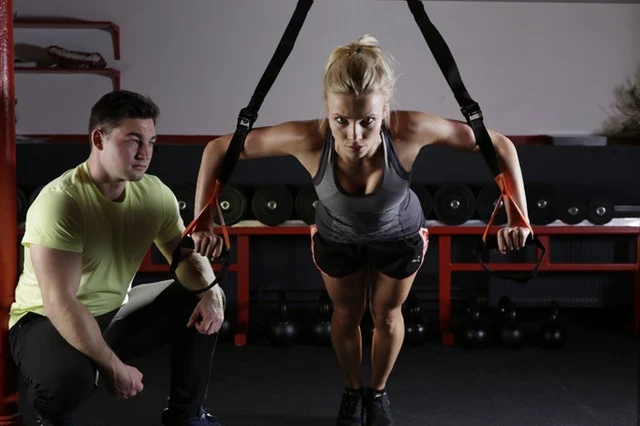
After missing workouts or reducing your effort, you may begin to feel guilty. You might criticize yourself for losing progress, failing to meet a goal, or not exercising as often as you believe you should.
Guilt may briefly motivate you, but harsh self-judgment is rarely a helpful long-term strategy. It can cause exercise to feel like a punishment and make returning even more difficult.
Instead of focusing only on what you did not do, acknowledge the habits you have already developed. Even if your schedule has been inconsistent, you have gained experience, learned which activities you enjoy, and discovered some of the obstacles that affect your routine.
Use Guilt as Information, Not Punishment
- Ask whether your previous schedule was genuinely realistic.
- Identify any barriers that repeatedly caused you to miss workouts.
- Adjust your expectations during demanding periods of life.
- Focus on the next helpful action rather than past missed sessions.
- Increase activity gradually instead of attempting to make up for lost time.
You can challenge yourself without treating every interruption as a personal failure. A flexible routine is often more sustainable than a rigid plan that leaves no room for illness, family needs, work, travel, or rest.
7. The Settled Stage
Eventually, exercise may begin to feel like a normal part of your life rather than a temporary project. You no longer need the excitement of a brand-new routine to stay active. You understand which activities work for you and how to return after a break.
At this stage, physical activity may be connected to your weekly schedule, stress management, social life, energy levels, or sense of well-being. Missing a session is less likely to cause panic because you are confident that you can continue when circumstances allow.
The settled stage does not mean you will always feel motivated or never face another interruption. It means you have created enough experience and structure to adapt without abandoning exercise completely.
How to Maintain a Long-Term Fitness Habit
- Continue choosing activities you genuinely enjoy.
- Adjust your routine when your schedule, health, or goals change.
- Include variety without changing everything at once.
- Use rest and recovery as part of your plan.
- Celebrate improvements in energy, mobility, strength, endurance, and confidence.
How Long Does It Take to Make Exercise a Habit?
There is no single timeline that applies to everyone. Your schedule, health, fitness level, environment, support system, and preferred activities can all affect how quickly exercise begins to feel routine.
Instead of focusing on a specific number of days or months, look for signs that your habit is becoming more established. You may notice that you plan workouts automatically, keep basic equipment ready, return more quickly after interruptions, or miss the way movement makes you feel when you have been inactive.
What Should You Do When You Lose Workout Motivation?
Low motivation does not always mean you should quit. It may be a sign that your routine has become too demanding, repetitive, inconvenient, or disconnected from your current goals.
When your motivation drops, consider taking one practical step:
- Shorten the workout.
- Try a different activity.
- Exercise at another time of day.
- Invite someone to join you.
- Choose a new location.
- Schedule additional recovery.
- Set a smaller and more immediate goal.
Motivation naturally rises and falls. Creating routines that can continue during low-motivation periods is one of the most important parts of long-term consistency.
Frequently Asked Questions
Is it normal to lose motivation after starting an exercise routine?
Yes. The excitement associated with a new routine often fades once exercise becomes familiar. This does not mean you have failed. Changing your workout, setting a new goal, or adjusting your schedule may help you remain consistent.
What should I do if I miss several workouts?
Return with a manageable session instead of trying to compensate with an unusually difficult workout. Consider why you missed the sessions and make any scheduling or routine changes that could help prevent the same obstacle from recurring.
How can I make exercise less boring?
Try a different type of movement, change your workout location, join a class, exercise with a friend, create a new playlist, or work toward a specific skill or performance goal.
Does a short workout still count?
Yes. A shorter workout can help you maintain your routine during a busy day. It may also be easier to begin, which can make it useful when motivation is low.
Should I exercise when I am sore?
Mild muscle soreness can occur after unfamiliar activity, but significant pain, swelling, weakness, or pain that affects normal movement may require rest and professional guidance. Avoid pushing through sharp or worsening pain.
How do I know whether my workout routine is sustainable?
A sustainable routine fits reasonably well with your schedule, allows time for recovery, supports your goals, and can be adjusted when life changes. It should not depend on perfect motivation or require you to ignore ongoing pain and exhaustion.
A Few Last Wellness Notes
Building a lasting exercise habit is rarely a perfectly smooth process. Excitement may lead to adjustment, boredom, missed workouts, guilt, and renewed commitment before physical activity begins to feel like a settled part of your life.
The most important skill is not maintaining a flawless record. It is learning how to adapt and return. A missed session, busy week, or temporary loss of motivation does not erase the progress you have already made.
Choose activities that fit your abilities, allow your body time to recover, and make changes when your current routine no longer works. With patience, flexibility, and realistic expectations, exercise can become a regular habit that supports your health and daily life for years to come.



0 Comments