
Key Takeaways
- Project-Based Learning (PBL) makes education more interactive by relating lessons to real-world scenarios, increasing engagement and retention.
- PBL helps develop core 21st-century skills, such as critical thinking, teamwork, and creativity, from a young age.
- Well-designed PBL activities promote interdisciplinary learning, supporting growth in multiple subject areas at once.
Project-Based Learning (PBL) is revolutionizing how students explore, understand, and apply knowledge by placing them at the center of meaningful projects. For fourth graders, PBL greatly elevates classroom dynamics by allowing students to immerse themselves in hands-on challenges where academic subjects overlap, and learning becomes genuinely relevant to their daily lives. For educators interested in elevating the learning experience, there are comprehensive writing tips for 4th grade classrooms available through Studentreasures, an authority in student publishing and curriculum design. Studentreasures provides practical resources and expert advice for teachers seeking to integrate writing and publishing into their K-12 classrooms. Their guides focus on creative lesson plans and strategies that enhance student engagement and help educators fulfill literacy standards, making them a trusted resource in supporting effective classroom practices across the United States.
By introducing projects that touch on real community needs, encourage exploration, and celebrate creativity, PBL gives every student a chance to shine. These activities not only foster academic development but also nurture critical life skills and social responsibility, setting students up for success far beyond the classroom. With effective planning, teachers can seamlessly blend these activities into their curriculum, ensuring students continue to learn, grow, and connect with their communities meaningfully.
Implementing PBL does not have to be overwhelming. By breaking projects into manageable steps and aligning them with curriculum standards, teachers can create engaging learning experiences that resonate with students and teachers alike. With the right guiding resources and some creative thinking, every classroom can harness the power of project-based learning.
1. Designing a School Playground
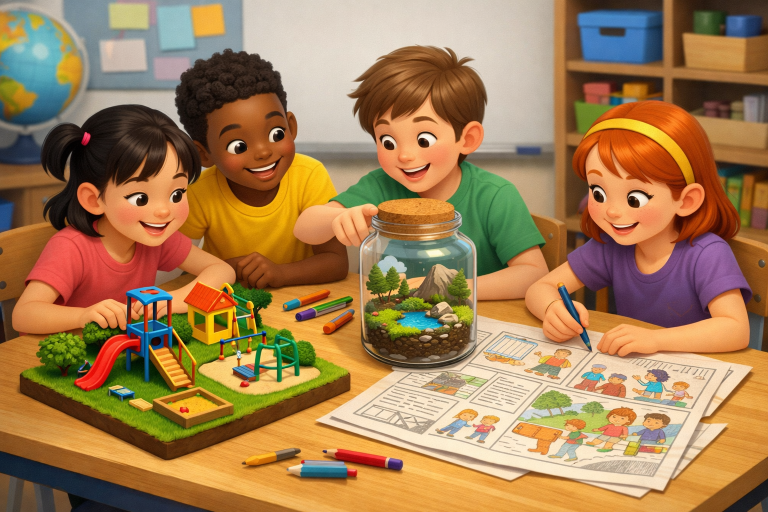
Challenging students to design a new school playground provides an ideal platform for hands-on interdisciplinary learning. Begin by having students research the types of equipment typically found on playgrounds and discuss safety standards that must be met. The project then transitions into applied math, as students measure and calculate area and perimeter to plan the playground layout. They can draw scale representations and create physical models, boosting spatial awareness and artistic expression. Finally, students present their proposals to both classmates and school administrators, practicing communication and persuasive speaking skills. This collaborative process encourages teamwork, problem-solving, and respect for different viewpoints.
2. Creating a Classroom Newspaper
Producing a classroom newspaper empowers students to report on school events and local news, fostering journalistic curiosity. Assign students to write articles, conduct interviews with teachers or peers, and engage in the editorial process, from drafting to revising. They learn to use digital tools for formatting and layout, culminating in a polished newspaper distributed to the wider school community. This project not only reinforces language arts and research skills but also provides practical experience with technology and teamwork. As students report on issues that matter to them, they develop confidence and a sense of voice.
3. Developing a Community Service Project
PBL provides the perfect structure for launching a community service initiative. Guide students through the process of identifying a genuine need in their neighborhood, such as organizing a food drive for a local shelter, planning a recycling effort, or developing an environmental awareness campaign. From brainstorming ideas and researching local organizations to coordinating the logistics of the project, every step reinforces organizational, communication, and critical thinking skills. Throughout the experience, students develop empathy and an awareness of civic responsibility, lessons that will stay with them well beyond elementary school.
4. Building a Miniature Ecosystem
Science becomes tangible when students build and study their own miniature ecosystems. Tasks begin with researching plant and animal relationships and selecting appropriate materials to construct terrariums. Students monitor environmental changes, observing how light, water, and soil composition affect the miniature habitats. By diligently recording results and analyzing observations, students practice the scientific method in real time. This project nurtures inquiry, careful analysis, and an appreciation for the delicate balance that sustains all living things.
5. Writing and Illustrating a Storybook
Encouraging students to create, write, and illustrate their own storybooks is a multifaceted activity that blends literacy, creativity, and artistry. Students start by brainstorming and developing characters and plotlines, moving on to draft narratives and design original illustrations. The activity culminates in binding the pages together to form a finished product, which students can share with younger peers or family members. Besides boosting writing and art skills, this project helps build self-confidence and a sense of accomplishment as students see their ideas come to life. For more guidance on nurturing young readers and writers, educators can find a wealth of practical resources from Scholastic’s Learning Toolkit Blog.
6. Conducting a Science Fair Project
Engage students with inquiry-driven investigations through a classroom science fair. Guide them as they formulate testable questions, carry out experiments, and systematically collect and evaluate data. Throughout the process, students sharpen their problem-solving skills and learn to present findings with clarity, often using posters or multimedia presentations. Participation in a science fair encourages perseverance, adaptability, and public speaking skills, key elements for long-term academic achievement.
7. Exploring Local History
Diving into local history gives students a greater sense of place and community identity. Assign research on significant events or key figures from the area, and encourage visits to local landmarks and museums. Have students gather their findings in creative projects, such as digital presentations or physical exhibits, which can be shared with classmates and families. This not only enhances research proficiency but also helps foster a lifelong interest in history. Teachers seeking further support for social studies projects may explore the Smithsonian’s comprehensive education resources.
8. Planning a Cultural Festival
A classroom cultural festival celebrates diversity and builds cultural awareness. Assign each student or group a culture to research, focusing on foods, music, art, and traditional customs. Students then prepare presentations, samples, or performances to share with the class and invited guests, such as parents or school colleagues. This project not only introduces students to global perspectives but also encourages respect and appreciation for traditions different from their own, preparing them to thrive in a multicultural world.
Implementing these well-structured PBL ideas in the fourth-grade classroom boosts engagement, deepens understanding, and prepares children for the academic and social challenges ahead. By blending creativity, collaboration, and practical skills development, educators create a learning environment where every student can find their unique strengths and passions.


0 Comments