
Key Takeaways
- Regular inspections are essential to detect early signs of termite activity.
- Maintaining a dry environment around your home can deter termite infestations.
- Sealing potential entry points helps prevent termites from accessing your home.
- Professional treatments and preventive measures offer long-term protection.
Table of Contents
- Understanding Termite Behavior
- Common Signs of Infestation
- Effective Prevention Strategies
- Importance of Regular Inspections
- Professional Treatment Options
- Regional Considerations
- Conclusion
Termites, often called "silent destroyers," can secretly undermine the structural stability of homes, sometimes causing significant damage before you even notice their presence. Protecting your property starts with knowledge and careful prevention. For residents in high-risk areas, especially those concerned about termite extermination on Southern Utah, learning effective termite deterrence techniques is critical to protecting your investment and ensuring peace of mind.
Many homeowners do not realize how quickly termites work or how subtle their early warning signs can be. In most cases, regular maintenance, vigilance, and routine inspections are your best lines of defense. With a few simple, proactive habits, you can significantly reduce your risk of infestation and avoid the costly repairs termites often require.
Understanding how termites gain entry, what attracts them, and which measures are truly effective offers you the best chance for long-term security. Different species may behave in unique ways, but applying tried-and-true deterrence strategies makes all the difference.
If you reside in a region with particularly aggressive termite activity, these prevention practices become even more crucial. A solid approach not only saves you money but also helps protect your home's value and your family's safety.
Understanding Termite Behavior
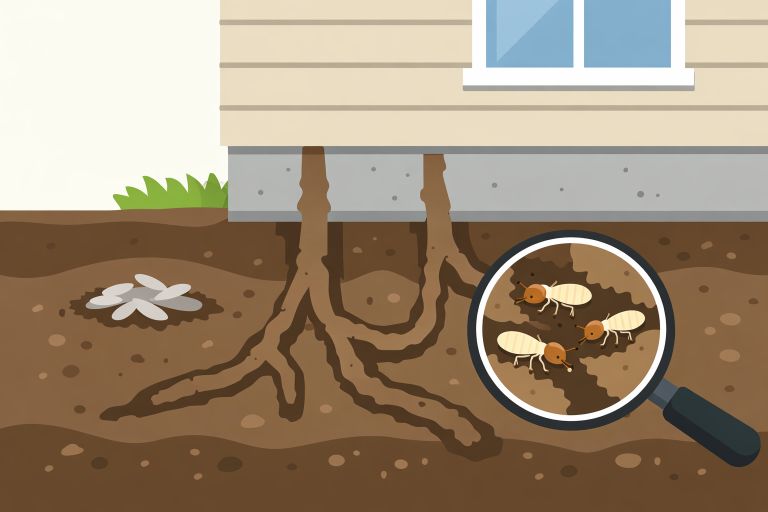
Termites are highly social insects that form large colonies, working together to find and consume cellulose-rich materials such as wood. The damage they cause often remains hidden for months or even years, allowing an infestation to progress undetected. In the United States, subterranean termites are the primary cause of residential damage. They typically build colonies in the soil and travel through hidden mud tubes to reach the structure of your home. Drywood termites are also common in some regions and can live directly in the wood of your house, bypassing the soil entirely.
Common Signs of Infestation
Spotting the early warning signs is essential for minimizing damage. Be vigilant for these key indicators:
- Mud Tubes: Narrow tunnels made from soil and saliva, often running up foundation walls or along joists, used by subterranean termites to access above-ground wood while retaining moisture.
- Discarded Wings: Small piles of translucent wings near windows, doors, or other light sources are evidence of a recent termite swarm. Swarming typically occurs in spring or after heavy rains when young reproductive termites leave the nest to form new colonies.
- Damaged Wood: Infested wood may appear unblemished on the outside but will sound hollow when tapped or show intricate mazelike tunnels if opened.
- Frass: Small, sand-like pellets of dry wood, evidence of drywood termites clearing their galleries. This debris often collects on surfaces below infested areas.
Effective Prevention Strategies
Proactive prevention can make your home far less appealing to termites. Consider these expert-backed measures:
- Eliminate Wood-to-Soil Contact: Always keep wooden elements, such as decks, supports, or fencing, at least a few inches above the ground and separated from the soil with concrete or metal barriers whenever possible.
- Maintain Proper Drainage: Repair leaky pipes, redirect downspouts, and keep gutters clean so that water flows away from your foundation. Moisture is a powerful attractant for many termite species.
- Store Firewood Properly: Never stack wood or lumber directly against your house. Store it at least 20 feet away and keep it raised several inches off the ground to prevent termites from moving from the woodpile to your home.
- Seal Entry Points: Carefully inspect and seal cracks or gaps in your foundation, around windows and doors, and where utilities enter your home. Silicone-based caulks and foam sealants work well for closing these vulnerabilities.
Importance of Regular Inspections
Yearly inspections by a licensed pest control expert remain the most reliable way to spot hidden infestations early. Professionals have the experience and tools to uncover subtle signs that the untrained eye might miss. They can also provide region-specific preventive guidance tailored to your property’s unique risks and construction type. Scheduling annual, or sometimes semi-annual, checkups significantly reduces your risk of long-term termite damage.
Professional Treatment Options
If signs of infestation are discovered, seek prompt intervention from a trusted pest management provider. Common treatment protocols include:
- Liquid Termiticides: These are applied to the soil surrounding the home to form a lethal barrier. Termites are killed as they tunnel through treated areas.
- Bait Systems: Subtle, child- and pet-safe stations placed around your yard lure termites, which then share the slow-acting toxin with the rest of the colony.
- Fumigation: Extreme infestations, especially of drywood termites, may require whole-home fumigation. The process involves tenting your home and releasing a gas that penetrates every nook and cranny to eradicate the insects.
Discuss your options with pest professionals to determine the least invasive yet most effective approach for your situation.
Regional Considerations
Your region’s climate and specific termite threats should influence your prevention and inspection routines. For instance, warm, humid states such as Florida experience more aggressive, frequent infestations, whereas drier or colder zones may see fewer incidents but still require vigilance. Homeowners in high-risk zones benefit greatly from investing in frequent professional evaluations and staying alert to seasonal patterns in termite activity.
Conclusion
Protecting your property from termites is a continuous process that combines education, maintenance, and professional support. By learning to spot infestation signs early, keeping your home dry and well-sealed, and scheduling regular inspections, you can safeguard your investment and enjoy lasting peace of mind.


0 Comments