
Key Takeaways
- Cleanliness, food management, and moisture control are the foundation of pest prevention in St. Louis homes.
- Careful inspection and swift sealing of entry points are vital, given the age and style of many local structures.
- Proper maintenance of outdoor spaces reduces problems before they enter your home.
- Natural and professional solutions work together for long-term pest management.
- Early detection and action are crucial for minimizing health and property risks.
Every St. Louis resident knows the challenges of keeping their home pest-free. From humid summers that attract mosquitoes to chilly winters that send rodents seeking shelter, local conditions make pest prevention a year-round priority. Armed with the right strategies and support from experts like pointepestcontrol.com, St. Louis homeowners can create healthier, more comfortable living spaces while protecting their property and families from disease-carrying intruders. The unique Midwestern climate, proximity to rivers, and older architecture found throughout neighborhoods from Tower Grove to Soulard contribute to specific pest concerns in the region. By understanding local risks and adopting proven techniques, you can stay ahead of infestations and maintain the integrity of your historic or modern St. Louis home.
Maintain Cleanliness for a Pest-Free Environment
Pests are opportunists, seeking out crumbs, spills, and clutter as sources of food and shelter. For families in St. Louis, especially in busy urban areas, maintaining a regular cleaning schedule is essential. Sweep and mop floors frequently, wipe down kitchen counters, and clean up spills as soon as they occur. Pay special attention to hard-to-reach places, including beneath appliances and inside cupboards, where food particles can accumulate unnoticed. Avoid letting dishes pile up in the sink; this is especially important during the humid summer months, when pests are most active. Regularly empty trash bins inside and out, as overflowing garbage provides a buffet for rodents and insects.
Proper Food Storage: A Must in St. Louis Households
Storing food properly prevents it from becoming a feast for pests. St. Louis homes, many of which feature older pantries and basements, require extra diligence. Invest in airtight containers for cereals, flour, and snacks, and make sure all fruits and vegetables are refrigerated or consumed promptly. This is equally true of pet food, which is a common attractant for pests. Avoid leaving pet food out overnight and store it in sealed bins. As part of your routine, scour the back of your cupboards each season to discard expired goods and items that are damaged or show signs of contamination. These simple measures can drastically reduce the chances of an indoor infestation.
Seal Entry Points: A Crucial Step for Aging St. Louis Homes
Many treasured St. Louis homes have beautiful, historic features, but are also prone to small cracks and gaps where pests can get inside. Carefully inspect areas around windows, doors, basement foundations, and where utilities enter your home. Use caulk and weather stripping to seal even the smallest gaps; as local experts note, a rat only needs a hole the size of a pen to enter your home. Routine checks, especially after a harsh Midwest winter, help keep new openings from forming. For larger entry points or structural vulnerabilities, consider enlisting a professional for more extensive repairs. Regular home maintenance, including updating seals and replacing worn screens, makes a noticeable difference.
Manage Moisture to Discourage Common Pests
The climate in St. Louis features humid summers and abundant rainfall, creating ideal breeding conditions for pests such as cockroaches and mosquitoes. Be vigilant in fixing leaky pipes, faucets, or roofs. Use dehumidifiers in basements and crawl spaces, and ensure that attics and laundry areas have sufficient ventilation. Clean gutters and direct water away from the foundation to prevent puddles, which attract pests and cause structural issues. Following the guidance from Consumer Reports can enhance your pest-prevention efforts further.
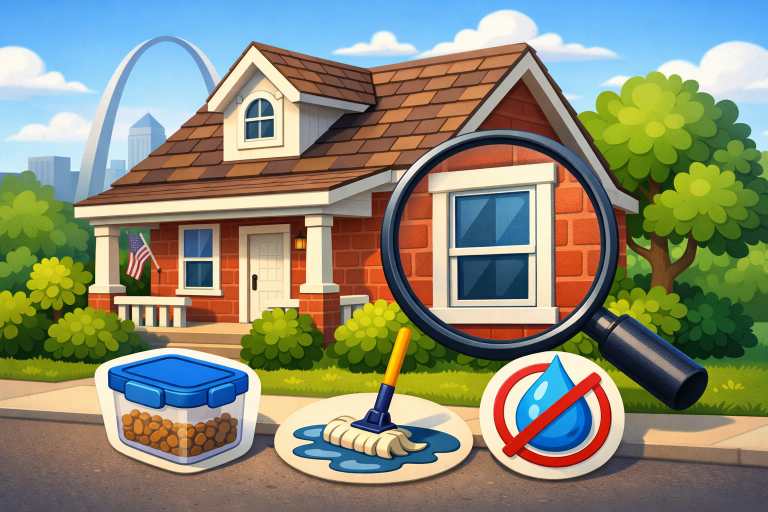
Outdoor Maintenance Is Critical in St. Louis Neighborhoods
The lush greenery of St. Louis can make outdoor maintenance challenging but necessary. Keep bushes, shrubs, and trees trimmed back to prevent them from touching the house, as they can serve as bridges for ants and insects. Stack firewood away from the foundation and clear debris, such as leaves and grass clippings, which can harbor ticks and other pests. Ensure garbage cans are tightly sealed and washed regularly, especially during the warmer months when odors travel more quickly and attract wildlife. Simple actions like these make your yard an unwelcome place for pests seeking easy access to your home.
Leverage Natural Repellents for Safe, Local Solutions
Families concerned about pest control reports guidance living further in historic areas may appreciate repellents. Essential oils like mint and clove not only smell pleasant but can also deter pests, such as stink bugs and spiders, when sprayed around doorways and windows. Placing bay leaves in pantry areas may discourage certain insects. Regular use of these remedies, especially at the turn of each season, complements broader pest management strategies and can reduce reliance on harsher treatments. For more on practical home prevention, see the advice from Consumer Reports.
Monitor for Early Signs of Infestation
Vigilance is your best tool. Watch for telltale signs like droppings, gnawed materials, nests, or scratchy sounds in walls and ceilings. Early detection lets you act swiftly, minimizing damage and expense. In St. Louis, common pests to monitor include rodents, cockroaches, termites, and occasional intruders like raccoons, so schedule regular inspections and address new changes immediately.
When to Call St. Louis Pest Professionals
Some situations call for expert intervention, particularly when infestations are repeated or severe and do not respond to preventive efforts. A local professional can identify the species, uncover hidden nests, and customize treatments that are safe and effective for both your family and the unique St. Louis environment. With the right combination of at-home diligence and professional service, your home can remain a safe, healthy place year-round. Investing in pest prevention means investing in your St. Louis home and your family’s well-being. With practical steps, routine monitoring, and local knowledge, you can tackle local pest challenges confidently and enjoy the comfort and security you deserve.


0 Comments