 Key Takeaways
No single vision correction procedure is right for every patient.
Prescription stability, corneal shape, tear-film health, age, and lifestyle can affect candidacy.
Laser procedures, lens-based procedures, and non-surgical options have different recovery considerations.
Cost matters, but the full care plan and follow-up process matter too.
A careful consultation should explain both suitable options and reasons a procedure may not be appropriate.
Choosing vision correction is a personal decision that should take into account your eyes, your routine, and the level of visual freedom you hope to gain. For Oahu residents exploring Lasik surgery Honolulu, the best starting point is not simply asking which procedure is newest or most popular. It is understanding how each option may fit your prescription, eye health, work, hobbies, and long-term expectations.
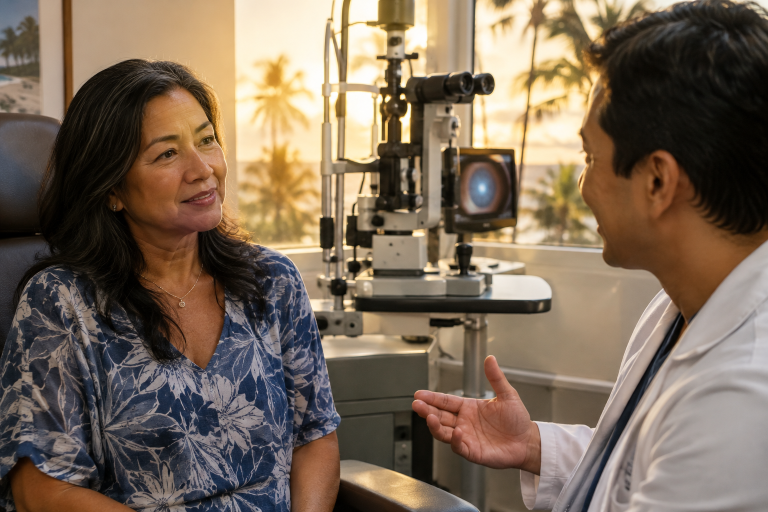
Life in Honolulu can make those practical questions especially meaningful. Bright sunlight, frequent time spent outdoors, beach days, ocean activities, screen-based work, and evening driving all create distinct visual demands. A thorough eye examination and conversation with a qualified eye surgeon can help determine whether surgery, glasses, contact lenses, or a combination of options makes the most sense.
Why Vision Correction Options Differ
Nearsightedness, farsightedness, and astigmatism affect how light focuses in the eye. Some procedures reshape the cornea, while others place or replace a lens inside the eye. Age-related changes in near vision can also influence the conversation, even for people who see well at a distance. The goal is not to select a procedure by name, but to find an approach that aligns with your eye measurements and priorities.
Main Types of Vision Correction
Laser-Based Procedures
LASIK uses a corneal flap before laser reshaping. PRK is a surface-based procedure with a different healing process, and SMILE uses a small incision for selected prescriptions. These options can differ in early comfort, visual recovery, and activity restrictions. Corneal thickness, shape, prescription, dry-eye symptoms, and other exam findings help determine which option may be more suitable than the other.
Lens-Based Procedures
Phakic lens procedures add a corrective lens while leaving the natural lens in place. Refractive lens exchange replaces the natural lens and may be discussed for some adults, particularly when age-related focusing changes are part of the picture. Because these are intraocular procedures, they involve a different set of potential benefits, risks, and follow-up needs than corneal laser procedures.
Non-Surgical Choices
Glasses and contact lenses remain practical, effective choices. They may be especially sensible when a prescription is still being adjusted, when surgery is not advisable, or when the expected benefit does not outweigh the trade-offs. For some Honolulu residents, prescription sunglasses, daily disposable contacts, or sport-specific eyewear may provide the flexibility they want without surgery.
Factors That Affect Candidacy
A screening exam looks beyond the numbers on a glasses prescription. Important factors can include stable vision, corneal thickness and shape, pupil size, dry eye, previous eye surgery, eye disease, general health conditions, and medications that may affect healing. Pregnancy and breastfeeding can also affect timing. People in safety-sensitive jobs, military roles, or contact sports should discuss their specific requirements before choosing a procedure.
How Honolulu Lifestyle Can Shape the Decision
Your everyday routine should be part of the evaluation. Someone who surfs, swims, hikes, works outdoors, or spends long days moving between air-conditioned offices and sunny streets may have different concerns than someone whose day centers on computer work. Night driving, especially in rain or low light, is another important topic. A martial arts participant may want to ask more about eye protection and injury risks, while a frequent traveler may place greater value on reducing dependence on contact lens supplies.
Recovery and Daily Activities
Recovery varies by procedure and by person. Vision may improve quickly after some treatments, while others can involve a longer period of blur, light sensitivity, or changing vision. Ask exactly when you may return to work, drive, exercise, swim in the ocean or a pool, wear eye makeup, and resume contact sports. Follow-up visits and prescribed drops are part of recovery, not an afterthought.
Risks and Long-Term Expectations
All surgery carries potential risks. Depending on the procedure, patients may experience dry eye, glare, halos, fluctuating vision, under-correction, over-correction, or a need for additional correction. Strong eye-chart results do not guarantee the same level of comfort in every situation, including dim lighting or nighttime driving. Reading glasses may still become necessary as the eye’s natural focusing ability changes with age. The FDA’s preoperative checklist highlights the importance of understanding candidacy, risks, recovery, and follow-up expectations before LASIK.
Comparing Eye Care Providers
Look for a provider who performs a detailed evaluation, explains more than one option when appropriate, and gives you time to ask questions. Ask about licensing, board certification, experience with the specific procedure, diagnostic testing, and who will manage follow-up care. Be cautious of guarantees, high-pressure scheduling, or unclear pricing regarding examinations, medications, enhancements, and postoperative visits. Writing down your questions before a LASIK consultation can help organize a productive visit.
Questions to Ask Before Treatment
Which procedures could address my prescription and eye measurements?
Why is one option better suited to my eyes than another?
Could dry eye, corneal findings, or my health history affect recovery?
What vision should I realistically expect for work, sports, and driving?
Will I still need glasses for reading, night driving, or certain tasks?
When can I return to work, exercise, swimming, and ocean activities?
Which symptoms require an urgent call after surgery?
What follow-up care and possible enhancements are included?
Cost and Care Planning
Pricing can vary by procedure, technology, testing, prescription needs, and follow-up services. Request an itemized estimate and ask whether prescription drops, enhancement procedures, and additional visits could involve separate costs. Plan for transportation after treatment, time away from work if needed, and assistance at home during the first stage of recovery. Comparing the complete care plan is more useful than comparing a single advertised price.
Common Questions
Is the most popular procedure automatically the best?
No. The most appropriate option depends on individual eye health, anatomy, prescription, age, goals, and lifestyle.
Will vision correction eliminate the need for reading glasses?
Not necessarily. Age-related near-vision changes can still occur, so discuss how your current focusing ability and future needs fit into the plan.
What if I am not a candidate?
That can still be a useful outcome. Glasses, contact lenses, dry-eye treatment, or another approach may be safer or better suited to your circumstances.
Conclusion
Comparing vision correction options in Honolulu, Hawaii means looking beyond convenience alone. Consider your eye health, time in the sun and water, work demands, sports, recovery needs, costs, and expectations for the years ahead. A thoughtful consultation should leave you informed, unpressured, and clear about both the potential benefits and the limits of every option.


0 Comments