
Key Takeaways
- Start with thorough preparation and protective measures to reduce mess during window renovations.
- Daily cleaning routines keep your home free of dust buildup and lingering debris.
- Focused post-renovation cleaning is vital for restoring cleanliness and maintaining a healthy indoor environment.
Window renovations can transform the look and energy efficiency of your home, but the process often brings unexpected mess. From lingering dust to piles of debris, renovations require careful planning to maintain cleanliness. By adopting practical steps for preparing your house for window replacement, you can minimize the impact on your living spaces while enjoying the benefits of brand new windows.
Establishing preventive measures before the first window is removed not only protects your furnishings and home interior but also simplifies daily maintenance. Taking action early can help you stay ahead of clutter and maintain a sense of normalcy in your home. Whether you are completing the project yourself or hiring contractors, detailed preparation and smart routines are essential. Overlooking dust control may lead to a larger cleaning project once the job is done and even affect your indoor air quality.
Prepare the Renovation Area
Before work begins, clear the area around your windows. Remove furniture, art, electronics, and other items to prevent accidental damage and make post-renovation cleaning less daunting. For pieces too bulky or heavy to move, cover them tightly with plastic sheeting or drop cloths. This step protects your belongings from flying debris and fine dust that can settle on any exposed surface.
Additionally, consider moving slipcovers or curtains out of the room. Fabric items easily trap dust and may require professional cleaning if left in place throughout the renovation.
Seal Off the Work Zone
Containing dust is one of the most effective ways to prevent a mess from spreading through your entire home. Use heavy-duty plastic sheeting or painter's plastic to seal off the work area. Secure it over doors, windows, and open vents. Make sure the plastic is fastened tightly to ensure dust does not escape beyond designated spaces. Establish pathways for workers lined with protective runners or cardboard to minimize the spread of dirt to other rooms.
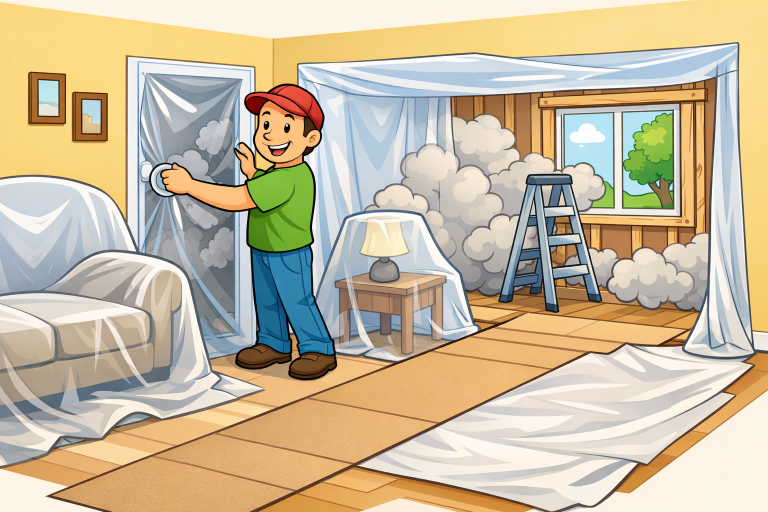
It may also help to set up a temporary entry and exit door for the renovation crew. This extra step can limit unnecessary foot traffic and make it easier to maintain a clean boundary between the work zone and the rest of your home.
Implement Daily Cleaning Routines
Taking a few minutes each day to clean will make the final post-renovation effort less overwhelming. Focus on these tasks:
- Vacuum Floors and Surfaces: Use a vacuum with a HEPA filter to catch fine particles. Run it across all floors, baseboards, and other horizontal surfaces.
- Dust Hard-to-Reach Areas: Shelves, mantels, window sills, and other nooks can collect dust quickly during renovations. Use a microfiber cloth for the best results.
- Wipe Counters and Tables: Clean visible surfaces daily with appropriate sprays or wipes to keep grit from accumulating and scratching finishes.
Protect Your Windows
During renovations, your new or existing windows can sustain damage from tools, falling debris, or stray paint. To avoid costly repairs or replacements, cover glass panes with protective film. This provides a buffer against scratches and paint splatters. For larger projects, attach plywood covers over windows, especially on lower floors, to ensure maximum safety while work is underway.
Window protection is a small investment of time and materials compared to the cost and inconvenience of fixing damaged glass. For more home improvement safety tips, check out resources on HGTV’s home improvement advice.
Maintain Indoor Air Quality
Construction dust can undermine your home's indoor air quality. To keep the air clean, prioritize ventilation whenever possible. Open windows on opposite sides of the home to encourage cross-ventilation, and use fans to help move dust and fumes outdoors. Air purifiers with HEPA filters are also effective at capturing airborne particles and can be especially useful if you have allergies or respiratory concerns.
Be sure to regularly replace HVAC filters throughout the renovation, as they tend to clog quickly with dust stirred up by construction. For detailed strategies, see The Spruce’s guide on improving indoor air quality during renovations.
Post-Renovation Cleaning
When construction wraps up, a comprehensive cleaning is a must. Start by deep cleaning any textiles, such as carpets, rugs, and upholstery, to remove embedded dust and allergens. Thoroughly washing windows will remove dust, smudges, and fingerprints from panes and frames, restoring their clarity and shine. Dust and wipe down all remaining surfaces, working from high to low to ensure any remaining dust falls before it is cleaned up for good.
Consider hiring professional cleaners if the dust load is particularly heavy, or if you prefer a deep clean to ensure a spotless finish throughout your living space.
Conclusion
Keeping your home clean during window renovations takes forethought and steady effort. By preparing each space in advance, sealing off renovation zones, carrying out daily cleaning routines, protecting your new investment, and paying attention to air quality, you will safeguard your home’s comfort and appearance. Post-renovation cleaning is just as important to eliminate the last traces of construction and let you enjoy your upgraded windows in a pristine environment. With the right strategies, you can minimize the disruption to your daily life and preserve your home's value and livability throughout the process.


0 Comments