
Table of Contents

- Sustainable Hardscaping
- Climate-Resilient Planting
- Foodscaping
- Multi-Functional Outdoor Spaces
- Smart Irrigation Systems
- Natural Materials and Textures
- Wildlife-Friendly Gardens
- Conclusion
As we move through 2026, homeowners and designers are embracing landscaping trends that prioritize sustainability, functionality, and aesthetic appeal. The demand for modern outdoor environments has driven innovative designs, transforming gardens and yards into eco-friendly, versatile havens. These trends not only beautify outdoor spaces but also contribute to environmental stewardship and community well-being. Homeowners looking to enhance their curb appeal and increase property value often turn to professional landscaping experts to bring these visions to life. From energy-saving solutions to wildlife-friendly oases, today’s landscaping approaches address both homeowners' immediate needs and the larger challenges posed by climate change. Whether you have a spacious backyard or a compact garden, adopting these trends can make your outdoors more inviting, functional, and sustainable for years to come.
Sustainable Hardscaping
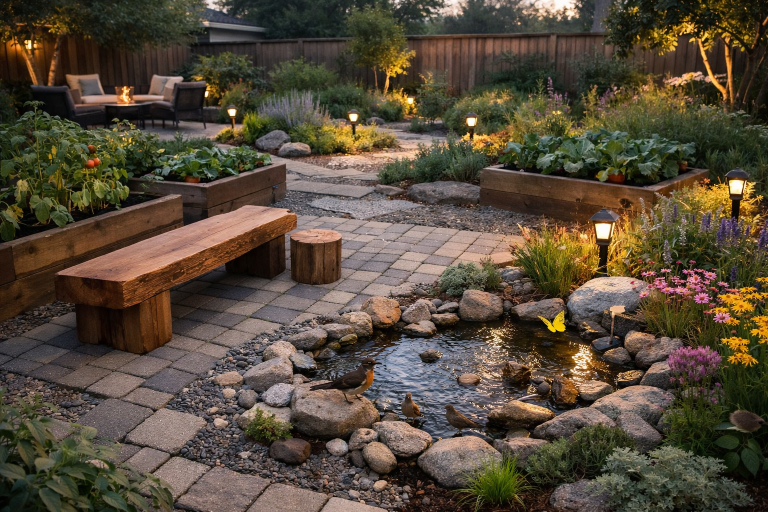
Replacing traditional hardscaping materials like concrete and asphalt with sustainable alternatives is gaining momentum. Permeable pavers, gravel, and recycled building materials are now a top choice for driveways, walkways, and patios. These solutions help reduce stormwater runoff, allow groundwater recharge, and mitigate urban heat island effects. Many cities are encouraging these approaches in their local landscaping regulations. For insights on eco-friendly landscaping practices in urban settings, see this article on Livingetc. Contemporary landscaping also includes integrating creative drainage solutions, such as rain gardens and bioswales, into hardscape spaces. These features not only enhance visual interest but also manage excess water more effectively, preventing erosion and flooding. Strategic placement of seating, garden sculptures, and outdoor lighting further elevates the ambiance while making the environment more usable after sunset. With sustainability as a hallmark, homeowners are increasingly drawn to regionally sourced materials and upcycled finishes, reducing carbon footprint and supporting local economies.
Climate-Resilient Planting
Increasing climate fluctuations have made it essential to select plants that are robust and require minimal inputs. Drought-tolerant species such as lavender, sedum, and ornamental grasses are not only visually appealing but also need far less water than traditional lawns or gardens. Incorporating native plants into landscapes also supports local biodiversity and reduces the chance of pest infestations, aligning with sustainable gardening principles highlighted by authoritative sources. Layered planting techniques, such as combining ground covers, understory shrubs, and taller trees, improve resilience by mimicking natural ecosystems. This approach optimizes microclimates, encourages rainwater retention, and mediates temperature extremes. These thoughtful strategies not only safeguard gardens against unpredictable weather but also create more visually dynamic, seasonally engaging outdoor spaces year-round.
Foodscaping
The growing trend of foodscaping combines ornamental aesthetics with practical abundance. Integrating fruit trees, edible herbs, and vegetable patches alongside flowering plants adds both beauty and utility. Homeowners are increasingly cultivating their own produce, which saves money, increases self-sufficiency, and reduces the environmental impact associated with food transportation. Edible landscapes are particularly appealing for families interested in organic gardening and healthier lifestyles. Developments in compact and vertical gardening allow even those with limited space to participate in foodscaping. Trellised vines, raised garden beds, and container gardens are creative ways to maximize productivity in small yards or patios. Many gardens now feature perennial edibles such as asparagus, rhubarb, and berry bushes, which provide multi-year harvests and reduce annual labor.
Multi-Functional Outdoor Spaces
Yards are transforming into dynamic extensions of the home, serving functions from relaxation to entertainment and work. Popular features include outdoor kitchens equipped with grills and prep spaces, fire pits for year-round enjoyment, and comfortable shaded seating areas. Adaptable layouts and modular furniture provide flexibility for gatherings or solo activities, reflecting the growing demand for outdoor rooms that support diverse lifestyles and interests. Enhanced privacy solutions, such as decorative screens and living walls, enable homeowners to create distinct zones for socializing or quiet retreat. Integrating tech-friendly features such as weatherproof speakers, Wi-Fi boosters, and outdoor charging stations enhances functionality. It ensures these versatile spaces cater to both everyday needs and special occasions, regardless of the season.
Smart Irrigation Systems
Technological advancements are driving the adoption of smart irrigation solutions. Systems now use real-time weather data and soil moisture sensors to adjust watering schedules, promoting more efficient water use automatically. These innovations are especially valuable for regions experiencing water shortages or restrictions, empowering homeowners to maintain lush landscapes while actively conserving resources. Smart irrigation apps let users monitor and adjust settings remotely, leveraging cloud technology for maximum convenience. These systems can even give alerts about potential leaks, making landscape maintenance proactive and data-driven. Rainwater harvesting innovations, often integrated with irrigation controls, further expand water management options and support eco-friendly gardening practices.
Natural Materials and Textures
Designers are incorporating natural materials such as stone, wood, and gravel to create organic, visually harmonious environments. These elements blend seamlessly with the outdoors, introducing a range of textures that add depth and tactile interest. The move toward earth-toned palettes and sustainable materials underscores a desire for authenticity and sustainability in outdoor design, encouraging relaxation and a sense of connection to nature. Increasingly, reclaimed wood, raw stone edges, and rugged boulders are used to give gardens a timeless character with reduced environmental impact. Mixing hard and soft textures by pairing flowering beds with pebble walkways or combining sleek surfaces with rough-hewn planters brings a modern yet grounded sensibility to evolving landscape styles.
Wildlife-Friendly Gardens
Attracting and supporting wildlife is a growing priority. Gardeners are planting native species, installing bird feeders, and creating small water features or butterfly habitats to welcome pollinators and beneficial insects. These practices enrich local biodiversity, providing vital habitats for birds, bees, and butterflies, and fostering healthier ecosystems overall. Wildlife-friendly landscaping is recognized as an effective way to counter environmental fragmentation and is encouraged by organizations such as the National Wildlife Federation. To further nurture wildlife, many gardens now feature log piles, bee hotels, and undisturbed ground areas that offer sanctuary to various species. Reducing chemical use and promoting organic gardening create safer landscapes for pets and people as well. These intentional efforts foster robust mini-ecosystems, connecting people with nature and inspiring stewardship in their own backyard.
Conclusion
The landscaping trends shaping 2026 reflect a shared commitment to sustainability, multipurpose design, and embracing the beauty of nature. By integrating these approaches, homeowners can create stunning, practical landscapes that benefit both themselves and the environment. Embracing these dynamic trends ensures outdoor spaces remain welcoming retreats for years to come. As sustainable landscaping continues to evolve through innovation and eco-conscious choices, these emerging trends serve as inspiration for anyone looking to enhance their property and contribute to a greener planet. Whether you embark on a large-scale redesign or make incremental upgrades, even small changes, such as adding a pollinator patch or installing a smart drip irrigation system, can make a meaningful difference. By working with experienced landscaping professionals and staying informed about the latest advances, homeowners can realize outdoor environments that are as resilient as they are beautiful, perfectly suited to the evolving needs of modern living.


0 Comments