Key Takeaways
- Advancements in CNC plastics machining are enabling the production of complex, high-precision components across various industries.
- Emerging materials and techniques are enhancing the performance and sustainability of plastic parts.
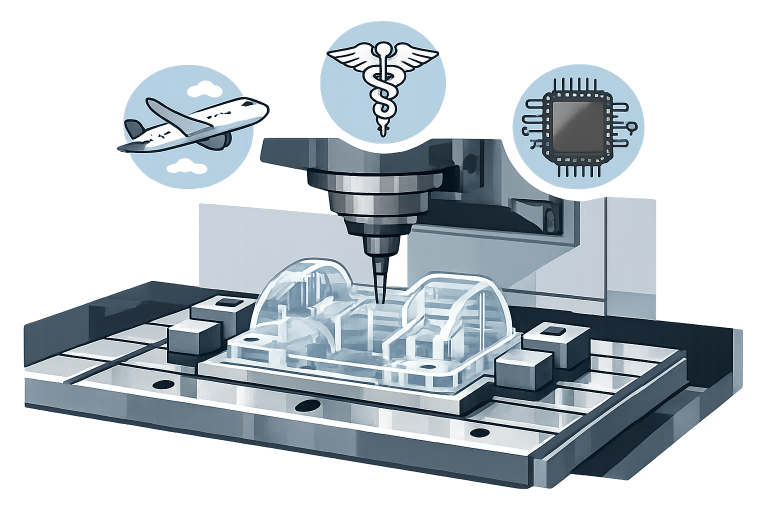
- Industries such as aerospace, medical, and electronics are increasingly adopting CNC-machined plastic components for their unique advantages.
Introduction
Modern manufacturing is undergoing rapid transformation as CNC plastics machining advances with new technologies and materials. The process of precisely crafting plastic components with computer-controlled equipment has become a vital driver of innovation, especially in industries where precision and customization are essential to performance and efficiency.
With manufacturers leveraging advanced CNC machinery, it is possible to achieve geometries and tolerances once considered impossible in plastics. As a result, numerous sectors, including aerospace, medical, electronics, and industrial automation, are turning to CNC-machined plastics to meet a growing range of highly specialized needs.
Advancements in CNC Plastics Machining
Recent years have seen significant advancements in CNC plastics machining, expanding the precision, repeatability, and versatility of plastic parts production. Multi-axis CNC machining centers enable the crafting of components with intricate shapes and fine tolerances, meeting the accuracy demands of advanced technologies. For instance, aerospace and medical segments require parts with consistent dimensions and flawless finishes, which these new machining systems can reliably produce.
The latest generation of CNC equipment also supports a wider array of engineering plastics. The introduction of high-strength, lightweight materials such as reinforced PEEK and Ultem enables manufacturers to produce parts that rival, and in some cases surpass, metals in terms of strength-to-weight ratio and resistance to extreme conditions. As these machines become more sophisticated, manufacturers are developing ever-more tailored solutions that enhance product value and performance.
As the push for efficiency and customization grows, downstream industries are increasingly focused on integrating advanced CNC plastics-machining capabilities into their value chains. To explore more detailed industry uses and benefits, you may want to review additional resources such as this article from McKinsey & Company.
Emerging Materials and Techniques
In addition to equipment improvements, advancements in materials science are playing a crucial role in the evolution of CNC plastics machining. In demanding fields such as aerospace and electronics, materials such as glass-filled PEEK and high-temperature blends offer unique characteristics. These plastics provide exceptional dimensional stability under thermal stress and resistance to chemical and environmental factors, making them ideal for challenging environments.
However, working with these materials introduces new complexities. For example, machining reinforced PEEK requires lower feed rates and specialized tooling to mitigate excessive tool wear and manage abrasive dust emissions. Likewise, high-performance plastics like PPS and Ultem need careful programming to avoid chip melting or chipping at feature edges. Improved cooling strategies, adaptive toolpaths, and upgraded tooling are becoming standard for successful CNC operations involving advanced polymers.
Applications Across Industries
Today, CNC-machined plastic components are vital to a diverse array of applications:
- Industrial Equipment & Automation: Precision-machined plastic bushings, sliders, and wear pads provide low friction and electrical insulation, increasing reliability and reducing maintenance costs in automated production systems.
- Electronics & Electrical Enclosures: The design freedom of plastics allows manufacturers to create complex housings and connector brackets with built-in insulation, perfectly suited for modern electronics with compact, high-density layouts.
- Medical & Laboratory Equipment: Materials such as PEEK and PTFE are essential for medical and laboratory systems where biocompatibility and ease of sterilization are critical. Their use in diagnostic tools, surgical devices, and sample handling equipment is increasing rapidly.
- Aerospace & Transportation Prototyping: Lightweight, vibration-damping plastic brackets and cable management solutions offer cost-effective pathways for aerospace engineers to improve efficiency and minimize the weight of prototypes and end-use parts.
- Custom Jigs, Fixtures & Manufacturing Aids: Plastics are preferred for manufacturing setups due to their gentle handling of finished surfaces and lower costs for iterative prototyping, enabling faster time-to-market.
Environmental Considerations
Environmental responsibility is an increasingly important aspect for manufacturers using CNC plastics machining. Optimized machine programming and updated tool paths help reduce scrap rates and boost yield, preserving resources and minimizing landfill-bound waste. Additionally, advances in the formulation of recyclable, bio-based engineering plastics enable companies to offer high-performance parts that align with sustainability targets, an approach highlighted in emerging industry reports such as those from McKinsey & Company.
Challenges and Solutions
Despite the considerable benefits, manufacturers face challenges in advanced CNC plastics machining, including frequent tool wear, thermal deformation risks, and chip management issues. To address these concerns, the use of adaptive and intelligent machining routines is on the rise. Carefully selected cutter materials, optimized spindle speeds, and advanced cooling strategies help protect both the part and the tool. By regularly refining the programming and adopting readily available innovations, shops ensure peak quality and cost control even with complex, high-performance plastics.
Future Outlook
The evolution of CNC plastics machining is far from slowing down. As artificial intelligence and machine learning are incorporated into machining processes, manufacturers will gain predictive control and continuous optimization, further increasing accuracy and efficiency. Moreover, ongoing research into new polymer blends and machining techniques will unlock even more opportunities for lightweight, high-performance, and durable plastic components, making CNC machining a key enabler of technical progress across sectors.
Conclusion
The transformation of CNC plastics machining technology is creating a ripple effect through every industry that relies on advanced components. By embracing new equipment, innovative materials, and sustainable practices, manufacturers are positioned to deliver parts that define the future of engineering and product development. As these trends accelerate, the use of CNC-machined plastic parts will continue expanding, setting new benchmarks for what is possible in modern manufacturing.


0 Comments