
Table of Contents
- Install Smoke Alarms
- Maintain Electrical Systems
- Practice Safe Cooking
- Use Heating Equipment Safely
- Store Flammable Materials Properly
- Develop a Fire Escape Plan
- Educate Family Members
- Regularly Inspect and Maintain Fire Safety Equipment
Home fires are a leading cause of property loss and can have devastating impacts on families. Taking practical steps to prevent fires is critical for the safety of everyone who lives in your home. Whether you are moving into a new place or simply want to improve your current safety procedures, following best practices can help minimize the risk of a severe incident. For homeowners who have already experienced fire damage, professional Fire Damage Restoration services can help restore your property and bring peace of mind during recovery.
Preventing home fires involves a combination of proactive planning, regular maintenance, and family education. From installing the right alarms to knowing how to safely store dangerous materials, these precautions are essential for protecting both people and property. By following a structured approach, you can reduce the likelihood of fire hazards in your living space and ensure everyone's well-being for years to come.
Install Smoke Alarms
Smoke alarms are indispensable for early detection and prevention of deadly home fires. Install smoke alarms in every bedroom, outside each sleeping area, and on every level of the house, including the basement. Monthly testing of all units and annual battery changes will keep alarms functioning when you need them most. Interconnected smoke alarms offer extra protection by sounding all alarms simultaneously if smoke is detected anywhere in the home. The National Fire Protection Association provides valuable guidelines on proper alarm installation and maintenance.
Maintain Electrical Systems
Faulty or aging electrical systems remain a top cause of home fires. To prevent danger, schedule a thorough inspection by a licensed electrician, especially if your home is over two decades old. Never overload outlets, and do not use extension cords for extended periods. Always unplug appliances and devices that generate heat when not in use. Regular vigilance will help spot potential risks before they escalate into emergencies.
Practice Safe Cooking
Cooking fires are one of the most common sources of household fires and often start when attention is diverted. Never leave the kitchen while grilling, frying, or broiling food. Clear stovetops of anything flammable, such as towels or paper products, and keep pot handles turned inward to reduce accidental spills. Keep an ABC-rated fire extinguisher within reach of the cooking area and know how to use it in case of emergency.
Use Heating Equipment Safely
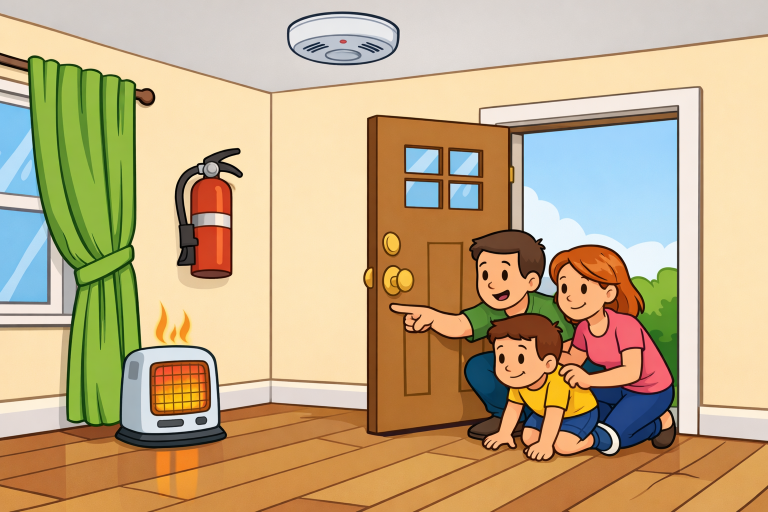
Space heaters and fireplaces are especially risky during colder months. Keep space heaters at least three feet away from anything that could ignite, including curtains, bedding, and clothing. Turn off heaters before leaving any room or going to bed. If you use a fireplace, ensure it and the chimney are inspected and cleaned yearly by a qualified professional. Always use a protective screen to catch sparks and prevent them from escaping into the room.
Store Flammable Materials Properly
Many common household products, such as paint thinner, gasoline, and certain cleaning supplies, are highly flammable. Store these in their approved, sealed containers and keep them away from living spaces in a well-ventilated area, ideally outside your home. Oily rags should be disposed of according to local regulations, as improper storage can lead to spontaneous combustion, even without a direct heat source.
Develop a Fire Escape Plan
Preparation is key to surviving a house fire. Create a detailed fire escape plan that identifies two exits for every room and a safe outdoor meeting spot. Practice this plan with every member of the household at least twice a year, including at night when awareness may be dulled. Make sure everyone understands how to contact emergency services quickly.
Educate Family Members
Fire safety is most effective as a shared responsibility. Teach children about the dangers associated with matches, lighters, and unattended cooking. Make sure everyone in the family can find exits even in the dark and knows how to dial emergency numbers. Regular conversations and drills reinforce the knowledge and skills that can save lives during an emergency.
Regularly Inspect and Maintain Fire Safety Equipment
Your safety equipment is only useful if it works correctly. Test fire extinguishers every month, replace or recharge them according to the manufacturer's instructions, and know where each is located in your home. Smoke alarms and carbon monoxide detectors should also be inspected frequently and replaced at least every ten years, whether or not they appear to be working.
Effective fire prevention requires diligence, preparation, and education for everyone in your home. With these strategies in place, you can rest easier knowing you have minimized the risk of home fires while safeguarding your family and property.


0 Comments