
Key Takeaways
- Utilizing synthetic ice panels enables year-round skating without the need for freezing temperatures.
- Selecting an appropriate location and ensuring proper installation are crucial for a successful home rink.
- Regular maintenance and safety measures enhance the longevity and enjoyment of the rink.
Table of Contents
- Choosing the Right Synthetic Ice
- Selecting the Ideal Location
- Installation Tips
- Maintenance and Care
- Safety Considerations
- Enhancing the Skating Experience
- Benefits of a Home Skating Rink
- Conclusion
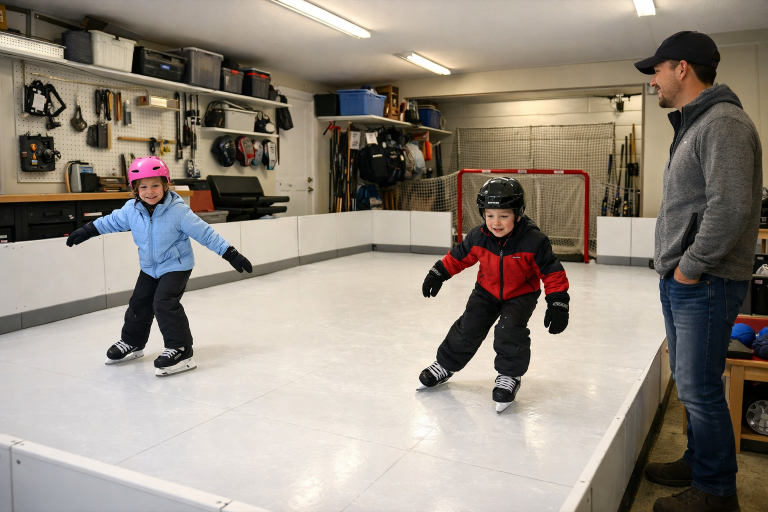
Transforming your home into a personal skating haven is more achievable than ever, enabling enthusiasts to enjoy ice sports year-round. Thanks to solutions such as KwikRink synthetic ice, families and athletes alike can skate indoors or outdoors without needing sub-zero temperatures or regular resurfacing. With thoughtful planning and a focus on quality, anyone can craft a reliable area for figure skating, hockey, or recreational exercise right at home. By understanding the latest advances in synthetic ice panels and following best practices for installation and maintenance, you can ensure an optimal skating experience year-round. The process begins by considering the available space in your home and ends with regular maintenance to keep your rink in top shape. Whether you are looking for a convenient practice area or a fun way to stay active, setting up a home skating rink offers lasting benefits. A home rink frees you from the constraints of public facilities, gives you more control over your schedule, and makes it easy to practice whenever the mood strikes. When designed with safety and usability in mind, synthetic ice rinks deliver smooth, lasting performance suitable for beginner and advanced skaters alike. Moreover, creating your own skating area provides a family-friendly activity that can encourage everyone in the household to spend more time moving and bonding. With careful setup and the right equipment, you can achieve a high-quality, professional-like surface that lasts for years to come.
Choosing the Right Synthetic Ice
Synthetic ice technology now provides a skating surface that mimics the feel of real ice remarkably well. Premium panels are made from dense polyethylene or proprietary polymers that are engineered to deliver a smooth glide, support rigorous activity, and withstand frequent use. When evaluating panels, consider the thickness (thicker panels tend to last longer), whether they are self-lubricating or require glide enhancers, and how securely their locking mechanisms hold the sheets together during skating sessions. Choose brands with a proven track record, and check for certifications or positive reviews from other skaters. Investing in quality upfront ensures better performance and fewer headaches down the line.
Selecting the Ideal Location
The choice of where to place your synthetic ice rink shapes the overall convenience and usability of your setup. The most common spots in homes include:
- Garage: The sheltered environment keeps your rink dry and protected from harsh sunlight, making it a practical choice for year-round use.
- Basement: An indoor solution that is always available, provided you have adequate clearance and air flow to disperse humidity during workouts.
- Backyard: Outdoor rinks offer more space, are ideal for larger gatherings, and can be designed to accommodate sporting nets or other accessories. Choose weather-resistant materials for durability. The location must be flat, clean, and free from debris or obstacles that could interrupt or damage the skating surface.
Installation Tips
For your synthetic ice rink to perform well, meticulous installation is required. Carefully prepare the base by sweeping and confirming the surface is level. Synthetic panels lock together, typically using tongue-and-groove or dovetail designs to prevent seams from separating. Be sure to follow your manufacturer's specific assembly instructions for stability and smoothness. Installing a perimeter border of boards or protective bumpers prevents pucks or practice equipment from leaving the rink. It also acts as a safety barrier for accidental falls.
Maintenance and Care
Keeping your new skating surface in prime condition is straightforward with regular care:
- Cleaning: Sweep the entire rink surface often and mop gently with a mild, non-abrasive cleaner. Avoid harsh chemicals that might damage the material.
- Inspection: Check occasionally for panel separation, warping, or other issues. Address any problems immediately to prolong your rink's life.
- Lubrication: For surfaces that require it, use only recommended glide enhancers per the manufacturer’s instructions to maintain realistic ice feel and prolong the panels’ lifespan.
Consistent maintenance not only helps panels last longer, but also keeps skating performance safe and enjoyable for all users.
Safety Considerations
Safety should always come first, particularly when children or less experienced skaters are using the rink. Helmets, knee pads, and elbow pads are essential for anyone skating on synthetic ice. Use skates intended for synthetic surfaces as their blades are designed to minimize chipping and ensure a secure footing. Supervision is important anytime children are on the rink to help prevent accidents and ensure proper technique. For more home safety tips when playing sports indoors, the American Academy of Pediatrics provides detailed safety guidelines at HealthyChildren.org.
Enhancing the Skating Experience
To fully enjoy and make the most of your home rink, simple upgrades can transform a plain surface into a dynamic training environment or recreational oasis. Install bright, adjustable lighting so evening skating exercisers can see clearly. Add hockey goals, practice cones, or other training aids to introduce variety and new challenges to practice sessions. Further improve the atmosphere by adding music or a small seating area for friends and family to watch comfortably.
Benefits of a Home Skating Rink
Building your own rink delivers major advantages beyond convenience:
- Convenience: No more coordinating around public facility schedules or seasonal closures. Skate whenever you choose.
- Skill Development: Frequent, private practice accelerates improvement and allows focused repetition on technical skills.
- Family Bonding: A home skating surface draws the whole family together for healthy activity, teamwork, and memorable fun.
Research highlighted by The New York Times shows that consistent home practice can even enhance athletic performance compared to less frequent outings to public rinks.
Conclusion
Establishing a year-round skating experience at home is a meaningful project that lets you enjoy ice sports regardless of external conditions. By investing in high-quality panels, carefully preparing your chosen area, and maintaining the surface, your home can become a reliable and enjoyable destination for skating, exercise, and fun for years to come.


0 Comments