
Key Takeaways
- Immediate action is crucial to minimize water damage and prevent mold growth.
- Ensure personal safety before addressing water damage.
- Identify and stop the water source promptly.
- Document the damage for insurance purposes.
- Begin the drying process as soon as possible.
- Consult professionals for extensive damage or contamination.
Table of Contents
- Safety First
- Stop the Water Source
- Document the Damage
- Remove Standing Water
- Dry the Affected Areas
- Prevent Mold Growth
- Consult Professionals
- Review Your Insurance Policy
Water damage can strike unexpectedly and can compromise your home’s structure and valuables within hours. Knowing exactly what to do next not only reduces repairs and health hazards but also streamlines your recovery. If you are experiencing water intrusion, prompt restoration is critical to prevent a bad situation from worsening.
Regardless of the type of water emergency, following the right steps will help protect your safety, your home, and even your wallet. This guide outlines immediate actions to take and explains when to call in experts so that you can restore your home with confidence after a water emergency. Working quickly will also help avoid secondary problems like mold growth and structural concerns.
Before tackling water damage, remember that safety always comes first. Hazards can include not only slippery surfaces but also electrical hazards or structural instability, depending on the extent of flooding or saturation. According to the American Red Cross, it’s important to check for safety risks before entering and to stop the water source as soon as possible to prevent further damage.
Once the area is secure, your next job is to act quickly. The faster you begin drying out, the less likely you’ll experience permanent structural damage or long-term health risks due to bacteria or mold. Waiting even a single day can significantly increase costs and delays.
Safety First
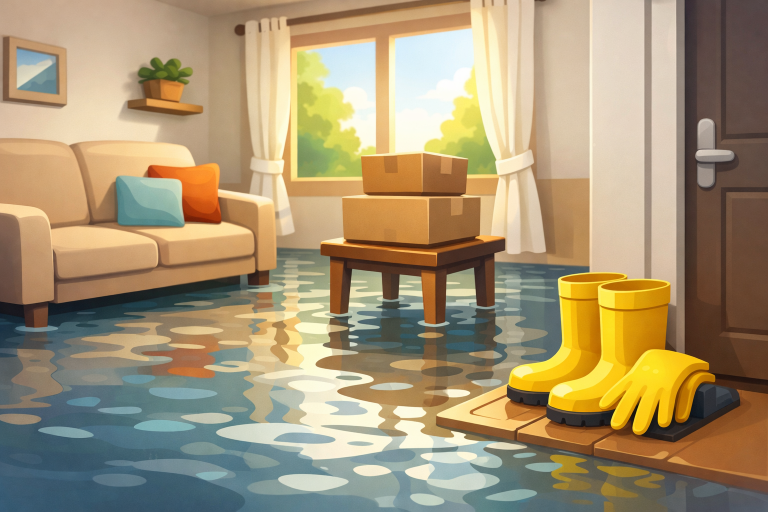
Above all, address safety before you do anything else. Do not walk through water if there is a risk of electrical current, or if you notice sagging floors or ceilings, which can indicate structural hazards. Turn off the power supply at the circuit breaker for affected areas if it is safe to do so, and avoid using electrical appliances until you are certain all areas are dry. Wearing rubber boots, gloves, and a mask can help protect against contaminants commonly found in water-damaged areas.
Stop the Water Source
Quickly finding and halting the source of water intrusion is your next step. If it’s a burst pipe or leaking appliance, shut off the water at the main valve, which is often located near your water meter or where the main line enters the home. For roof or window leaks during a storm, use a tarp or waterproof sheeting as a temporary fix. In the event of flooding from outside, your priority is to get family and valuables to higher ground and wait until the waters recede before beginning repairs or cleanup.
Document the Damage
Carefully document all damage before cleaning up. This step will be critical for insurance claims and for future repair records. Take comprehensive photographs and videos of every room, damaged objects, and structural problems. Don't throw anything away until your insurer has a chance to review. Maintain an inventory of affected items, including make, model, and, where possible, serial numbers.
Remove Standing Water
The most urgent physical step is to remove any standing water. For small pools, absorb the water with towels or mops. For larger volumes, a wet-dry vacuum is ideal. Never use a standard household vacuum, as water can ruin the device and create further risk of electrical shock. Depending on the depth, buckets or a sump pump might also be needed for more severe flooding.
Dry the Affected Areas
After eliminating most of the water, begin drying the space aggressively. Open windows and doors to boost airflow when outdoor humidity is low, or use fans and dehumidifiers to draw moisture out. Move wet items into bright, airy spaces to dry. For carpeting, you may need to lift or remove it to allow the subfloor to dry. Keep an eye on humidity and check for lingering dampness, as these can foster mold growth or rot over time. Consumer Reports offers helpful tips on drying out homes after floods.
Prevent Mold Growth
Mold spores can start to grow within a day or two in damp, warm environments. After drying, clean all hard surfaces with soap and water, then disinfect them. Remove and dispose of materials that cannot be thoroughly sanitized, such as saturated drywall, insulation, and carpets. Even after these efforts, keep monitoring the area for persistent odors or visible mold, common trouble signs that further action is needed.
Consult Professionals
Water from sewage backups, contaminated floodwater, or disasters often harbors dangerous bacteria, requiring professional help. Restoration specialists have industrial-grade equipment to remove water, dry structures, salvage belongings, and sanitize affected spaces. They can also identify hidden damage and guide repairs or mold remediation, ensuring your home remains safe in the long term.
Review Your Insurance Policy
Finally, go over your homeowner’s insurance policy thoroughly; some types of water damage, such as flooding, are often excluded without special coverage. As you file a claim, provide your documentation and work with your agent to understand your options for repair or rebuilding. For future protection, you may want to add an endorsement or purchase separate flood insurance by contacting your provider or visiting FloodSmart.gov.
Addressing water damage immediately protects your health, limits costs, and preserves your property. With the right steps and resources, you can overcome the aftermath more effectively and restore peace of mind for your family and your home.


0 Comments