 Key Takeaways

- Match plants to the sun, soil, moisture, and available space in the yard.
- Reduce turf where grass struggles or is difficult to mow.
- Group plants with similar water needs to simplify irrigation.
- Use mulch, edging, and paths to reduce repeated hand work.
- Address drainage before installing new plants, sod, or hardscape.
- Plan a routine that can actually be maintained after storms and through changing seasons.
Florida yards can look lush without requiring constant mowing, watering, pruning, and cleanup. The key is to design around the property's actual conditions rather than trying to force a high-maintenance look into difficult soil, shade, heat, or drainage conditions. Homeowners considering Landscape Design Ocala services can start by identifying which parts of the yard need a practical solution most. A lower-maintenance landscape is not a maintenance-free landscape. It is a yard with fewer avoidable problems, better plant placement, clearer borders, useful outdoor surfaces, and a realistic care routine that fits Florida's long growing season.
Why Florida Yards Need A Different Plan
Florida landscapes face intense sun, humidity, sandy soil in many areas, heavy rain, and fast plant growth. A shrub that looks manageable at the nursery can quickly crowd a walkway, block an air-conditioning unit, or require frequent trimming when it is planted too close to a structure. Standing water, fading turf, thin plant beds, and recurring weeds are usually signs that the yard needs a better plan, not simply more products.
1. Start With A Simple Yard Audit
Before buying anything, observe the property. Mark areas with full sun, partial shade, and deep shade. After a heavy rain, note where water pools and where downspouts empty. Check which lawn areas stay thin, which spaces receive heavy foot traffic, and where pets, children, or guests spend time. Finally, decide honestly how much weekly yard work is realistic. This audit prevents expensive changes that solve the wrong problem.
2. Choose Florida-Friendly Plants
Low-maintenance planting begins with the right plant in the right place. Choose options based on mature height and width, not their current container size. Consider light levels, soil moisture, root space, and nearby walls, utilities, and walkways. The University of Florida's guidance on choosing the right plants for the right place reinforces the idea that site-matched selections generally require less irrigation, replacement, fertilizer, and pruning once established. Native plants can be excellent choices, but they are not automatically right for every location. Well-adapted, noninvasive plants can also be effective when their growth requirements match the site. Keep each bed simple by repeating a few dependable plant types rather than mixing many species with varying care requirements.
3. Reduce Turf In The Right Places
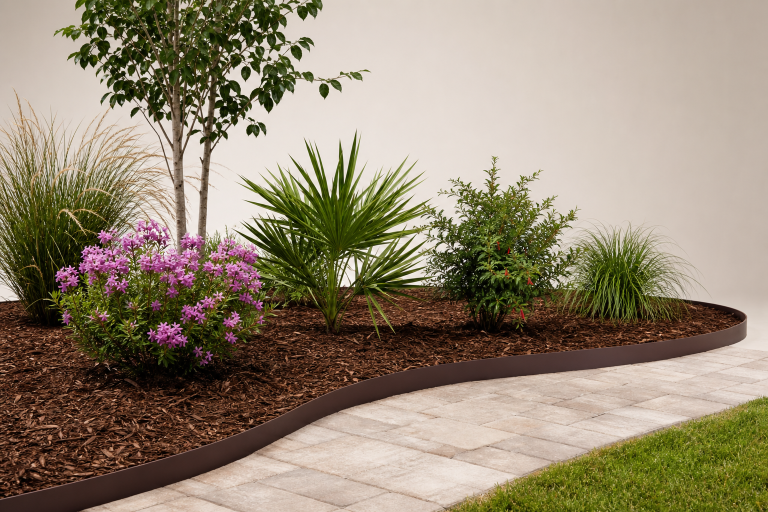
Keep grass where it serves a clear purpose, such as open play areas, pet zones, or paths between outdoor spaces. Replace narrow strips beside fences, shaded corners, and awkward slopes with mulch, ground covers, shrubs, or pavers. Planting beds can also soften lawn corners and reduce the need for trimming around trees. Remember that new ground covers and replacement plants still need watering and weeding while they establish.
4. Group Plants By Water Needs
Hydrozoning means placing plants with similar water needs together. Put drought-tolerant plants in dry, sunny locations and moisture-loving plants in areas where the soil stays consistently damp. Turf should usually have its own irrigation zone because it often needs different watering than established shrubs. Adjust irrigation based on rainfall and season rather than relying on a single fixed schedule year-round.
5. Use Mulch To Cut Down On Weeds
Mulch helps shade the soil, retain moisture, and slow weed growth. It also gives planting beds a cleaner appearance between maintenance visits. Remove large weeds first, check the existing mulch depth, then add a thin and even layer where needed. Keep mulch away from tree trunks, shrub stems, house vents, walls, and drainage openings to prevent moisture and pests from becoming problems.
6. Plan For Drainage Before Planting
Do not cover drainage problems with new sod or decorative stone. Check for puddles near the foundation, downspouts dumping water into beds, eroded soil, and areas that stay muddy after rain. Suitable solutions may include grading, swales, rain gardens, or drainage features, depending on the property. When planning a rain garden, use areas where water already collects while ensuring that runoff flows away from the home. Never redirect water toward a neighbor's property.
7. Add Clear Borders And Easy-Mow Edges
Defined bed edges reduce the need to pull grass from mulch repeatedly. Metal edging, brick, stone, and flush pavers can all work when installed securely. Favor smooth curves and simple lines that are easy to mow or trim around. Small details, such as eliminating tight corners, can save time every week.
8. Use Hardscape Where It Solves A Problem
Hardscape should make the yard easier to use. A path can prevent worn turf and muddy shortcuts. A patio or seating area should be placed where people naturally gather. Choose surfaces with stable footing in wet weather, and leave space for drainage, cleaning, repairs, and plant growth. Avoid covering every open area, since unnecessary hardscape can increase heat and runoff.
9. Install Efficient Lighting
Low-voltage lighting can improve safety along paths, steps, gates, and entrances. Use a small number of well-positioned fixtures rather than creating glare across the entire yard. Timers or smart controls help prevent lights from running all night. Inspect wiring, wet-location connections, and damaged fixtures regularly.
10. Choose A Maintenance Routine You Can Follow
- Weekly: Pull visible weeds, check irrigation, and clear paths or drains.
- Monthly: Inspect mulch, trim fast-growing plants, and test outdoor lighting.
- Seasonally: Review drainage, clean beds, adjust watering, and inspect trees.
- After storms: Remove debris, check for broken limbs, blocked drains, loose edging, and standing water.
Common Mistakes That Raise Maintenance Costs
- Overplanting a small bed for an instant full look.
- Ignoring mature plant size and root spread.
- Installing turf in deep shade or persistently wet ground.
- Placing shrubs against walls, fences, or mechanical equipment.
- Mixing plants with very different irrigation needs.
- Adding drainage features without planning where water will exit.
Questions To Ask Before Starting A Project
- Which parts of the yard are used most often?
- Where does water travel during heavy rain?
- Which areas receive harsh afternoon sun?
- Will mature plants block windows, paths, or equipment?
- Does the irrigation system serve each zone properly?
- Are utility checks, permits, or local drainage rules required?
When To Call For Professional Help
Professional input is especially valuable for grading, drainage, major tree work, electrical installation, complex irrigation, and large hardscape projects. Prepare photos, rough measurements, a wish list, and a budget range before requesting an estimate. Good planning can prevent water damage, unsafe installations, plant loss, and costly rework.
Final Checklist For A Lower-Maintenance Yard
- Plants match the site and have room to mature.
- Water drains safely away from structures.
- Grass is used only where it performs well.
- Plant beds have clear edges and even mulch coverage.
- Irrigation zones match plant water needs.
- Paths and outdoor areas are easy to access and maintain.
- The care routine fits the homeowner's schedule.
Conclusion
A low-maintenance Florida yard starts with smart choices before installation begins. Site-appropriate plants, practical drainage, reduced turf, simple edges, useful hardscape, and efficient watering can create an attractive landscape with less routine work. The best design is not the most complicated one. It is the one that fits the climate, property, and lifestyle. Consider sun exposure, soil conditions, seasonal rainfall, and how much time you realistically want to spend mowing, pruning, watering, and cleaning. Grouping plants with similar water needs can simplify irrigation, while mulch and well-planned ground cover can help manage weeds and moisture. Durable pathways and defined planting areas can also reduce the need for trimming around obstacles. With thoughtful planning, a Florida landscape can remain inviting through changing weather while requiring fewer constant adjustments. The result is a yard that looks intentional, functions well, and gives homeowners more time to enjoy the outdoor space.


0 Comments