 Table of Contents

- Why Small Plumbing Problems Matter
- Early Warning Signs to Watch
- How to Find Hidden Leaks
- Drain and Sewer Warning Signs
- Water Heater Clues You Should Not Ignore
- Toilet, Faucet, and Fixture Checks
- Extra Checks for Older Homes
- What to Do During a Plumbing Emergency
- A Simple Plumbing Maintenance Plan
- When to Call a Licensed Professional
Small plumbing problems rarely stay small for long. A slow drip beneath a sink can warp cabinet flooring, a running toilet can increase daily water use, and a neglected drain issue can cause a messy backup. Knowing what to watch for helps homeowners respond before a minor repair turns into extensive water damage.
For homeowners in Middle Tennessee, On-Time Plumbing can help diagnose concerns involving leaks, aging pipes, clogged drains, water heaters, toilets, water lines, and sewer systems. The important first step, however, is noticing the warning signs early and knowing which ones require prompt attention.
Why Small Plumbing Problems Matter
Plumbing systems are mostly hidden behind walls, under floors, and inside cabinets. That means a small symptom can continue unnoticed while moisture damages drywall, wood, insulation, or stored belongings. Early action does not always mean a major repair. It may be as simple as replacing a worn washer, tightening a fitting, clearing buildup, or scheduling an inspection before the problem spreads.
Early Warning Signs to Watch
Pay attention when you. In contrast,e shows changes without an obvious explanation. One symptom can have several causes, so it is helpful to look for patterns rather than assume every issue has the same source.
- Water stains on ceilings, walls, cabinets, or flooring
- Musty odors near sinks, bathrooms, laundry areas, or crawl spaces
- An unexplained rise in water use or monthly bills
- Low water pressure at several fixtures
- Cloudy, rusty, or unusual-smelling water
- Slow drains, gurgling sounds, or recurring clogs
- Water pooling near appliances, outdoor spigots, or exposed lines
For example, low pressure at one faucet could be a clogged aerator, while low pressure throughout the house may point to mineral buildup, a pressure regulator issue, or a damaged supply line.
How to Find Hidden Leaks
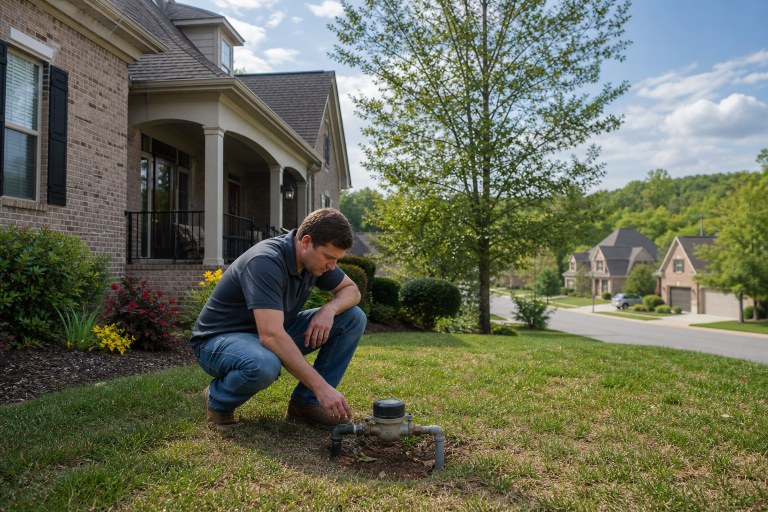
A basic leak check can reveal trouble before water becomes visible. Turn off faucets, ice makers, irrigation, and water-using appliances for a short period. Then check the water meter. If the meter continues moving despite no water use, there may be a leak somewhere in the system.
- Look beneath sinks and around shut-off valves for moisture or corrosion.
- Inspect supply hoses behind toilets, dishwashers, and washing machines.
- Check ceilings below bathrooms and laundry rooms.
- Feel for soft flooring, damp drywall, or swollen cabinet materials.
- Inspect outdoor spigots and visible water lines for drips.
- Compare water bills from month to month for unusual changes.
Water-efficient homes should be free of leaks, and the EPA WaterSense program's home maintenance guidance can help households reduce avoidable water and energy waste.
Drain and Sewer Warning Signs
A single slow kitchen sink may be caused by grease or food buildup near that fixture. Several slow drains, however, can indicate a larger blockage, a venting problem, or a developing issue with the main sewer line. Watch for water rising in the tub when a toilet flushes, repeated clogs, sewage odors, gurgling drains, or wet patches and unusually lush growth near underground lines.
Avoid repeatedly pouring chemical drain cleaners into a stubborn clog. They may provide short-lived relief without removing the underlying obstruction, and their corrosive contents can create safety concerns during future repairs.
Water Heater Clues You Should Not Ignore
Check the area around your water heater regularly. Inconsistent hot water, rusty water, popping or rumbling noises, corrosion around connections, a damp floor, or a puddle near the tank all deserve attention. Sediment can accumulate in tank-style units, reducing performance over time. Do not attempt gas control, electrical panel, or major pressure-relief work unless you are qualified to do so.
Toilet, Faucet, and Fixture Checks
Small fixture issues can waste water around the clock. Test toilets by placing a few drops of food coloring in the tank and waiting several minutes without flushing. If color appears in the bowl, the flapper may be leaking. Also listen for hissing or periodic refilling, inspect the faucet base for moisture and mineral deposits, and check the toilet bolts and the flooring around the base.
In older homes, use cold water for drinking and cooking when water quality is uncertain. Potential sources of lead in household plumbing include older pipes, fixtures, solder, and service lines, so testing and identification may be appropriate when concerns exist.
Extra Checks for Older Homes
Older homes deserve closer attention because aging supply lines may corrode, restrict flow, or develop recurring leaks. Older drain materials can also crack, shift, or collect buildup. Identify visible pipe materials in accessible utility spaces, but do not make a final determination based only on color or appearance. Keep records of leak locations, repairs, pressure concerns, and fixture replacements. Repeated trouble in multiple areas may signal a wider system issue.
What to Do During a Plumbing Emergency
- Shut off the local fixture valve if the leak is isolated and accessible.
- Use the main water shut-off if the leak cannot be contained.
- Turn off power near standing water only when it is safe to do so.
- Move furniture, electronics, and valuables away from the affected area.
- Take photos for repair records and possible insurance documentation.
- Avoid contact with sewage-contaminated water without proper protection.
Burst pipes, major leaks, sewage backups, flooding near electrical equipment, and a complete loss of water should receive prompt professional attention.
A Simple Plumbing Maintenance Plan
Monthly
- Check under sinks for dampness and inspect exposed hoses.
- Listen for running toilets and watch for pressure changes.
- Look for water around appliances and water heater connections.
Every Three Months
- Clean faucet aerators and showerhead screens.
- Test accessible fixture shut-off valves.
- Inspect utility spaces, basements, and crawl spaces for moisture.
Once a Year
- Review water bills and inspect the main water shut-off valve.
- Arrange an inspection for recurring leaks, clogs, or pressure concerns.
- Consider a sewer camera inspection after repeated backups.
- Update the household emergency plan and show family members where shut-offs are located.
When to Call a Licensed Professional
Professional help is wise when an issue recurs, affects multiple fixtures, involves hidden pipes, or requires sewer, gas, electrical, or major water line work. Before repairs begin, ask what is causing the problem, what testing will confirm it, whether repair or replacement is more practical, what access may be needed, and whether permits are required.
Plumbing emergencies often leave clues first. A damp cabinet, slow drain, running toilet, strange noise, or sudden change in pressure is worth investigating. Regular checks and timely repairs can protect your property and reduce stressful surprises.


0 Comments