
Key Takeaways
- An A/C tune-up helps prevent problems, while repairs address active faults affecting system performance.
- Weak airflow, unusual noises, ice, water leaks, warm air, and rising energy bills are common signs that your system needs attention.
- Homeowners can safely check filters, thermostat settings, vents, and outdoor debris before scheduling service.
- Hot, humid conditions in Brevard County can increase wear on air conditioning systems, making routine maintenance especially important.
- Professional inspections help determine whether maintenance, repair, or replacement is the best long-term solution for your cooling system.
An air conditioner can still turn on, blow cool air, and reach the thermostat setting while developing problems that affect comfort, efficiency, or reliability. Weak airflow, longer cooling cycles, unfamiliar noises, indoor humidity, and higher utility bills often appear before a complete breakdown. The key is recognizing whether the system is simply overdue for preventive care or has an active problem that needs repair. For homeowners comparing maintenance, repair, and A/C installation, All Brevard Air & Heat provides guidance and service for air conditioning repair, maintenance, replacement, and installation. Based in Cocoa and serving Brevard County communities including Melbourne, Palm Bay, Titusville, Viera, and nearby Space Coast areas, the company focuses on diagnosing cooling concerns, maintaining equipment, and helping property owners make informed long-term system decisions.
What An AC Tune-Up Usually Includes
An AC tune-up is a preventive service for equipment that is operating but may be overdue for seasonal attention. The goal is to identify minor issues before they disrupt cooling during the hottest part of the year.
- Inspecting indoor and outdoor equipment for wear, damage, and restricted airflow.
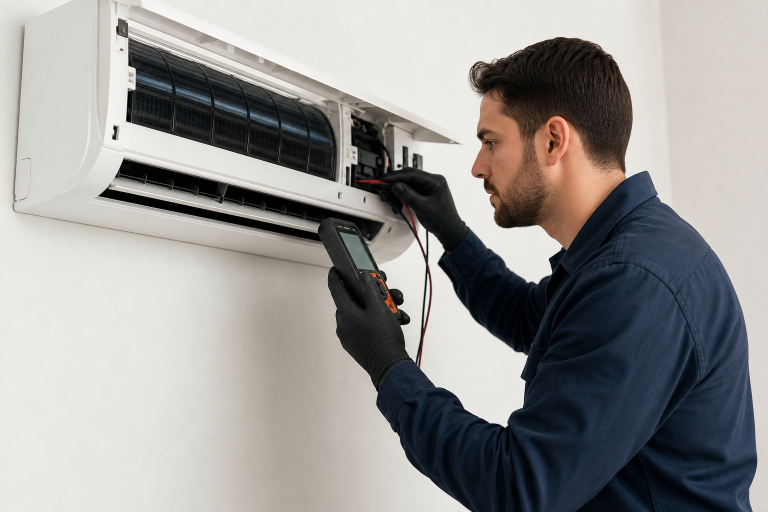
- Checking filters, coils, drain lines, thermostat operation, and electrical connections.
- Testing controls and safety components.
- Looking for signs of refrigerant leakage or performance loss.
- Cleaning accessible components and documenting any parts that may require attention later.
Preseason care is especially practical in warm climates. The EPA's extreme heat guidance advises homeowners to clear the area around outdoor HVAC units, clean dust and dirt from the cooling coils, and schedule annual pre-season checkups.
Signs Routine Maintenance May Be Enough
Maintenance may be the right starting point when the AC still cools the house but seems less efficient or dependable than it was before. Common examples include:
- The system has not had professional service within the past year.
- Cooling cycles are longer, but the home eventually reaches the selected temperature.
- Airflow feels mildly weaker at multiple vents.
- Energy bills are rising without a clear change in weather, household habits, or utility rates.
- Leaves, grass, dirt, or landscaping are crowding the outdoor unit.
- The thermostat seems inaccurate, or indoor humidity feels higher than usual.
Warning Signs That Point To AC Repair
A repair is more appropriate when there is an active fault, not just a need for cleaning or inspection. Schedule prompt professional attention if warm air comes from the vents, the unit will not start, it shuts off unexpectedly, or it begins cycling on and off repeatedly.
- Grinding, buzzing, squealing, or banging sounds.
- Water pooling around the indoor equipment.
- Ice on refrigerant lines or the indoor coil.
- Uneven temperatures between rooms.
- A breaker that trips when the system starts.
- Burning odors, strong electrical smells, or visible damage.
A tune-up can uncover repair needs, but cleaning alone will not correct failed wiring, a damaged motor, a leaking refrigerant circuit, or a faulty compressor.
What Homeowners Can Check Safely
- Confirm the thermostat is set to cooling and below the current room temperature.
- Inspect the filter and replace or clean it according to the system manufacturer's instructions.
- Make sure supply vents and return grilles are open and not blocked by furniture.
- Remove loose leaves and debris around the outdoor unit without opening it.
- Check the electrical panel for a tripped breaker, but do not repeatedly reset it.
- Note water, ice, odors, unusual sounds, and when the issue first appeared.
Do not remove electrical panels, bypass safety controls, handle capacitors, or attempt refrigerant work. Refrigerant levels do not normally decline through ordinary use. Low refrigerant often indicates a leak that should be located and repaired, rather than repeatedly topped off.
Why Hot, Humid Conditions Matter
In Brevard County, air conditioners may run for long periods through much of the year. That workload can increase strain on motors, capacitors, fans, and compressors. Humidity also makes drain performance important, since a clogged condensate line can lead to water leaks and indoor moisture problems. Coastal air may contribute to corrosion at outdoor equipment, while pets, remodeling dust, and pollen can mean filters need more frequent checks.
Repair Or Replacement: How To Think It Through
Age alone does not decide whether replacement is necessary. A newer system with a failed thermostat, contactor, or capacitor may be a strong candidate for repair. An older unit with repeated failures, declining comfort, poor humidity control, costly major-component repairs, and unavailable parts may warrant an evaluation for replacement.
Before approving work, ask these questions:
- What caused the problem, and what tests confirmed it?
- Is the issue related to maintenance, airflow, ductwork, refrigerant, or a failed part?
- Is the recommended repair expected to be lasting or temporary?
- Are other components showing signs of developing trouble?
- What do parts, labor, and warranty coverage include?
- How does the repair compare with replacement based on the system's condition and history?
A Simple Decision Guide
- Choose a tune-up: The system cools normally, but is overdue for professional seasonal service.
- Choose repair: There is warm air, ice, water leakage, loud noises, repeated shutdowns, or electrical trouble.
- Request an evaluation: The system is older, repair costs are increasing, or comfort has steadily declined.
- Turn the system off and seek help quickly: You notice a burning smell, major water leak, visible electrical damage, or repeated breaker trips.
Common AC Questions
How Often Should Professional Maintenance Be Scheduled?
Annual service is a useful baseline for many homes. Filters may need attention more often when a household has pets, dust, allergies, or heavy use of the cooling system.
Can A Dirty Filter Cause An AC To Freeze?
Restricted airflow can contribute to coil icing, but frozen equipment may also be due to problems with the refrigerant, blower, ductwork, or controls.
Is A Higher Energy Bill Always An AC Failure?
No. Weather, utility pricing, thermostat settings, insulation, and household activity can affect costs. A sudden, unexplained increase is still worth investigating.
Conclusion
A tune-up helps prevent problems, while a repair addresses an active fault. When the answer is unclear, a professional inspection can provide the information needed to determine the most practical and cost-effective solution. Pay attention to changes in airflow, unusual sounds, longer cooling cycles, uneven temperatures, humidity levels, and unexpected increases in energy use, as these may indicate developing issues. Regular maintenance can improve efficiency, reduce wear on major components, and extend the life of your cooling system, while timely repairs can prevent minor faults from causing more extensive damage. Acting early helps reduce the likelihood of unexpected breakdowns during periods of heavy summer demand and can keep your home more comfortable throughout the cooling season.


0 Comments