
Key Takeaways
- Dental implants can replace missing teeth, but they are not the best fit for every person.
- A thorough dental and medical evaluation should come before treatment begins.
- Bridges, partial dentures, and full dentures may be appropriate alternatives.
- Healing, maintenance, health conditions, and total treatment costs all matter.
- A clear plan should explain the timeline, risks, alternatives, follow-up visits, and fees.
Replacing a missing tooth is about more than improving a smile. A gap can affect chewing, speech, confidence, and the way nearby teeth fit together over time. Understanding potential dental implant benefits can help patients have a more informed conversation, but the right decision should always reflect their own health, goals, and treatment needs.
Dental implants can provide stable support for a crown, bridge, or denture, yet treatment is not something to rush. A thoughtful recommendation considers the condition of the gums and jawbone, medical history, bite forces, daily hygiene habits, and whether another option may meet the patient's needs with less treatment.
Why Tooth Replacement Takes Careful Planning
When a tooth is missing, the surrounding teeth may shift or carry more force during chewing. Some people also notice changes in speech or avoid foods that are difficult to bite. Replacing a tooth can support function and appearance, but it is also a long-term oral health decision. Before accepting a recommendation, patients should ask how the proposed approach protects the remaining teeth, gums, and jawbone.
What Dental Implants Are
A dental implant is a medical device placed in the jawbone to replace the root portion of a missing tooth. It generally includes an implant body beneath the gums, a connector called an abutment, and a visible replacement tooth, such as a crown. The implant itself provides support, while the crown, bridge, or denture is the part used to chew and smile. The parts and potential risks of dental implant systems are worth reviewing before surgery.
Who May Be a Good Candidate?
Age alone does not determine candidacy. A dental professional may consider several factors, including:
- Overall health, healing ability, and current medications.
- Healthy gums and the absence of untreated infection.
- Enough jawbone volume and quality to support the planned implant.
- Diabetes management and other conditions that can affect healing.
- Smoking or tobacco use, which may raise healing and long-term tissue concerns.
- Consistent brushing, cleaning between teeth, and willingness to attend follow-up visits.
When an Implant May Not Be the First Step
Some patients need preparatory care before placement. Active gum disease, a tooth infection, weak bone, or damage near the planned site may need treatment first. In certain cases, bone grafting or sinus-related treatment may be discussed. A delay does not necessarily mean implants are permanently off the table. It may simply mean the mouth needs a healthier foundation before surgery.
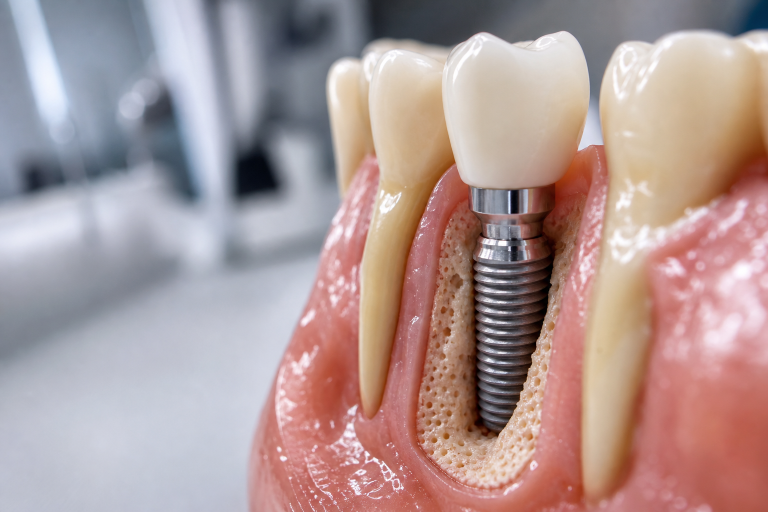
Comparing Tooth Replacement Options
- Dental implants: Fixed support that can hold a crown, bridge, or denture after healing.
- Dental bridges: Restorations that fill a gap using support from nearby teeth or implants.
- Partial dentures: Removable appliances that replace one or more missing teeth.
- Full dentures: Removable appliances designed to replace an entire upper or lower arch.
The best choice depends on bone support, gum health, budget, comfort, maintenance preferences, and personal goals. Patients should be offered reasonable alternatives before agreeing to complex care.
What the Treatment Process May Include
- Evaluation: Review oral health, medical history, medications, and treatment goals.
- Imaging and planning: Study the jawbone, nerves, sinuses, bite, and available space.
- Preparation: Address infection, gum disease, or bone concerns when necessary.
- Implant placement: Place the implant in the planned area using appropriate anesthesia.
- Healing: Allow time for the implant and surrounding bone to stabilize.
- Restoration: Attach the final crown, bridge, or denture once the site is ready.
- Follow-up: Monitor comfort, bite, tissue health, and cleaning techniques.
How Long Does Treatment Take?
Timing varies widely. The surgical appointment itself may be relatively short, while the healing phase can take months. Bone grafting, extractions, gum treatment, and the need for a temporary tooth can all affect the schedule. Ask for a written timeline that identifies major appointments, expected healing periods, and points where the treatment plan could change.
Recovery, Risks, and Costs
Short-term soreness, swelling, and changes in eating habits can occur after placement. Instructions may include soft foods, careful cleaning, and temporary activity limits. Increasing swelling, fever, pus, severe pain, or a loose implant should prompt a call to the dental office. Complications can happen early or later, even with careful planning, so patients should know what symptoms require attention.
Implant costs vary because every plan is different. The total may include imaging, extractions, bone-related procedures, anesthesia, temporary teeth, the implant, the abutment, and the final crown or denture. Request an itemized estimate and ask whether follow-up visits, adjustments, replacement parts, and future repairs are included. Comparing complete plans is more useful than comparing a single advertised price.
Daily Care After Treatment
Implants need consistent care. Brush twice daily with a soft-bristled toothbrush, clean between teeth and around the implant as instructed, and attend regular exams and professional cleanings. Avoid tobacco, report bleeding or persistent bad taste early, and use a night guard if one is recommended for grinding or clenching.
Common Questions Patients Ask
Are dental implants painful?
Anesthesia is used during placement. Mild soreness and swelling afterward are common, but each person's experience differs. Follow the specific recovery instructions provided by the treating professional.
Can implants be placed after bone loss?
Sometimes, but bone loss can change the treatment plan. Some patients need added preparation, while others may be better served by a bridge or removable appliance.
Are implants better than dentures?
Neither option is automatically better for everyone. Implants may offer more stability, while dentures can require less surgery and involve different costs and maintenance needs.
A Practical Checklist Before Treatment
- List your concerns, goals, medications, and medical conditions.
- Ask about every reasonable replacement option.
- Request a step-by-step timeline and itemized cost estimate.
- Ask who will place the implant and create the final restoration.
- Confirm the follow-up schedule and daily care expectations.
- Move forward only when the plan feels clear and appropriate for your long-term oral health.
Conclusion
Dental implants can be a valuable way to replace missing teeth, but strong outcomes begin with careful evaluation and realistic expectations. Look beyond before-and-after photos or headline prices. Ask questions, compare options, understand the risks and maintenance requirements, and choose a treatment plan that supports lasting oral health.


0 Comments