
Table Of Contents
- Why Pantry Meals Work on Busy Nights
- The Simple Balanced-Meal Formula
- Pantry Staples Worth Keeping on Hand
- How to Build a Weeknight Meal Step by Step
- How to Keep Comfort Food Balanced
- Easy Ways to Add More Flavor
- How to Save Money Without Making Meals Boring
- Food Safety Tips for Fast Home Cooking
- Simple Meal Ideas to Try
- Common Questions About Pantry Meals
- Final Thoughts
Weeknight dinner does not have to begin with a detailed recipe or a last-minute trip to the store. A few flexible pantry basics, plus whatever is fresh, frozen, or leftover, can become a meal that feels comforting and complete. A pioneer brand baking or gravy mix can also be a practical shortcut when you want a familiar homestyle flavor without adding extra steps.
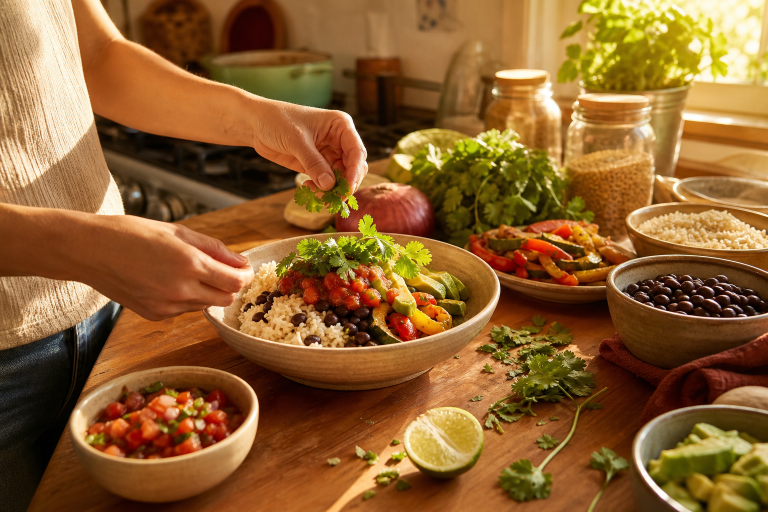
The most useful approach is not a strict meal plan. It is a simple system that helps you look at what you have, choose a direction, and cook with confidence. Rice, canned beans, frozen vegetables, and salsa, for example, can quickly become warm bowls with plenty of color, texture, and flavor.
Why Pantry Meals Work on Busy Nights
Pantry meals work because the same ingredients can take on different roles. Canned tomatoes can make pasta sauce, soup, chili, or a simmer sauce for eggs. Beans can become a taco filling, salad topper, blended dip, or a protein boost for grain bowls. Keeping versatile staples nearby reduces waste and gives you a dependable starting point when the refrigerator looks sparse.
Shelf-stable foods are especially helpful because they pair easily with fresh produce, frozen vegetables, cooked chicken, or last night's leftovers. Instead of planning every dinner day ahead, aim to keep enough basics on hand to make two or three meals from what is already in your kitchen.
The Simple Balanced-Meal Formula
Think of dinner as four parts rather than one perfect recipe. The Healthy Eating Plate guide offers a useful visual reminder to build meals around vegetables and fruit, whole grains, and satisfying protein without weighing or measuring every ingredient.
- Protein: Beans, lentils, eggs, poultry, fish, tofu, yogurt, nuts, or seeds.
- Produce: Fresh, frozen, dried, or canned vegetables and fruit.
- High-fiber carbohydrate: Oats, brown rice, whole-grain pasta, potatoes, barley, or corn.
- Flavor builder: Herbs, spices, broth, salsa, vinegar, citrus, or a modest amount of oil.
Pantry Staples Worth Keeping on Hand
Protein and Base Staples
- Canned beans, lentils, tuna, salmon, or chicken
- Dry lentils, split peas, peanut butter, and other nut or seed spreads
- Rice, whole-grain pasta, oats, couscous, barley, quinoa, or cornmeal
- Whole-grain tortillas, crackers, or shelf-stable flatbreads
Flavor and Freezer Staples
- Canned tomatoes, low-sodium broth, onions, garlic, dried herbs, and spices
- Mustard, salsa, vinegar, hot sauce, and cooking oil
- Frozen mixed vegetables, spinach, peas, berries, and cooked grains
- Frozen chicken, fish, or meatless proteins for backup meals
How to Build a Weeknight Meal Step by Step
- Use what needs attention first. Start with produce, leftovers, or cooked protein that should be eaten soon.
- Choose a base. Use rice, pasta, potatoes, toast, tortillas, or greens.
- Add protein and produce. Combine a filling protein with at least one colorful vegetable or fruit.
- Pick a flavor direction. Go Italian with tomatoes and herbs, Southwestern with salsa and cumin, or Mediterranean with lemon and garlic.
- Finish for contrast. Add something bright, crisp, creamy, spicy, or fresh before serving.
This formula can become a bowl, soup, skillet supper, casserole, wrap, or open-faced sandwich. The format changes, but the building blocks stay the same.
How to Keep Comfort Food Balanced
Balanced comfort food starts with the flavor people enjoy, then adds practical improvements. Stir spinach, peas, mushrooms, or diced vegetables into sauces and casseroles. Use beans or lentils to stretch ground meat. Pair a rich dish with a crisp salad, roasted vegetables, or fresh fruit. Strong ingredients such as sharp cheese, smoky paprika, savory broth, and gravy can deliver plenty of satisfaction in smaller amounts.
Easy Ways to Add More Flavor
Use Contrast and Layer Seasoning
A creamy meal benefits from crunch, while a rich sauce often needs lemon juice, vinegar, tomatoes, or pickled vegetables to taste lively. Season in stages: add salt and spices to the cooking base, build flavor while vegetables cook, then taste before serving and adjust acidity, heat, or seasoning.
Try Fast Finishes
- Fresh herbs, citrus zest, chopped nuts, or toasted seeds
- Plain yogurt, grated cheese, or a spoonful of hummus
- Pickled onions, hot sauce, or a squeeze of lemon
How to Save Money Without Making Meals Boring
Buy ingredients that can appear in at least three meals, and compare cost per serving instead of only looking at the package price. Frozen vegetables are often a smart choice when fresh produce may spoil before you use it. Cook extra rice, pasta, or protein for tomorrow's lunch, and schedule one weekly use-it-up dinner for soups, fried rice, tacos, or skillet meals.
Food Safety Tips for Fast Home Cooking
Fast cooking still needs a safety routine. Follow the four steps to food safety by cleaning hands and surfaces, separating raw foods from ready-to-eat ingredients, cooking foods to safe temperatures, and chilling perishables promptly.
- Use separate cutting boards or thoroughly wash them between raw meat and produce.
- Use a food thermometer for meat, poultry, seafood, and reheated leftovers.
- Refrigerate leftovers promptly in shallow containers so they cool faster.
Simple Meal Ideas to Try
Tomato, Bean, and Rice Bowls
Warm rice with canned beans, tomatoes or salsa, frozen corn or peppers, and a topping of yogurt, avocado, herbs, or crushed tortilla chips.
Pantry Pasta With Vegetables
Toss whole-grain pasta with canned tomatoes, garlic, frozen spinach or peas, white beans or tuna, herbs, and grated cheese.
Breakfast for Dinner
Serve eggs or beans with whole-grain toast or roasted potatoes, cooked vegetables, and fruit on the side.
Common Questions About Pantry Meals
Can Pantry Meals Still Feel Fresh?
Yes. Fresh herbs, citrus, crunchy vegetables, pickled toppings, and a quick side salad can make shelf-stable ingredients feel new.
How Can Leftovers Feel Less Repetitive?
Change the format and seasoning. Roasted vegetables can move into tacos, soup, pasta, or grain bowls, while leftover chicken can become wraps, salad, or a quick skillet meal.
Final Thoughts
A balanced weeknight meal does not require a crowded cart or a complicated recipe. Keep dependable staples, use a flexible formula, and make small adjustments for color, protein, and flavor. The best dinner system is the one that fits your actual schedule and helps you turn what you already have into something warm, filling, and enjoyable.


0 Comments