
Key Takeaways
- The best ring is one that complements the wearer's habits, comfort preferences, style, and plans for long-term wear.
- Diamond shape describes a stone's outline, while cut refers to its facet arrangement and light performance.
- Setting height, stone protection, metal choice, and maintenance needs matter as much as visual sparkle.
- Pointed diamond shapes and elevated settings can be beautiful, but they may need more care in active routines.
An engagement ring is often worn during workdays, workouts, travel, handwashing, cooking, and every ordinary moment in between. That is why choosing a design should go beyond a first impression. Whether someone prefers classic solitaire lab diamond rings or a detailed halo design, the right choice should feel good on the hand and suit real life. Style still matters, of course. A ring can be meaningful, expressive, and visually striking while also being practical. The goal is not to choose the lowest or simplest setting by default, but to understand the trade-offs before committing to a shape, setting, and metal combination.
Why Lifestyle Should Come Before Style
A high-profile ring may create a dramatic silhouette and show off a center stone from many angles. For someone who spends most of the day at a desk and enjoys statement jewelry, that may be a great fit. For a nurse, fitness enthusiast, parent of young children, or person who works with tools, the same design may snag, knock against surfaces, or feel distracting. Think through the wearer's usual routine. Frequent hand washing, gloves, gardening, lifting, sports, travel, and hands-on hobbies all affect how a ring performs. A practical ring is no less personal. It is designed to remain comfortable and secure throughout the life it is meant to celebrate.
Shape, Cut, and Setting: What Each Term Means
The diamond shape is the visible outline of the stone, such as round, oval, pear, emerald, or princess. Cut is different. It refers to the facets, proportions, symmetry, and finish that influence how a diamond reflects light. Shape influences the ring's personality and finger coverage, while cut has a major role in brightness and sparkle. It is useful to compare both factors rather than shopping by carat weight alone.
How Popular Diamond Shapes Wear in Daily Life
Round Shapes
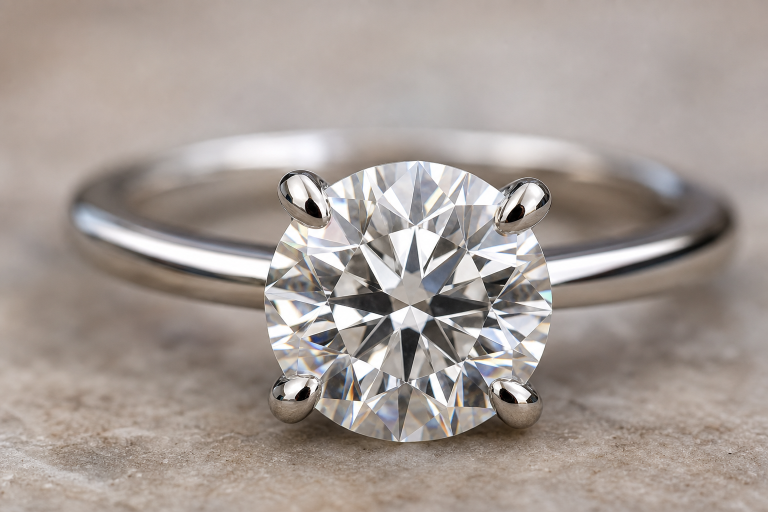
Round diamonds have a balanced silhouette that pairs well with nearly every setting style, from a simple four-prong solitaire to a pavé band. Their lack of corners makes them a flexible choice for daily wear, and their familiar appearance can feel equally at home in traditional or contemporary designs.
Oval, Pear, and Marquise Shapes
Elongated diamonds can create the appearance of a longer finger and offer generous visual coverage. Ovals have smooth edges, while pear and marquise stones have pointed ends that deserve additional attention. A protective V-prong or bezel-style edge can help shield vulnerable points from direct impact during everyday activity.
Emerald and Asscher Shapes
Emerald and Asscher diamonds have step-cut facets that produce broad flashes of light rather than the glittering pattern associated with brilliant cuts. Their clean, geometric look appeals to people who prefer quiet elegance. Because their open facets can make color and inclusions easier to notice, closely examining the individual stone is especially important.
Cushion, Princess, Radiant, and Other Shapes
Cushion cuts offer softened corners and a romantic profile. Princess and radiant cuts bring sharper geometry and stronger sparkle, but exposed corners may benefit from secure prongs. Try several shapes on the hand when possible. Length-to-width ratio, setting height, and finger size can change the effect far more than an online image suggests.
Setting Styles and Their Main Trade-Offs
Prong Settings
Prongs hold a diamond in place while leaving much of it visible, allowing light to enter from multiple directions. Four-prong designs can look minimal and open, while six-prong settings add more points of support. Prongs should be inspected periodically because they can wear down, bend, or catch on knitwear and hair.
Bezel Settings
A bezel uses a metal rim around part or all of the diamond's edge. This can provide a smooth feel and a more protected profile, making it appealing for active hands. A full bezel may cover more of the stone than prongs do, so the visual effect is different, but it can create a sleek, modern finish.
Pavé and Halo Settings
Pavé bands and halo designs use smaller diamonds to add light, texture, and visual presence. They can make a center stone appear larger, but the extra details also require more cleaning and inspection. Small stones may loosen over time, and intricate shoulders can affect resizing options or how neatly a wedding band sits beside the ring.
Low-Profile and High-Profile Designs
Low-profile settings keep the diamond closer to the finger, often reducing snag risk and making the ring feel more stable. Higher settings can deliver a more elevated, dramatic look and may allow a straight wedding band to sit flush. Before deciding, make a fist, grip a bag handle, and move the fingers naturally to assess comfort.
Matching the Ring to Different Routines
- Active lifestyles: Consider lower settings, protective bezels or V-prongs, and smooth edges.
- Office-based work: Focus on comfort, balanced proportions, and a setting that does not catch on clothing.
- Hands-on professions: Look for sturdy construction and less-exposed stones, especially at corners or points.
- Frequent travelers: Choose a design that is easy to clean, inspect, and wear comfortably on the move.
- Occasional ring wear: A higher or more intricate setting may be suitable when regular care is acceptable.
Choosing the Right Metal
Yellow gold brings warmth and a traditional feel, while white gold creates a bright, cool backdrop. Rose gold offers a softer color, and platinum is valued for its naturally white appearance and substantial feel. Consider color preference, skin sensitivity, desired finish, budget, and upkeep. Metal should support the center stone rather than overwhelm it.
How to Check Comfort and Fit
Correct sizing is essential for both comfort and security. A ring should pass over the knuckle with gentle resistance, then rest securely without spinning constantly. Check whether the setting presses against adjacent fingers and whether the ring feels top-heavy. If a wedding band is planned, try the rings together or ask whether a spacer, contour band, or custom fit may be needed.
Questions to Ask Before Buying
- How often should the setting be cleaned and inspected?
- Can the ring be resized, and are there limits because of pavé stones or design details?
- How are pointed edges, corners, and the center stone protected?
- Will a future wedding band sit comfortably beside it?
- Is there a reliable grading report for the center diamond?
- What repair or maintenance options are available if a prong loosens?
Simple Comparison Checklist
- Diamond shape: Consider outline, finger coverage, personal style, and vulnerable corners.
- Diamond cut: Compare facet pattern, brightness, sparkle, and visible clarity characteristics.
- Setting: Evaluate stone security, profile height, cleaning needs, and snag risk.
- Metal: Compare color, durability, maintenance, and comfort.
- Band fit: Think about stacking space, ring movement, and future wedding-band pairing.
Common Mistakes to Avoid
Avoid choosing solely from photos, assuming larger always means better, or overlooking exposed corners and pointed tips. Do not skip questions about maintenance, resizing, or comfort. The most enduring ring choice is not necessarily the most popular one. It is the one that reflects the wearer's taste while fitting comfortably into daily life for years to come.
Conclusion
The best engagement ring is one that balances beauty with everyday practicality. Instead of focusing only on diamond size or current trends, consider how the shape, cut, setting, metal, and overall design will perform during daily wear. A ring that suits the wearer's lifestyle is more likely to remain comfortable, secure, and enjoyable for years to come. Before making a final decision, compare different styles in person whenever possible, ask about maintenance and repair requirements, and review the grading report and warranty details. Taking time to evaluate both appearance and function can lead to a choice that feels just as meaningful years from now as it does on the day it is given. A thoughtful ring is not simply beautiful, as it is designed to be worn, appreciated, and celebrated every day.


0 Comments