Key Takeaways
- Earthquake preparedness should cover occupants, building systems, equipment, utilities, and daily operations.
- A documented property review helps owners identify and rank risks before committing to larger capital projects.
- Nonstructural items, including storage racks, mechanical equipment, lighting, and interior contents, can create major safety and downtime concerns.
- Clear emergency procedures and tenant communication can make inspections, temporary closures, and re-entry more manageable.
- Preparedness is most effective when it becomes an ongoing part of commercial property management.
Why Earthquake Readiness Matters for Seattle Commercial Properties
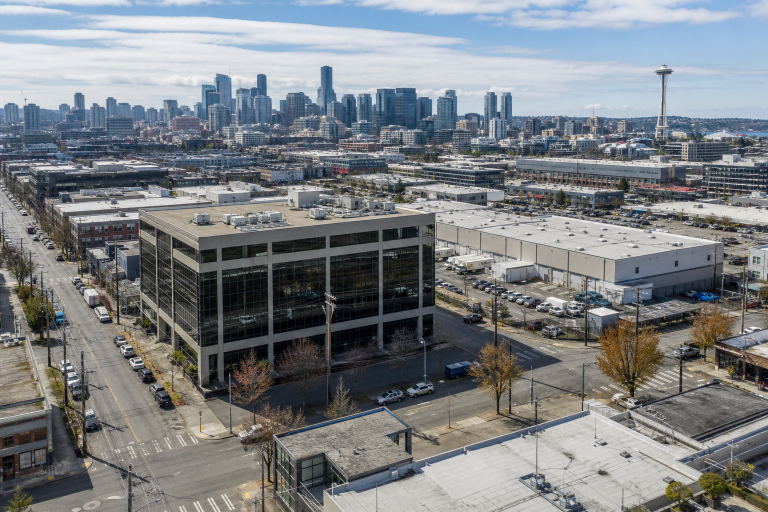
Seattle commercial properties operate in a region where earthquake preparedness deserves practical attention. Offices in downtown towers, warehouses in SODO, neighborhood retail spaces, multifamily mixed-use buildings, and industrial facilities can all face disruption from shaking, damaged utilities, restricted access, and aftershocks. Property owners considering building improvements can begin by reviewing available retrofitting services alongside their maintenance records, occupancy needs, and long-term investment plans.
An earthquake can affect far more than a building's main frame. Falling contents, broken water lines, damaged sprinkler components, displaced equipment, cracked finishes, blocked exits, and elevator interruptions can make an otherwise standing building difficult to use. The City of Seattle identifies earthquakes as a major local hazard and encourages residents and organizations to prepare before an event occurs through its earthquake safety guidance.
For commercial owners, readiness is not about predicting the date or size of the next earthquake. It is about reducing avoidable problems, protecting people who use the property, and establishing a clear process for evaluating the building afterward. A thoughtful plan can also help teams make faster decisions when tenants, vendors, employees, lenders, and insurers need timely information.
Start With a Practical Building Risk Review
The best first step is to replace assumptions with an organized review of the property. Gather available construction drawings, prior inspection reports, maintenance logs, records of renovations, and documentation for major building systems. These records can help reveal how the building has changed over time and where follow-up may be appropriate.
Review the Building and Its Contents
- Note the building's age, construction type, additions, and significant alterations.
- Document visible cracking, corrosion, water intrusion, settlement, or other conditions that may warrant review.
- Look at roofs, exterior walls, foundations, columns, connections, stairways, and loading areas.
- Identify heavy storage, suspended ceilings, glazing, partitions, light fixtures, shelving, and large furnishings.
- Check the condition and accessibility of gas, water, electrical, fire-protection, and emergency-power systems.
- Consider whether emergency personnel could safely reach utility controls and primary entrances after an event.
A property manager can complete much of the record gathering and visual documentation. However, questions about structural capacity, damaged load-bearing elements, or the appropriate scope of seismic work should be reviewed by qualified design and construction professionals.
Separate Structural and Nonstructural Risks
Structural concerns involve the parts of a building that carry and transfer loads, such as foundations, walls, beams, columns, connections, and diaphragms. Conditions involving weak connections, deterioration, irregular layouts, or damaged structural elements may require professional evaluation because they can affect how the building responds to shaking.
Nonstructural risks involve components that may not support the building's primary loads but can still injure occupants, damage inventory, interrupt operations, or block emergency routes. A warehouse rack that shifts, a ceiling panel that falls, a rooftop unit that moves, or a ruptured pipe can create costly consequences even when the main structure remains intact.
Build a Priority List for Improvements
Not every concern needs to be addressed at once. Owners can create a phased plan that balances life safety, operational impact, cost, timing, and the opportunity to coordinate work with renovations or tenant turnover.
- Urgent items: Conditions that could present an immediate safety concern or prevent safe use of the building.
- High-priority items: Vulnerabilities that could lead to extensive damage, utility failures, lengthy closures, or major tenant disruption.
- Planned improvements: Resilience measures that can be scheduled with future capital work, lease transitions, equipment replacement, or modernization projects.
The lowest-cost option is not always the best first choice. A more valuable improvement may be one that prevents a cascading problem, such as a utility failure that damages multiple suites or an unsecured system that blocks a primary exit.
Protect Utilities and Limit Secondary Damage
After shaking stops, utilities and building systems often deserve immediate attention. Gas leaks, water releases, electrical hazards, impaired fire protection, and damaged mechanical equipment can increase the severity of a property loss. Keep utility shutoffs clearly labeled, maintain access around panels and valves, and make sure responsible staff know who is authorized to operate them.
Owners should also consider anchoring or securing mechanical equipment, fuel tanks, rooftop units, water heaters, storage systems, and other heavy components as appropriate for the property. Emergency lighting, fire-protection equipment, backup power arrangements, and vendor contact lists should be reviewed regularly rather than only after an incident.
Plan for Tenants, Employees, and Visitors
An emergency plan must work for the people using the property, not just the ownership team. Establish how tenants will receive notices, where people should gather after evacuation, how occupants with mobility or accessibility needs will be assisted, and who will account for people once conditions allow.
Re-entry is especially important for commercial buildings. Communicate in advance that occupants should not return simply because shaking has stopped. Access decisions should account for visible hazards, utility conditions, official restrictions, and any inspection or clearance process needed for the property.
Create a Business Continuity Checklist
A resilient building plan supports, but does not replace, a business continuity plan. Washington's business preparedness resources emphasize that disasters can damage equipment and records, interrupt utilities, and force temporary closures, which makes advance continuity planning useful for both owners and tenants.
- Store emergency contacts, lease records, insurance information, and vendor lists in more than one secure location.
- Identify critical contractors for electrical, plumbing, glazing, fire protection, cleaning, security, and temporary repairs.
- Plan for limited power, water, internet service, transportation access, and building entry.
- Establish procedures for tenant notices, customer communication, payroll, and vendor coordination.
- Identify alternate work arrangements when a building, suite, parking area, or surrounding street is unavailable.
Review Insurance, Lending, and Local Requirements
Before starting a significant project, owners should discuss earthquake coverage, deductibles, business-interruption provisions, replacement-cost assumptions, and claim documentation with their insurance advisor. It is also wise to review lender requirements, lease obligations, and the permitting process that may apply to the planned scope of work.
Keeping photographs, maintenance records, drawings, invoices, and inspection documentation organized can support decision-making before an event and simplify communication afterward. Update these records after renovations, equipment replacements, or material changes in occupancy.
Make Preparedness an Ongoing Management Practice
Commercial earthquake preparation in Seattle works best as a repeatable process. Review the plan at least once each year, test communication methods, refresh emergency contacts, and revisit priorities after major building changes. By combining property documentation, professional review, utility planning, tenant coordination, and phased improvements, owners can reduce confusion and support a more orderly recovery when disruption occurs.


0 Comments