Key Takeaways
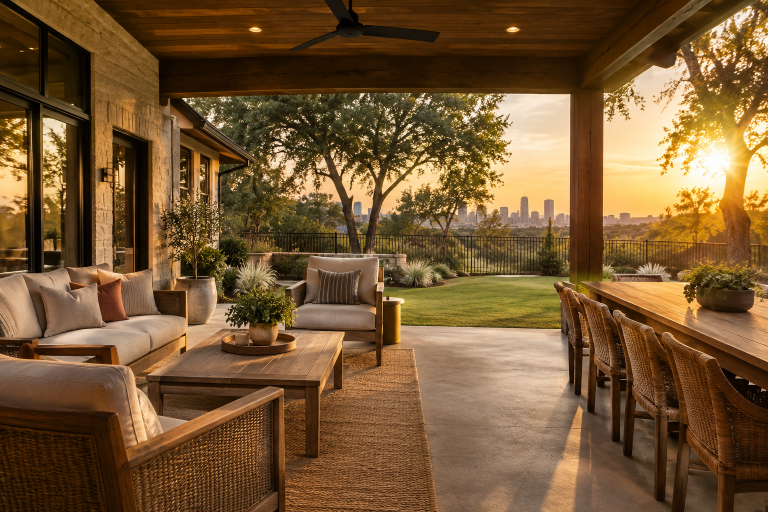
- Use related colors, materials, and furniture shapes to make indoor and outdoor areas feel connected.
- Plan around Austin's strong sun, heat, dust, and changing weather before choosing finishes or layouts.
- Prioritize clear walkways, comfortable seating, shade, and lighting over filling every open corner.
- Choose flexible pieces that can support morning coffee, family dinners, and relaxed gatherings.
- Build the space in layers, starting with function and ending with textiles, plants, and personal details.
In Austin, outdoor living can be part of the everyday rhythm of home, from quiet breakfasts before the day warms up to casual dinners under a covered patio. Choosing outdoor furniture in Austin, TX is only one part of the process. The larger goal is creating a transition between the living room, kitchen, porch, balcony, or backyard that feels comfortable and intentional. The most successful indoor-outdoor spaces do not look like separate rooms placed side by side. They share a visual language, accommodate real routines, and respond to the conditions outside the door. In Central Texas, that means treating shade, airflow, durable materials, and easy maintenance as essential design elements rather than afterthoughts.
Why Indoor-Outdoor Living Matters in Austin
Homes in the Austin area often need to support several activities at once, including working, resting, dining, hosting friends, and spending time with family. A well-planned patio or screened porch can serve as a true extension of the home, giving people another place to read, share a meal, or step away from the indoors without sacrificing comfort. Instead of copying a staged photo, begin with the habits that already shape life at home. A household in Austin that enjoys weekend cookouts needs a different setup than one that prefers solitary morning coffee or evening conversation. When the layout reflects those routines, the finished area is more likely to be used regularly. For many Austin households, selecting patio furniture in Austin, TX works best after deciding whether the space is primarily for dining, lounging, entertaining, or a combination of all three. A narrow patio, for example, may be more functional with one adaptable dining table and a few movable chairs than with several oversized seating pieces.
Start With Function and Flow
Before buying furniture, measure the area and identify doors, gates, steps, grills, planters, and utility access. Then consider how people will move through the space. Leave direct paths between the home and the yard, and avoid placing large seating groups where they force guests to squeeze around corners or block an entrance.
Questions to Ask Before Planning
- How many people need comfortable seating on an average day?
- Will the area be used for meals, lounging, work, or entertaining?
- Which spots receive direct sun in the afternoon?
- Does the layout need to change for larger gatherings?
- Where will cushions, serving pieces, and small accessories be stored?
A simple painter's tape outline can prevent an expensive mistake. Mark the footprint of a sofa, dining table, or chaise on the floor before ordering it. This makes it easier to see whether there is enough room to pull out chairs, open doors, and walk naturally through the area.
Create a Visual Connection Between Rooms
Matching every piece is not necessary. A more relaxed result is achieved by repeating a few design cues across the threshold. Carry a warm wood tone from an indoor console to an outdoor dining table, repeat an accent color in cushions and indoor artwork, or choose metal finishes that feel related rather than identical. Texture is equally useful. Smooth stone, woven fibers, soft performance fabrics, matte ceramics, and natural wood can create depth while keeping a neutral palette from looking flat. Outdoor rugs can help define a conversation zone, while pillows and throws make a covered porch feel closer to an interior room.
Choose Materials That Suit Austin Conditions
Austin's outdoor areas can face intense sunlight, high temperatures, windblown dust, sudden rain, and seasonal pollen. Materials should fit both the exposure level and the amount of upkeep the household can realistically manage. Performance fabrics, powder-coated metal, durable woods, and outdoor-rated rugs can be practical choices when their care instructions match the location. Shade deserves early attention because it affects how useful the space feels during hot weather. The City of Austin encourages residents to take shade breaks during extreme heat, and its guidance reinforces why umbrellas, covered patios, pergolas, and shade sails can make outdoor areas more comfortable. Taking shade breaks is also an important part of using any patio safely in summer. Observe the space at several times of day before settling on a final layout. A sunny morning corner may become uncomfortable later in the afternoon. At the same time, a wall that stays shaded can be a better location for cushioned seating, delicate plants, or a dining area.
Add Shade, Lighting, and Airflow
Comfort depends on more than the furniture itself. Use layered lighting for pathways, dining, and conversation areas, with warm, low-glare fixtures that support evenings outside. Ceiling fans in covered spaces and portable fans in flexible areas can improve air movement without changing the overall design. Screened spaces can be especially useful when homeowners want fresh air while reducing exposure to insects and light rain. A thoughtfully planned screening room can preserve airflow and natural light while making a porch feel more protected and usable. For Austin homes, the right level of enclosure depends on the property's sun exposure, breezes, privacy needs, and connection to the yard.
Make Small Patios and Balconies Work Harder
Compact outdoor areas benefit from restraint. Choose one main purpose, then select pieces that support it without crowding the floor. A bench along a wall, stackable dining chairs, a storage ottoman, or a small table with space for serving can provide more functionality than a collection of bulky furniture.
- Use vertical planters when floor space is limited.
- Select movable side tables instead of one oversized coffee table.
- Keep one clear focal point, such as a view, fire feature, or planted wall.
- Choose removable covers or covered storage for cushions and décor.
A Simple Seven-Step Planning Process
- Measure the full area, including doors, windows, and fixed features.
- Track sunlight in the morning, afternoon, and evening.
- List the activities the space needs to support during a normal week.
- Set a budget for furniture, shade, lighting, storage, and finishing details.
- Choose the largest pieces first, including seating and dining surfaces.
- Test the layout for walkways and comfort before committing.
- Finish in layers with rugs, pillows, plants, lighting, and accessories.
Final Thoughts
Blending indoor comfort with outdoor living in Austin does not require a complete renovation. It requires a clear understanding of how the area will be used, materials that can handle local conditions, and enough flexibility for everyday life. Homeowners can begin by considering the amount of sun and shade the space receives, how air moves through the area, and whether furniture can be arranged without blocking doors or walkways. Comfortable seating, practical lighting, privacy features, and durable surfaces can also make the space more useful throughout the day and across different seasons. It is helpful to choose furnishings and finishes that are easy to clean and suited to regular outdoor exposure, especially when the space is used for meals, gatherings, or relaxation. When movement, shade, texture, and seating work together, even a modest porch or patio can feel like a natural, welcoming part of the home. A thoughtful layout can also make it easier to transition between indoor and outdoor areas, creating a comfortable extension of the living space without unnecessary complexity.


0 Comments