Key Takeaways
- New bleeding, swelling, discomfort, movement, or bite changes around an implant should be evaluated.
- Implant problems can involve the gums, bone, restoration, bite, or implant itself.
- Early signs may occur with little or no pain.
- Regular dental exams and imaging can help identify changes over time.
- Daily cleaning around implants and restorations is important for maintenance.
- Tobacco use, gum disease, grinding, and difficult-to-clean restorations may contribute to complications.
- Treatment depends on the cause and may include cleaning, adjustments, repairs, or periodontal care.
- Implant removal is not automatically necessary and should follow a professional assessment.
- Prompt evaluation can help determine the appropriate treatment and prevent concerns from progressing.
Dental implants are designed to feel secure and function much like natural teeth, so a new sensation around an implant is worth noticing. A crown that feels high, bleeding gum tissue, or pressure while chewing does not automatically mean the implant has failed. Still, timely evaluation can help identify whether the concern involves the gums, the restoration, the bite, or the implant itself. If you are concerned about a failing dental implant, avoid waiting until pain becomes severe before scheduling a dental visit. Some implant-related conditions begin with subtle changes and little or no discomfort. Comparing today's symptoms, examination findings, and dental images with earlier records gives the dentist a clearer picture of what has changed and which treatment, if any, is appropriate.
Why Changes Around an Implant Matter
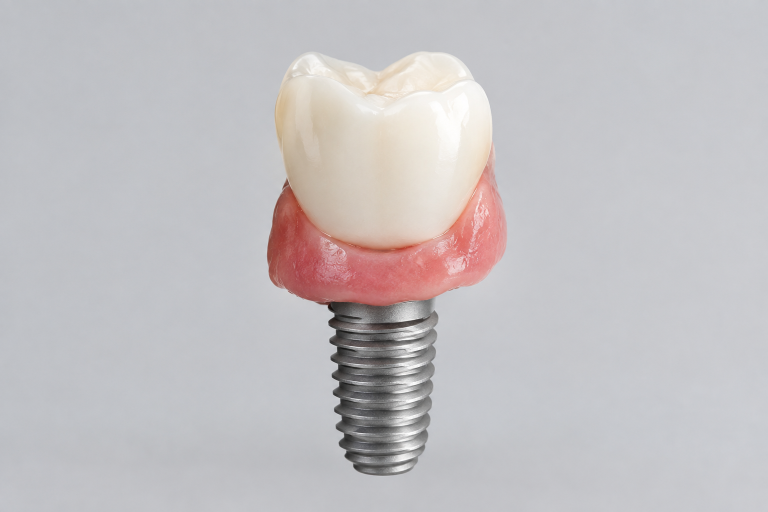
An implant restoration includes more than the implant post beneath the gums. The visible crown, bridge, or denture, connecting components, surrounding gum tissue, and supporting bone all contribute to comfort and function. A problem in one area can create symptoms that seem to come from another. For example, a loose crown may feel like a loose implant, while gum inflammation may cause bleeding without affecting the implant's stability. Changes deserve attention because inflammation around an implant can progress without obvious pain. Bleeding, swelling, recession, or a new, unpleasant taste may be early clues that the tissues need professional assessment. Regular maintenance visits also allow clinicians to establish and compare baseline measurements over time.
Early Warning Signs to Watch For
Keep track of changes rather than trying to diagnose the cause at home. The following signs can point to irritation, inflammation, bite-related stress, or a restoration issue:
- Bleeding when brushing, flossing, or cleaning around the implant.
- Redness, tenderness, or swelling of the nearby gum tissue.
- Persistent bad breath or an unpleasant taste near the restoration.
- Food repeatedly becomes trapped beneath or around a crown, bridge, or denture.
- A crown, bridge, or denture that feels loose, clicks, or shifts.
- A bite that feels different or discomfort when chewing.
- Gum recession, visible metal, or an implant-supported tooth that appears longer.
- Pus, drainage, facial swelling, fever, or trouble swallowing, which warrant prompt professional care.
Common Causes of Implant Problems
Inflammation Around the Implant
Peri-implant mucositis refers to inflammation in the soft tissue around an implant. Peri-implantitis involves inflammation and loss of the supporting bone. A dentist must examine the area and review images to distinguish between these conditions. Current clinical guidance recognizes bleeding on gentle probing, changes in probing depth, and bone-level changes as important findings during assessment.
Plaque, Deposits, and Home-Care Challenges
Bacterial plaque can accumulate around teeth, crowns, dentures, and implants. Areas beneath bridges or around bulky restoration contours may be harder to reach, making daily cleaning more challenging. The National Institute of Dental and Craniofacial Research explains that plaque can form on dental prosthetics, including implants and crowns, which is why brushing alone may not clean every surface effectively.
Additional Contributing Factors
A history of gum disease, tobacco use, inconsistent maintenance, and some health conditions may affect the likelihood of inflammation around implants. Mechanical concerns also matter. Clenching, grinding, a changed bite, or uneven pressure may strain the crown or bridge and its connecting parts. In other cases, a chipped, worn, loose, or poorly fitting restoration is the main source of the problem rather than the implant post.
What a Dental Professional May Check
A thorough evaluation focuses on finding the cause before recommending treatment. The dentist may review symptoms, medical history, medications, tobacco use, and your daily cleaning routine. They may also inspect the gums for swelling, bleeding, recession, or drainage; gently measure the tissue around the implant; and test whether the crown, bridge, or denture moves. The appointment may include a bite check and dental images. Comparing current images with earlier records can help identify bone changes or rule out problems involving nearby teeth. Professional evaluations may also look for trapped cement, worn components, damaged restorations, or spaces that collect food. A consensus report on peri-implant disease prevention and management also emphasizes individualized maintenance and risk assessment.
Treatment Options by Problem Type
Treatment is not one-size-fits-all. The right approach depends on the amount of inflammation, bone support, restoration design, access for cleaning, bite forces, and overall health. When the implant can be retained, care often begins with the least invasive practical option.
- Improve daily cleaning: A clinician may demonstrate techniques using a soft toothbrush, interdental brushes, flossing aids, or a water flosser when appropriate for the restoration.
- Remove plaque and hard deposits: Professional cleaning can help manage early soft-tissue inflammation and improve access to areas that are difficult to clean at home.
- Repair or adjust the restoration: A loose crown, worn bridge, chipped denture, or uneven bite may require repair, tightening, replacement, or adjustment.
- Address gum or bone concerns: More advanced disease may require periodontal treatment, additional decontamination procedures, or referral to a specialist.
- Manage contributing habits: Tobacco cessation support, treatment for grinding, and consistent follow-up may form part of the long-term plan.
- Consider removal only when necessary: Implant removal is not the automatic answer to every problem and should follow a careful clinical assessment.
What to Do Before an Appointment
- Write down when you first noticed the change and whether it is getting worse.
- Note whether symptoms occur while eating, brushing, flossing, or resting.
- Record bleeding, swelling, drainage, a bad taste, or changes in your bite.
- Continue gentle cleaning unless your dental professional gives different instructions.
- Avoid probing the area with sharp objects or trying to tighten a restoration yourself.
- Bring a current medication list and details about relevant health conditions.
- Request prior images or treatment records if another office placed the implant.
Daily Care and Long-Term Maintenance
Implant care continues long after the final crown or bridge is placed. Brush twice daily with a soft-bristled toothbrush, clean between teeth and beneath restorations as instructed, and use tools suited to the shape of your restoration and gum condition. Do not assume that an implant cannot develop surrounding tissue problems simply because it cannot form a cavity. Keep recommended maintenance appointments, especially if you have a history of gum disease, smoke, have difficulty cleaning around a bridge, or clench or grind your teeth. Ask whether a night guard could help protect the restoration if grinding is suspected. Small adjustments in cleaning habits or restoration design can make long-term maintenance easier.
Questions to Ask at a Dental Visit
- Is the issue coming from the gums, bone, implant, or restoration?
- Are there signs of inflammation, infection, or bone loss?
- Is the implant stable, and is the crown or bridge stable?
- Do current images show a change from earlier visits?
- Could my bite, grinding, or restoration design be adding excess pressure?
- What can be treated with cleaning, repair, or adjustment?
- What symptoms would mean the condition is worsening?
- How often should I return for follow-up care?
Final Takeaway
Any change around a dental implant is worth checking, even if it seems minor. Bleeding, swelling, drainage, movement, gum recession, tenderness, persistent discomfort, or a change in bite should not be ignored, particularly if the change persists or becomes more noticeable. These signs can have different causes, and only a dental professional can determine what is happening through an examination and, when appropriate, imaging. Prompt evaluation can clarify the cause and help guide the least complex treatment that fits your situation. It may also allow concerns to be addressed before they further interfere with the surrounding gums, the implant-supported restoration, or daily comfort. Keeping regular maintenance appointments and following recommended cleaning instructions can also help the dental team monitor changes and provide appropriate care when needed.


0 Comments