Key Takeaways
- Follow a monthly, seasonal, and annual maintenance schedule to keep home repairs organized.
- Inspect each room for leaks, loose fixtures, damaged surfaces, and potential safety hazards.
- Prioritize urgent repairs, water damage, and issues that affect security or daily comfort.
- Handle simple, low-risk tasks yourself and call qualified professionals for complex or hazardous work.
- Bundle small repairs into one planned visit to save time and simplify maintenance.
- Keep repair records and follow a seasonal checklist to prevent minor problems from becoming costly issues.
Small home problems are easy to postpone, especially when life is busy. A drip beneath a sink, a door that sticks, or a loose stair rail may seem minor today, but regular attention helps homeowners catch issues before they interfere with comfort, safety, or everyday routines.
For Denver, Colorado, homeowners, a room-by-room reset is often more manageable than a single overwhelming repair list. When several projects have piled up, handyman support from Milt's Handyman Services can be a practical option. The locally operated company serves the Denver area with home and business repairs, maintenance, installations, drywall and painting, door and window work, furniture assembly, and other small projects, making it well suited to helping homeowners organize a varied to-do list.
Step One: Build a Simple Home Maintenance Calendar
Start by separating tasks into monthly, seasonal, and annual categories. Use a phone reminder, a shared household calendar, a notebook, or an app, but choose one system that everyone can access and update.
Each time you inspect or repair something, record the date, what you found, what was replaced, and whether follow-up service may be needed. These notes can make recurring issues easier to spot and provide useful history if you later sell the property or speak with a repair professional.
Step Two: Check the Entryway, Doors, and Windows
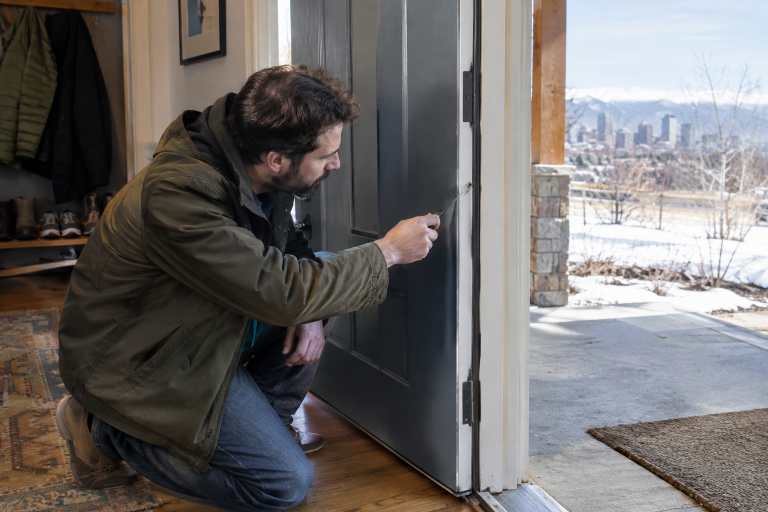
Walk through each exterior door and window. Test locks, handles, hinges, latches, screens, weatherstripping, and thresholds. Look for cracked caulk, peeling paint, drafts, moisture stains, or doors that rub against the frame.
Small adjustments, such as tightening hardware or replacing worn weatherstripping, may solve simple problems. The U.S. Department of Energy notes that gaps around windows and doors can allow unwanted airflow, so sealing gaps or cracks around windows, doors, and vents is a sensible part of a basic maintenance plan. Damaged glass, framing, or signs of ongoing water intrusion deserve professional evaluation.
Step Three: Review the Kitchen
Open the cabinets beneath the sink and look for dampness, corrosion, water marks, or soft cabinet material. Check accessible dishwasher and washing machine hoses for visible cracking, bulges, or loose connections. Clean the range hood filter, remove visible buildup from the garbage disposal, and test cabinet doors, drawer slides, and loose shelving.
Avoid attempting gas work, major appliance wiring, or concealed plumbing repairs without the appropriate professional. If a leak is active, shut off water when possible and arrange service promptly.
Step Four: Keep Bathrooms Dry and Safe
Bathrooms need frequent checks because water can reach areas that are not immediately visible. Inspect caulk and grout at tubs, showers, sinks, and toilets. Notice loose tile, staining, soft flooring, musty odors, or a toilet that moves when used.
Test the exhaust fan, clean dust from its cover, and make sure wall-mounted items such as grab bars, towel bars, and mirrors remain secure. Addressing moisture concerns early can limit the chance of damage spreading behind walls or beneath flooring.
Step Five: Scan Living Areas and Bedrooms
Look for nail pops, small drywall holes, peeling paint, scuffed trim, loose curtain rods, unstable shelves, and wobbly furniture. Check ceiling fans and light fixtures visually, but leave wiring repairs to a qualified professional.
Test smoke and carbon monoxide alarms according to their manufacturer's instructions. The Consumer Product Safety Commission recommends testing alarms monthly and maintaining them as directed, so include smoke and carbon monoxide alarm checks in the monthly portion of your calendar. Also secure loose rugs, railings, and furniture that could create a fall risk.
Step Six: Inspect Utility and Storage Areas
In utility rooms, garages, basements, and storage spaces, inspect visible plumbing lines, shutoff valves, water heaters, and sump pumps for signs of trouble. Replace or clean HVAC filters according to the schedule recommended for your equipment, and keep stored items clear of furnaces, electrical panels, and equipment that requires airflow.
Remove lint from the dryer filter after use and inspect accessible portions of the dryer vent path. Stop and call a qualified specialist for work involving live electrical components, fuel connections, refrigerant, major plumbing alterations, or structural concerns.
Step Seven: Walk Around the Exterior
Denver weather can expose small exterior weaknesses over time, so make an exterior walk part of every seasonal reset. Check gutters and downspouts, then confirm that water is directed away from the foundation. Inspect siding, trim, steps, decks, fences, paint, outdoor faucets, hose connections, and exterior lights.
Look for loose boards, cracks, rot, peeling coatings, and damage after wind, snow, or heavy rain. Seasonal tasks may include yard cleanup, fence repairs, gutter maintenance, small paint touch-ups, and careful cleaning of outdoor surfaces.
What Homeowners Can Do Themselves
Many low-risk projects are reasonable for a prepared homeowner, including changing filters, tightening accessible hardware, touching up paint, replacing worn caulk, cleaning visible lint, and making minor adjustments to cabinet doors. Read product directions, use the right tools, and do not assume a short repair is automatically safe.
Pause the project if it involves hidden leaks, structural damage, gas, high voltage, unstable ladders, or work beyond your experience.
When to Call a Handyman or Specialist
A handyman can be helpful when several small repairs, installations, assembly tasks, drywall patches, or maintenance items need attention during one planned visit. A licensed specialist may be the better choice for major roofing, HVAC, electrical, gas, structural, or plumbing work, particularly when permits or specialized diagnosis are required.
How to Prioritize a Long Repair List
- Handle immediate safety risks first, including unsafe stairs, railings, locks, or exposed wiring.
- Stop active leaks and address moisture that could damage finishes or materials.
- Repair problems that affect security, access, heating, cooling, or daily use.
- Schedule issues likely to become harder or more expensive if delayed.
- Complete cosmetic improvements after urgent repairs are under control.
Common Questions Homeowners Ask
How often should a home be checked?
A quick monthly scan, a more thorough review at each season change, and an annual look at major systems and exterior conditions create a practical routine.
Should maintenance happen before or after a home inspection?
Routine maintenance should continue throughout the year. A professional inspection can provide a broader review when buying or selling, or when investigating a specific concern.
Is it cheaper to bundle small repairs?
Combining several tasks into one scheduled visit can simplify planning and help ensure that related items are addressed together.
A One-Page Maintenance Checklist
- Monthly: Test alarms, look for leaks, check filters, and walk around the property.
- Spring: Review gutters, screens, drainage, windows, and cooling equipment.
- Summer: Check decks, fences, fans, outdoor fixtures, and storm-related wear.
- Fall: Clear leaves, inspect seals, prepare outdoor plumbing, and review heating needs.
- Winter: Watch for drafts, frozen-pipe risks, moisture, ice damage, and indoor air concerns.
- Annually: Review repair records, safety equipment, exterior condition, and expected replacement needs.
Make Maintenance a Routine, Not a Crisis
A well-maintained home starts with small, consistent actions, not last-minute repairs or overwhelming projects. By following a simple checklist, addressing problems early, and scheduling professional help when needed, Denver homeowners can protect their property, reduce unexpected repair costs, and prevent minor issues from disrupting daily life year-round. Start with one room, tackle the most important tasks first, and build a routine that helps you preserve your home's value, avoid costly emergencies, and enjoy a safer, more comfortable living space with greater peace of mind year-round.


0 Comments