Key Takeaways
- Commercial pest prevention is most effective as a year-round routine that combines inspections, sanitation, maintenance, exclusion, and staff awareness.
- Seasonal changes can shift pest risks, making it important to adjust prevention efforts to weather conditions, building use, and observed activity.
- Spring inspections should focus on exterior damage, drainage, standing water, vegetation, and early signs of pest activity.
- Summer prevention requires secure food storage, prompt cleanup, effective waste management, and maintained barriers around doors and loading docks.
- Fall is an important time to seal entry points, organize storage areas, and inspect for rodent droppings, gnaw marks, nesting materials, and damaged packaging.
- Winter inspections remain necessary because heated buildings can provide pests with food, moisture, and shelter even when outdoor activity declines.
- Commercial properties should tailor prevention to their specific risks, document findings, correct underlying conditions, and seek professional help when activity persists or threatens health, inventory, or operations.
Commercial pest prevention works best as an ongoing operating routine rather than a one-time response to a visible infestation. A loose door sweep, a small plumbing leak, food residue under equipment, or an overfilled waste container can create conditions that attract pests if no one is responsible for addressing them. For Chicagoland businesses looking for local service information, pointepestcontrol.net from Pointe Pest Control outlines commercial pest management options for offices, restaurants, warehouses, apartment communities, and daycares. Pointe Pest Control offers services that include inspections, monitoring, prevention planning, and staff education to help businesses manage pest risks.
The goal is not to treat every property the same way. Each building has different entry points, moisture sources, food-handling practices, storage patterns, and levels of foot traffic. A year-round plan helps managers identify changing conditions early, assign corrective actions, and reduce the risk of pest problems interrupting daily operations.
Why Commercial Pest Risks Change With the Seasons
Temperature, moisture, food availability, and shelter all influence where pests are likely to be active. Warm weather can increase activity around outdoor dining areas, dumpsters, landscaping, and open delivery doors. As outdoor conditions cool, rodents and other pests may seek protected indoor spaces with reliable access to food and water.
A fixed calendar cannot replace regular observation. A restaurant may deal with fly pressure during a busy summer season, then need to focus on rodent exclusion near loading areas in fall. Warehouses may face different risks related to incoming shipments, stored products, and dock doors. The most useful plan adjusts to the building and the conditions staff actually observe.
An integrated approach is especially useful because it combines identification, prevention, monitoring, and targeted control measures rather than relying only on routine pesticide application. A general overview of integrated pest management emphasizes identifying the pest, preventing population growth, monitoring activity, and evaluating the results of control efforts.
Spring: Inspect Before Activity Builds
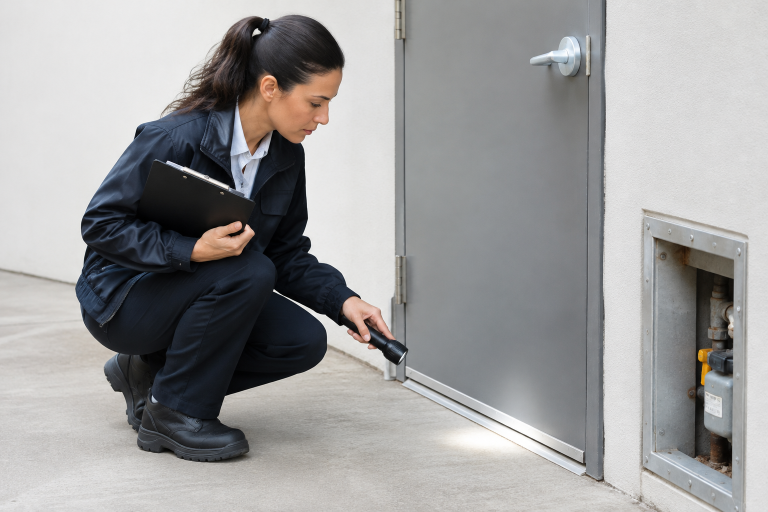
Spring is a practical time to inspect the exterior and correct problems that developed during winter weather. Walk the property perimeter and look closely at exterior walls, rooflines, doors, windows, drains, utility penetrations, landscaping, and waste areas.
- Check for cracks, damaged screens, loose weather stripping, and gaps around pipes or cables.
- Remove standing water and address drainage problems near the structure.
- Trim vegetation away from walls, rooflines, and exterior equipment where possible.
- Review cleaning practices after renovations, seasonal maintenance, or changes in occupancy.
- Watch for early signs of ants, flies, nesting activity, mosquitoes, or termite concerns.
Summer: Control Food, Water, and Entry Points
Summer operations often create more opportunities for pests. Doors may stay open longer, deliveries may be more frequent, outdoor seating may be in use, and waste can accumulate faster. Food service areas, receiving zones, patios, break rooms, and dumpsters deserve consistent attention.
- Store food and ingredients in sealed containers.
- Clean spills, grease, and food debris before each shift ends.
- Keep dumpster lids closed and maintain clear space around waste containers.
- Inspect door sweeps, screens, air curtains, and dock seals.
- Check outdoor seating, storage rooms, and delivery areas for conditions that attract pests.
Fall: Prepare for Rodents and Overwintering Pests
Fall is an important exclusion season. As temperatures change, mice, rats, and other pests may seek warm shelter, nesting sites, and reliable food sources. Small openings around loading docks, utility lines, vents, and foundations can serve as significant entry points.
- Seal gaps around pipes, cables, vents, doors, and dock equipment.
- Move pallets, stored materials, and clutter away from walls when practical.
- Check for droppings, gnaw marks, nesting material, grease marks, and damaged packaging.
- Inspect basements, ceiling spaces, utility rooms, and wall-adjacent storage.
- Review waste collection and food-storage procedures before holiday traffic increases.
Winter: Do Not Mistake Fewer Sightings for Lower Risk
Winter pest activity may be less visible, but heated buildings can still offer shelter, moisture, and food. Kitchens, employee break rooms, receiving areas, apartment common spaces, inventory rooms, and mechanical rooms should remain part of the inspection routine. Document sightings, odors, damage, or repeat reports instead of assuming they will disappear on their own.
Build a Simple Commercial Inspection Routine
- Walk the perimeter: Check doors, walls, windows, drains, landscaping, and waste areas.
- Inspect interior risk zones: Review kitchens, storage rooms, restrooms, utility areas, and loading docks.
- Record evidence: Note pest sightings, droppings, moisture, odors, damage, and likely entry points.
- Correct the source: Repair leaks, improve sanitation, remove clutter, or seal openings.
- Escalate when needed: Seek qualified professional support when activity continues or affects health, safety, inventory, or operations.
Match Prevention to the Property
High-Risk Areas by Business Type
- Restaurants: Prioritize grease, drains, food storage, deliveries, and waste handling.
- Warehouses: Focus on loading docks, pallets, receiving areas, stored goods, and exterior gaps.
- Offices: Monitor break rooms, shared kitchens, plumbing areas, and cluttered storage spaces.
- Apartment communities: Coordinate resident reporting, trash management, common-area checks, and unit access.
- Schools, childcare, and healthcare properties: Use careful documentation and plans suited to sensitive spaces.
Monitoring tools such as inspection logs, sticky monitors, visual checks, and trend reports help teams identify where activity begins and whether corrective work is helping. The Illinois Department of Public Health advises that pest identification and inspection should precede treatment decisions and notes that sealing food, reducing moisture, trapping, and exclusion can be effective components of an integrated plan.
Know When Professional Help Makes Sense
Professional support may be appropriate when pest activity repeats despite corrective work, when rodents or stinging insects are present, when inventory is damaged, or when pests appear in sensitive areas. Before selecting a provider, ask how the property will be inspected, what risks were identified, what staff actions are needed, how service will be documented, and how follow-up will be handled.
A One-Page Year-Round Checklist
- Inspect exterior doors, walls, vents, drains, and utility openings.
- Keep food, waste, and inventory secured.
- Fix leaks and eliminate standing water.
- Keep storage areas clean, organized, and accessible for inspection.
- Document sightings and maintenance concerns promptly.
- Review responsibilities before each seasonal change.
- Use professional help when activity persists or creates an operational risk.
Conclusion
Effective commercial pest prevention is a year-round system built on inspections, sanitation, exclusion, maintenance, staff awareness, and timely response. Businesses do not need to wait for a visible infestation to act. Consistent attention to the conditions that attract pests can help protect operations throughout every season.


0 Comments