Key Takeaways
Test guest bathrooms before visitors arrive, especially toilets, showers, faucets, and drains.
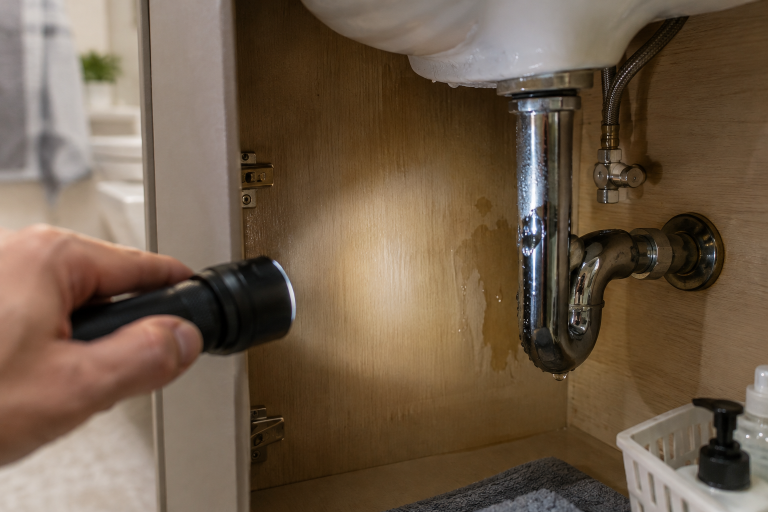
Inspect visible supply lines and cabinet interiors for moisture, corrosion, or stains.
Keep grease, wipes, paper towels, and food scraps out of household drains.
Locate the main water shutoff valve before a plumbing problem occurs.
Schedule repairs early for leaks, recurring clogs, low pressure, or drainage problems.
Holiday hosting in Charlotte, North Carolina, often means a fuller house, extra showers, busy bathrooms, large family meals, and a dishwasher that seems to run nonstop. A little preparation before relatives arrive can help your plumbing handle the added demand without turning a celebration into a cleanup project.
Whether guests are traveling in for Thanksgiving, winter break, or a long weekend, it is smart to test the fixtures they will use most. Addressing a weak flush, hidden drip, or slow shower drain early may prevent an inconvenient call to a toilet repair plumber in Charlotte when your home is already full.
Why Holiday Guests Put More Pressure on Plumbing
A home that normally has two or three occupants can use far more water when guests arrive. More people means more toilet flushes, handwashing, showers, laundry, meal preparation, and dishwashing. In Charlotte, many households also host gatherings that span several days, giving small plumbing issues more opportunities to surface. Occasional winter cold snaps in the Piedmont can also stress pipes along exterior walls or in unheated crawl spaces, so check those areas before the holiday crowd arrives.
A rarely used guest bathroom can be especially deceptive. A toilet may appear fine after one flush but struggle after repeated use. Likewise, a partially clogged shower drain may not be obvious until several people use the bathroom in one morning. Testing fixtures before the holiday rush gives you time to make practical decisions without pressure.
Start With a 15-Minute Plumbing Walkthrough
Walk through the house with a flashlight, notepad, and a few minutes to spare. Focus first on bathrooms, the kitchen, laundry area, and any utility sink that may see extra use.
Turn on every faucet and check both hot and cold water.
Flush each toilet two or three times, allowing the tank to refill between flushes.
Run the guest shower and watch to see whether the water clears the drain promptly.
Open vanity and kitchen cabinets to look for damp spots or stains.
Listen for water running after a fixture has been shut off.
Write down every issue that needs attention before guests arrive.
Check the Guest Bathroom First
Toilet Checks
Flush the toilet several times and listen after the tank refills. Water that continues to run, a handle that sticks, or a tank that refills unexpectedly can point to a worn internal part. Check the floor near the toilet base, the shutoff valve, and the supply line for moisture. A toilet that rocks when used should also be inspected before it is put to heavier use.
For a simple silent-leak check, place a few drops of food coloring in the tank and wait about 10 minutes without flushing. If color appears in the bowl, water is leaking past the flapper or flush valve seal. The EPA recommends this basic toilet leak test and advises flushing afterward to prevent staining. Checking toilets as part of regular home maintenance can help uncover problems that are easy to miss during everyday routines.
Faucet, Sink, Shower, and Tub Checks
Run both faucet handles and confirm they shut off fully. Look beneath the sink for wet cabinet floors, corrosion around connections, or old water marks. In the shower or tub, test water temperature and flow, then watch the drain. Pooling water, a lingering drip from the showerhead, or musty odors deserve attention before visitors rely on that bathroom.
Protect Kitchen Drains During Holiday Cooking
The kitchen can become the hardest-working area of a Charlotte home during a holiday meal. Scrape plates into the trash or compost before rinsing them, use a sink strainer to catch debris, and avoid overloading the garbage disposal with large amounts of starchy or fibrous food.
Fats, oils, and grease should never go down the drain, even when followed by hot water. Let cooking grease cool in a container, then dispose of it in the trash. Charlotte Water’s guidance on keeping grease and wipes out of pipes also warns that these materials can contribute to blockages and sewer backups. Only toilet paper and human waste belong in the toilet.
Test Water Heater Capacity Before Guests Arrive
Run a shower long enough to confirm the water reaches and maintains a comfortable temperature. Listen for unusual popping, banging, or rumbling from the water heater, and note whether hot water runs out much faster than expected. During a busy weekend, avoid stacking long showers, laundry loads, and dishwasher cycles at the same time when possible. If the system has inconsistent temperature, visible leakage, or unusually limited hot water, arrange an inspection before the gathering.
Find the Main Water Shutoff Valve
Knowing how to stop the water quickly can limit damage from a failed supply line, overflowing toilet, or sudden leak. Locate the main shutoff valve before guests arrive, make sure the area is accessible, and show other adults in the household where it is. Do not force a valve that feels seized or fragile. A plumber can assess a difficult valve and help ensure it works when needed.
Simple Care for Rarely Used Bathrooms
Run water through the sink, tub, and shower before the holiday season. Flush the toilet, check that it refills normally, and inspect the flooring around the vanity and toilet. Keep a plunger, absorbent towels, a small bucket, and basic cleaning supplies nearby. These simple preparations make a guest bathroom more comfortable and help you respond calmly if a minor issue occurs.
When to Call a Licensed Plumber
Professional help is appropriate when a toilet leaks at the base, shifts on the floor, backs up repeatedly, or fails to flush reliably. Call for service if several fixtures drain slowly at the same time, water appears in a wall or ceiling, the main shutoff valve will not operate, or a repair attempt does not solve the problem. When comparing service options, ask for a written estimate, the scope of work, and whether the underlying cause will be evaluated instead of only the visible symptom.
A Practical Holiday Plumbing Timeline
Two Weeks Before Guests Arrive
Test every toilet, sink, shower, and tub.
Check kitchen drainage and the garbage disposal.
Inspect visible plumbing connections for leaks.
Schedule repairs for slow drains, weak flushes, or water pressure concerns.
One Week Before Guests Arrive
Repeat the most important fixture tests.
Confirm repairs are complete and the bathroom is ready.
Locate the main water shutoff valve.
Set out a plunger, towels, and cleaning supplies.
The Day Before Guests Arrive
Run each guest bathroom fixture briefly.
Check cabinets and floors for fresh moisture.
Clear the kitchen sink and avoid putting grease down the drain.
Give the water heater time to recover before high-demand use begins.
Frequently Asked Questions
How early should plumbing be checked before holiday guests arrive?
About two weeks ahead is a practical target. It provides time to identify issues, obtain parts if needed, and schedule service before holiday calendars become crowded.
Why does a guest bathroom smell after sitting unused?
A dry drain trap, buildup, or a hidden plumbing problem can create odors. Running water may restore a dry trap, but persistent sewer-like or musty smells should be investigated.
Should a slow drain be repaired before the holidays?
Yes. Extra showers, handwashing, and dishwashing can turn a minor drainage issue into a more disruptive blockage.
Conclusion
A short plumbing check can help Charlotte homeowners avoid a long holiday headache. Test toilets, drains, faucets, showers, and hot water before the house gets busy. By addressing minor issues early and keeping kitchen waste out of the plumbing system, you can spend more time with guests and less time dealing with unexpected plumbing problems.


0 Comments