Key Takeaways
- A clean home can be comfortable without being perfect.
- Short, repeatable tasks often work better than rigid daily schedules.
- Food areas, bathrooms, entryways, and high-touch surfaces deserve priority.
- Moisture control and ventilation matter in Wilmington’s humid coastal environment.
- A routine should change with a household’s schedule, pets, children, and energy level.
Keeping a Wilmington home comfortable does not require a spotless house every day. Between coastal humidity, tracked-in sand, rainy afternoons, pets, work, and family schedules, a flexible rhythm is often more useful than a strict chore chart. For households that view house cleaning as part of their routine, the most practical goal is a home that feels safe, usable, and easier to reset.
Why Rigid Cleaning Schedules Often Fail
A detailed chart can look motivating until real life interrupts it. A busy week, a sick child, company arriving, or a long commute can quickly derail a plan that assigns every task to one exact day. Missing Tuesday’s bathroom task should not make the entire week feel unsuccessful.
A cleaning rhythm offers more flexibility. Instead of asking, “What should happen on Thursday?” it asks, “What needs attention now?” This approach helps residents focus on visible messes, high-use rooms, and tasks that prevent odors, grime, or clutter from building up.
Start With a Home Reset, Not a Deep Clean
When the house feels out of control, b, however, do a functional reset rather than attempting a full scrub. Put items back in their rooms, clear kitchen and bathroom counters, remove trash, straighten beds or seating, and sweep the busiest floors. This creates breathing room and makes the next cleaning decision clearer.
Some households may choose to use a cleaning service after a move, illness, renovation, or especially demanding period, but a basic reset still helps identify which areas need the most attention first.
Build a Three-Level Cleaning System
Level One: Daily Function
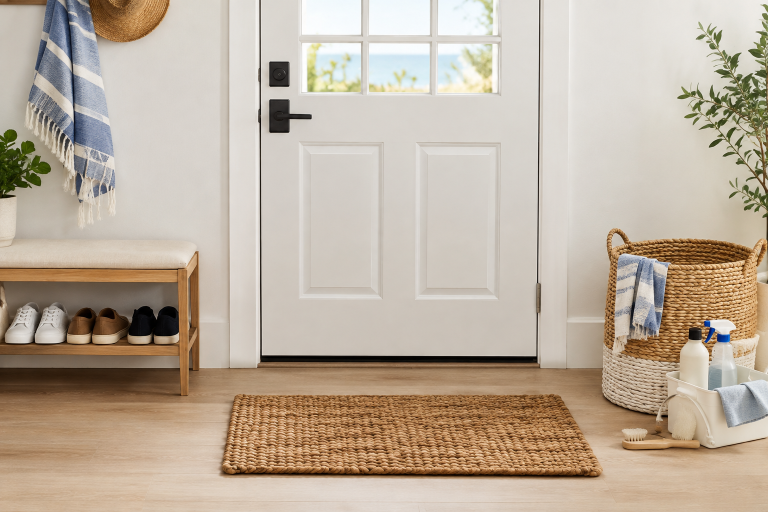
These are the small tasks that keep shared spaces usable. Load or wash dishes, wipe food-preparation surfaces, handle spills before they dry, and return stray items to baskets or rooms. In Wilmington, keeping a mat near entrances can also make it easier to catch damp shoes, sand, and outdoor debris before they spread through the home.
Level Two: Weekly Comfort
Weekly tasks often include vacuuming or sweeping high-traffic floors, dusting frequently used surfaces, cleaning bathroom fixtures, changing bedding, and refreshing towels. A household with pets, children, or several occupants may need to repeat some of these tasks more often.
Level Three: Occasional Detail
Reserve deeper tasks for a rotating list. Wipe baseboards, wash doors, clean vents and light fixtures, organize a drawer, clean behind appliances, or wash windows one zone at a time. There is no need to complete every detail task during the same weekend.
Prioritize High-Touch Areas
Doorknobs, light switches, faucet handles, refrigerator pulls, remotes, phones, and commonly used counters tend to be frequently touched. Regular cleaning is usually the first step. The CDC guidance for cleaning and disinfecting a home explains that cleaning removes dirt and many germs, while sanitizing and disinfecting may be appropriate in certain circumstances, such as when there is illness in the household.
Use products appropriate for the surface and follow the label directions. Cleaning first is important because dirt and residue can interfere with the effectiveness of sanitizing or disinfecting products.
Use Flexible Time Blocks Instead of Fixed Chore Days
- Five minutes: Clear a counter, empty a small trash can, or gather clutter from one room.
- Fifteen minutes: Reset a bathroom, sweep the entryway, or wipe kitchen surfaces.
- Thirty minutes: Complete a basic whole-home reset of dishes, clutter, trash, and floors.
- One hour: Handle routine cleaning plus one detail task, such as a refrigerator shelf or a bedroom closet.
Consistency matters more than the length of any single session. A few focused minutes can prevent an overwhelming buildup later.
Match the Routine to Each Room
Kitchen and Dining Areas
Focus on crumbs, grease, food spills, sinks, appliance handles, and trash. Wiping spills promptly and rinsing the sink at the end of the day can make the room easier to maintain.
Bathrooms
Bathrooms need attention to moisture, soap residue, toilets, sinks, mirrors, and floors. Run an exhaust fan when available and allow damp towels to dry rather than leaving them bunched up.
Bedrooms and Living Areas
Refresh bedding, manage laundry, dust bedside surfaces, and vacuum floors as needed. In shared rooms, a basket for toys, mail, and other loose items can make a quick evening reset much simpler.
Support Indoor Air Quality While Cleaning
Cleaning should not create avoidable irritation indoors. Open windows when outdoor conditions are suitable, use kitchen and bathroom exhaust fans, and avoid mixing products. The EPA identifies source control, ventilation, filtration, and moisture management as practical ways to improve indoor air quality at home.
Choose fragrance-free products if strong scents cause discomfort, use only the amount directed, wear gloves when the label recommends them, and store all products out of reach of children and pets. Never mix bleach with other cleaners.
Adjust for Children, Pets, and Coastal Life
Homes with children or pets may need extra attention in play zones, feeding areas, litter areas, dining spaces, and entryways. Washable mats, easily reachable storage baskets for adults, and a regular bowl-cleaning routine can reduce daily mess. Accidents should be handled promptly to limit stains and odors.
A lived-in home will show signs of daily life. The standard does not require a display-ready space. It should be clean enough for cooking, resting, gathering, and moving comfortably throughout the day.
When a Deeper Reset Makes Sense
A deeper reset can be helpful after moving, hosting visitors, recovering from illness, completing a renovation, or falling behind during a demanding season. Break the work into zones, begin with dry tasks such as decluttering and dusting, then move to wet cleaning and floors. Working from higher surfaces down helps avoid repeating tasks.
A Simple Seven-Day Example
- Reset the kitchen and dining area.
- Refresh bathrooms and replace towels.
- Dust bedrooms and change bedding.
- Vacuum or sweep the busiest floors.
- Clear the entryway and living spaces.
- Complete one rotating detail task.
- Rest, review what worked, and adjust for the next week.
This sample is a guide, not a rule. A low-stress Wilmington cleaning rhythm succeeds when it fits the people who live there, leaves room for unexpected days, and keeps the home’s most important areas ready for everyday life.


0 Comments