Key Takeaways
A personal injury attorney can explain the claims process, review available evidence, and help identify potential legal issues.
The initial consultation helps establish the facts, review available documents, and discuss possible next steps.
Attorneys may collect accident reports, photographs, witness statements, medical records, employment information, and insurance correspondence.
Consistent medical care and organized treatment records can help document injuries, expenses, and recovery progress.
Legal representation can help manage insurance communications, evaluate documented losses, and negotiate settlement offers.
Not every personal injury claim requires a lawsuit, but litigation may be considered when negotiations do not resolve disputed issues.
Clients can support their cases by preserving records, responding promptly, communicating honestly, and staying involved in important decisions.
Case timelines and outcomes vary depending on the injuries, evidence, insurance coverage, disputed facts, and applicable laws.
After an accident, it can be difficult to know what should happen next, especially while you are managing medical appointments, missed work, vehicle damage, or calls from insurance companies. A personal injury attorney can help organize the process, protect important information, and explain the decisions that may affect your claim. The team at Brian Boyer injury & car accident lawyer can discuss how legal representation may fit into the circumstances of an injury case. Every case is different, and the length or outcome of a claim depends on the injuries, available evidence, insurance coverage, disputed facts, and local law. Still, most personal injury cases follow a recognizable path. Knowing what to expect can make it easier to stay informed and take an active role in your own recovery.
The First Meeting With Your Attorney
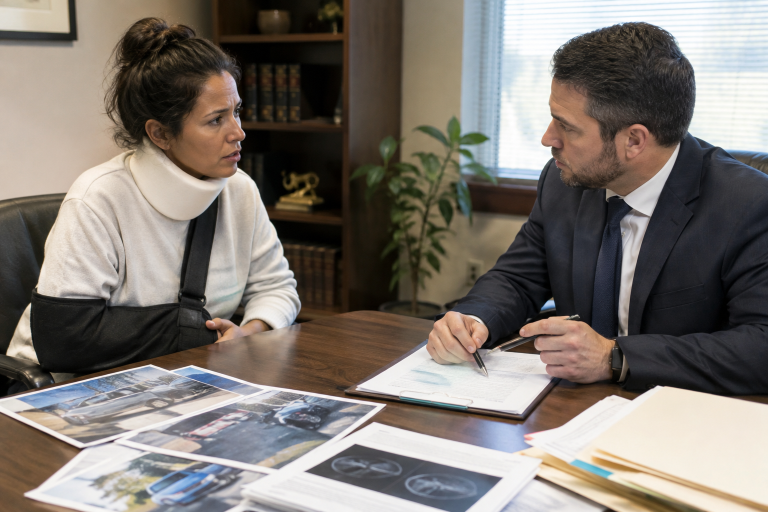
Your first meeting is usually focused on learning what happened and identifying the information that may matter. Your attorney may ask about the date and location of the incident, the people involved, witnesses, medical treatment, insurance policies, employment, and any conversations you have had with an insurer. Bring whatever you have, even if it feels incomplete. Useful materials may include photographs, a crash report, incident reports, insurance letters, medical paperwork, repair estimates, and contact information for witnesses. An attorney can then explain the general strengths, questions, and potential next steps in the claim without promising a particular result.
How Your Attorney Investigates the Claim
Once representation begins, your attorney may gather and preserve evidence before it becomes harder to obtain. Depending on the case, that can include photos, video footage, witness statements, official reports, property-damage records, and communications between the parties.
Information That May Be Collected
Accident or incident reports and report numbers.
Photographs and videos from the scene.
Witness names, contact details, and statements.
Medical records, bills, and treatment recommendations.
Employment records related to missed work.
Insurance policy information and claim correspondence.
In some cases, an attorney may also consult qualified experts, such as accident reconstruction professionals or medical specialists, when their opinions are relevant to disputed issues. Whether that is necessary depends on the facts, the claimed injuries, and the issues raised by the other side.
Medical Care and Treatment Records
Your attorney does not replace a medical professional. Their role is to help document how an injury affects your life and to use your providers' records when presenting the claim. Continue following medical advice, attend appropriate appointments, and tell your provider about symptoms that begin or worsen after the incident. Keeping organized medical records and treatment information can make it easier to track appointments, bills, prescriptions, referrals, and work restrictions. If a head injury is possible, seek prompt medical guidance, particularly when symptoms such as worsening headaches, confusion, repeated vomiting, weakness, or unusual behavior appear. The CDC also explains concussion symptoms and emergency warning signs that may require immediate attention.
Communication With Insurance Companies
After you hire an attorney, the law firm may handle many communications with insurers and opposing parties. This can include notifying them of representation, submitting requested documentation, responding to written correspondence, and discussing settlement proposals. You should still promptly share any letters, emails, voicemails, or claim updates you receive. Do not ignore insurer requests or deadlines, and avoid guessing about facts you do not know. It is also wise to avoid posting comments, photos, or detailed updates about the accident or your condition on social media while a claim is pending.
Evaluating Losses and Damages
A personal injury attorney will generally review the ways an accident has affected you. Depending on the case and applicable law, this may include medical expenses, anticipated treatment needs, lost income, property damage, and the personal impact of pain or physical limitations. Documentation matters. Save receipts for out-of-pocket expenses, records of missed work, mileage related to treatment, and notes about activities you can no longer perform or can perform only with difficulty. These materials help your attorney assess the claim based on evidence rather than assumptions.
The Demand and Negotiation Process
When enough information is available to evaluate the claim, an attorney may prepare a demand package for the responsible party or insurer. It commonly summarizes the incident, explains the injuries and losses, and includes supporting records. The insurer may accept the demand, make a counteroffer, request additional information, or deny responsibility. Negotiation can take time. Your attorney should explain offers, discuss possible advantages and risks, and seek your authority before accepting a settlement. The final decision to settle is yours.
What Happens If a Lawsuit Is Filed
Not every claim becomes a lawsuit. If negotiations do not resolve the matter, filing suit may be considered before a legal deadline expires. A lawsuit initiates a formal court process that may involve written questions, document exchanges, sworn testimony, motions, mediation, and possibly a trial. Your attorney should prepare you for major milestones, explain what information is needed, and keep you updated about meaningful developments. Court schedules and procedural requirements can affect timing, so a case may not move in a straight line.
Your Role During the Case
You remain an important part of the case from beginning to end. The most helpful habits are staying reachable, being honest about prior injuries and current symptoms, attending treatment when appropriate, and updating your attorney on new medical providers, work changes, or insurer contact information.
Simple Ways to Help Your Case Stay Organized
Keep copies of bills, reports, and correspondence.
Use a calendar for appointments, symptoms, and missed work.
Reply promptly when your legal team requests information.
Ask questions when you do not understand a document or decision.
Tell your attorney immediately about new evidence or contact from the other side.
Common Questions
How often should my attorney update me?
Communication practices vary, but you should receive updates about significant case activity and have a way to ask questions. Let your attorney know early if you prefer communication by phone, email, or another method.
Will my case settle quickly?
Some claims resolve relatively early, while others require more investigation, treatment records, negotiation, or litigation. A careful evaluation is often more useful than rushing into a settlement before the full impact of an injury is understood.
Do I have to go to court?
No. Many injury claims are resolved without a trial. However, the possibility of litigation may need to be evaluated when liability, damages, or insurance coverage remains disputed.
Final Takeaway
A personal injury attorney should provide guidance throughout the claims process by investigating the facts, reviewing available evidence, communicating with insurance companies, evaluating documented losses, and explaining important legal choices. This may involve gathering medical records, accident reports, witness statements, photographs, employment information, and other documents that help establish how the injury occurred and what consequences followed. The attorney should also keep the client informed about significant developments, explain potential challenges, and discuss settlement options or other available legal steps. At the same time, you play an important role in supporting your own claim. You can help by preserving relevant records, following appropriate medical advice, attending scheduled appointments, communicating honestly about your symptoms and circumstances, and responding to reasonable requests for information. It is also important to ask questions when something is unclear and remain involved in decisions that may affect your case. Clear communication and cooperation between you and your attorney can help keep the process organized and support more informed decisions as the claim progresses.


0 Comments