
Table of Contents
- Understanding Furnace Efficiency
- Benefits of High-Efficiency Furnaces
- Proper Sizing and Installation
- Smart Thermostats and Controls
- Regular Maintenance
- Government Incentives and Rebates
- Conclusion
Heating your home during the colder months is a significant expense for many households. Finding ways to reduce those energy costs without compromising on comfort has become increasingly important. Upgrading to a modern furnace not only boosts energy efficiency but also provides advanced technology that can make a noticeable difference in your energy bills over time. If you’re exploring home furnace upgrades in Sudbury, understanding current best practices and available technologies is essential.
Today’s high-efficiency furnaces represent a leap forward compared to older systems. They convert more fuel into usable heat, require less energy, and offer features that adapt to your lifestyle for maximum savings. By learning more about the latest installation techniques and technologies, you can make an informed decision and see real improvements in your comfort and expenses. These methods benefit not only your wallet but also the environment.
In addition to the financial and environmental incentives, homeowners also enjoy a consistently warm, comfortable living space. The advanced technology in modern furnaces provides reliable temperature control, even during the coldest parts of winter, which is vital for those in colder climates. For a deeper understanding of how these methods play a crucial role in keeping Sudbury households warm and comfortable, investigating both product and installation strategies can help you plan a successful furnace upgrade.
Understanding Furnace Efficiency
At the core of furnace performance is efficiency, measured by the Annual Fuel Utilization Efficiency (AFUE) rating. This metric reveals how much of the fuel consumed is turned into usable heat. For example, an older furnace with an AFUE of 70% wastes 30% of its fuel. Modern furnaces frequently exceed 90% AFUE, meaning almost all the fuel is effectively converted into heat for your home. The higher the AFUE, the less you waste energy, translating directly into lower monthly energy expenses. More details can be found in the U.S. Department of Energy’s furnace guide.
Benefits of High-Efficiency Furnaces
Transitioning to a high-efficiency furnace presents multiple advantages:
- Lower Energy Bills: By utilizing fuel efficiently and minimizing waste, households see substantial reductions in their heating costs over time.
- Environmental Impact: Efficient systems use less energy, thereby reducing greenhouse gas emissions and supporting a more sustainable future.
- Enhanced Comfort: Advanced furnaces regulate temperatures more evenly and improve humidity control, contributing to a healthier, cozier indoor environment.
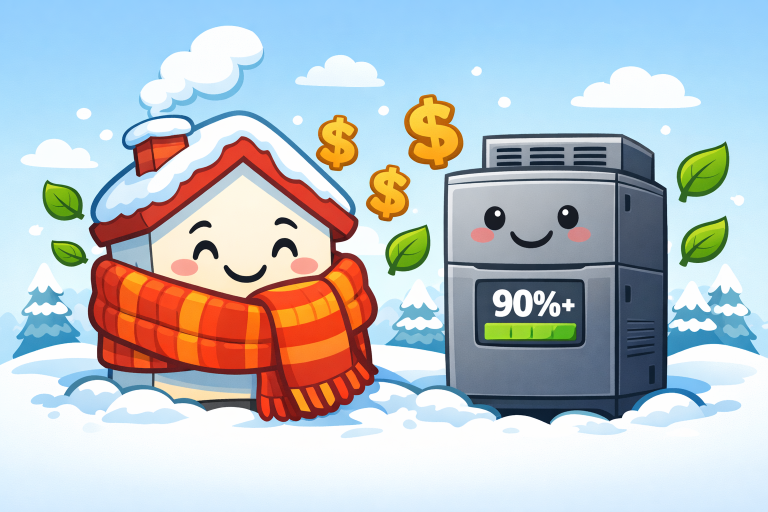
These furnaces operate quietly and often require less maintenance, making them a smart long-term investment for both your wallet and the environment.
Proper Sizing and Installation
Installing a properly sized furnace for your home is critical to ensure efficiency and comfort. Over-sized systems tend to short-cycle, wasting energy and stressing furnace components, while undersized furnaces struggle to maintain the desired temperature. Professional installers will assess your home's square footage, insulation, window quality, and local climate to determine the ideal unit size. According to the U.S. Department of Energy, a correctly installed furnace can improve efficiency by up to 30 percent. Ensuring accurate ductwork and a tight seal during installation further enhances performance.
Smart Thermostats and Controls
Modern furnaces can integrate with smart thermostats, which enable precise programming and adaptability to your household’s routines. These devices learn your heating patterns and automatically adjust settings to maximize comfort and energy efficiency. Studies, including those found on Consumer Reports, have found that smart thermostats can reduce heating costs by up to 10 percent by preventing unnecessary energy use. Over time, those savings can significantly offset the cost of investing in new technology.
Regular Maintenance
Even the most advanced system requires regular maintenance to maintain peak performance. Maintenance includes replacing or cleaning filters, checking for leaks or blockages, and inspecting ducts and vents for dust buildup. Routine care prolongs furnace life, prevents breakdowns, and ensures continuous efficiency, helping stabilize quarterly utility bills. Scheduling an annual inspection is an excellent preventive measure that can help avoid unexpected, costly repairs.
Government Incentives and Rebates
Many homeowners are eligible for tax credits, rebates, or other incentives when upgrading to an energy-efficient furnace. In the United States, the Department of Energy has proposed new standards to help consumers save on future energy costs and to promote a significant reduction in greenhouse gas emissions. Residents should research local energy incentive programs, which may include rebates from utility companies or government grants to reduce overall installation costs. Detailed and current information about these incentives is available from reputable sources such as The New York Times’ Wirecutter furnace resource.
Conclusion
By investing in modern furnace installation and using advanced technologies, proper sizing, and smart controls, homeowners can cut energy costs while enjoying dependably warm, cozy living spaces. The combination of regular maintenance and the benefits of available government incentives further enhances the value, ensuring the upgrade will benefit both your budget and home environment in the long run. Consulting with experienced professionals can help you navigate your options and select the system that best meets your needs, keeping comfort high and expenses low.


0 Comments