Table of Contents
- Why Small Supports Matter
- Start With Daily Routines
- Check the Home for Common Risks
- Support Safe Movement
- Make Meals and Medicine Easier
- Use Technology With Care
- Protect Social Connection
- Share Caregiving Tasks
- Know When Needs May Change
- Common Questions Families Ask
For many older adults in Mattoon, Illinois, remaining at home means staying close to familiar routines, neighbors, favorite rooms, and the community they know. Independence does not require doing every task without help. It often means having the right amount of support to continue making personal choices safely. Families exploring senior care options can begin by looking at the small parts of the day that have become difficult, tiring, or risky.
Thoughtful changes can be especially useful during Central Illinois weather shifts, when dark evenings, rain, ice, or snow may make errands and outdoor walking less predictable. A safer home, steady routines, and clear communication can help an older adult remain active without feeling a loss of control in everyday support.
Why Small Supports Matter
A person may be fully capable of managing most of the day but appreciate help with a grocery trip, a high shelf, stairs, or an evening check-in. Thoughtful elder care works best when it's based on the person's health, preferences, energy level, and goals. Asking, "What would make this easier?" is usually more respectful and useful than assuming help is needed.
Start With Daily Routines
Reliable routines can reduce stress and make important tasks easier to remember. A simple morning plan might include getting dressed, eating breakfast, taking medicines as directed, and taking a short walk or doing gentle movement. An evening routine may include preparing for the next day, checking that pathways are clear, charging a phone, and setting out needed items.
Families should adjust routines when sleep, appetite, pain, or energy changes. For some households, occasional support from Midwest Home Care may help with practical tasks while allowing the older adult to remain involved in day-to-day decisions.
Check the Home for Common Risks
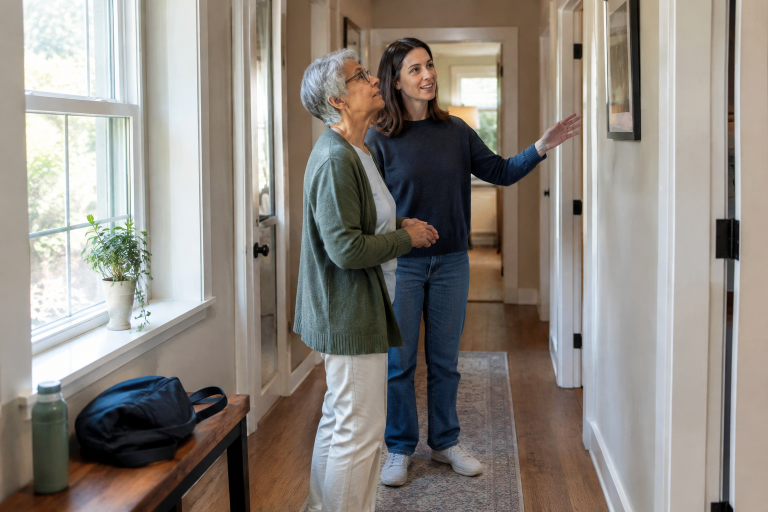
A room-by-room review can reveal hazards that are easy to overlook because they have become familiar. Orthopedic experts note that loose rugs, poor lighting, cluttered paths, and hard-to-reach items can all contribute to falls at home. Small home safety changes can make daily movement less stressful without requiring a major renovation.
Room-by-Room Checklist
- Remove cords, loose rugs, boxes, and other clutter from walking paths.
- Use bright lighting in hallways, stairways, kitchens, bathrooms, and entryways.
- Keep frequently used dishes, clothing, and toiletries within comfortable reach.
- Use non-slip surfaces where floors may become wet.
- Make sure chairs and beds are sturdy and easy to get in and out of.
- Keep a phone or emergency alert device within reach, including near the bed.
Include the older adult in the review. They may know where the floor feels uneven, where they need a handhold, or which part of the house feels difficult after dark.
Support Safe Movement
Movement helps people continue doing the activities that matter to them, so safety planning should not automatically mean limiting activity. Keep paths open, allow extra time for standing and turning, and avoid rushing during transfers, on stairs, or for nighttime bathroom trips. Handrails on stairs and properly fitted mobility aids can be helpful when recommended by a qualified health professional.
A sudden change in balance, strength, walking, or dizziness should be discussed promptly with a doctor or other qualified clinician. A fall, even without an obvious injury, is also worth reporting.
Make Meals and Medicine Easier
Changes in vision, memory, grip strength, appetite, or stamina can make cooking and medication routines harder. Keep drinking water easily accessible, plan familiar meals with simple preparation steps, and use clear labels for stored food. A written menu can make it easier to see what is available for breakfast, lunch, and dinner.
Medication organizers, timers, and phone reminders may be useful, but they should fit the person's abilities and medication schedule. Families should not change a prescription, dose, or timing without guidance from a doctor or pharmacist. Repeated missed doses, duplicate doses, skipped meals, or a major change in appetite are reasons to seek professional advice.
Use Technology With Care
Simple technology can support communication and safety when it is welcome and easy to use. Useful options may include voice-controlled calling, automatic hallway lights, calendar reminders, emergency call buttons, and video calls with family. A device is only helpful if the person understands its purpose and can use it comfortably.
Privacy matters. Before setting up cameras, door alerts, location tools, or shared health reminders, talk directly about what information will be visible, who can access it, and when it will be used. Technology should make help easier to reach, not make the home feel constantly watched.
Protect Social Connection
Safety also includes emotional well-being. Regular conversations can help an older adult feel connected and can make changes in mood, memory, or daily habits easier to notice. A practical plan might include a family phone call each morning, a neighbor's coffee visit twice a week, and a shared errand or meal on weekends.
Visits should not feel like inspections. Ask about hobbies, local events, favorite meals, or memories, and encourage activities that feel meaningful, such as faith gatherings, clubs, classes, or time with friends.
Share Caregiving Tasks
Caregiving is more manageable when responsibilities are clear. Start by listing the tasks that need attention, then separate urgent needs from flexible ones. One person might coordinate appointments, another might handle groceries, and a nearby friend or neighbor might be part of a check-in plan.
A Simple Task-Sharing Plan
- Write down daily, weekly, and monthly needs.
- Match each task with a person's time, location, and abilities.
- Keep the schedule in one shared place.
- Name a backup person for important responsibilities.
- Review the plan regularly and revise it when needs change.
Know When Needs May Change
Support needs can change gradually or after an illness, injury, hospital stay, or medication adjustment. Watch for patterns such as more near-falls, unopened mail, difficulty bathing or dressing, missed meals, confusion during familiar tasks, growing isolation, or trouble keeping the home safe.
Repeated concerns deserve a conversation with a doctor, pharmacist, social worker, or another qualified professional. Practical steps for staying safe at home also emphasize medication review, clear walking paths, and support systems that respect independence.
Common Questions Families Ask
How can help be offered without taking over?
Ask before stepping in, offer choices, and allow extra time for safe tasks. For example, ask whether the person would prefer help carrying groceries or arranging delivery rather than deciding for them.
What should be addressed first in an unsafe home?
Begin with clear walking paths, lighting, bathroom safety, stair handrails, and frequently used items that are difficult to reach.
When is more support appropriate?
Consider additional help when daily tasks are becoming unsafe, needs exceed the family's available time or skills, or caregivers are becoming overwhelmed.
Conclusion
Safe aging at home in Mattoon often begins with small, respectful changes. A dependable routine, a home that is easier to navigate, regular social contact, and a shared support plan can help older adults remain involved in the choices that shape their daily lives. The most useful plan is flexible, practical, and reviewed as circumstances change.


0 Comments