Key Takeaways
- Motorcycle collisions often cause more direct physical trauma because riders do not have the protective frame, airbags, and seat belts found in passenger vehicles.
- Claims can require more detailed evidence about visibility, roadway conditions, rider gear, motorcycle damage, and the actions of every driver involved.
- Medical care should come first, followed by preserving evidence, reporting the crash when required, and keeping organized records.
- Insurance discussions after a motorcycle crash may involve questions about fault, treatment needs, lost income, bike repairs, and available coverage.
- A Red Bank motorcycle accident lawyer can assess the particular facts, records, and insurance issues involved in an injury claim.
Table Of Contents
- Introduction
- Why Motorcycle Injury Claims Are Different
- Injuries And Medical Evidence
- Fault, Visibility, And Road Conditions
- Evidence From The Motorcycle And Riding Gear
- Insurance And Financial Losses
- What To Do After A Red Bank Motorcycle Crash
- Mistakes To Avoid
- Frequently Asked Questions
- Conclusion
Motorcycle and car crashes share common causes and locations, such as congested downtown areas and busy intersections. However, the lack of a protective cabin in motorcycles results in more severe injuries. Car occupants benefit from safety features such as reinforced compartments and airbags, while motorcyclists face a greater risk of being thrown or struck directly. This distinction complicates injury claims for motorcyclists, necessitating thorough documentation from the onset of recovery. If questions arise about fault, injuries, or available compensation, a motorcycle accident lawyer can help a rider understand how the circumstances of the crash may affect the claim. Medical records, photographs, witness information, and police reports may all become important when documenting what happened. Keeping these records organized can help preserve details that may otherwise become difficult to recall later. Riders should also keep track of treatment, related expenses, and other losses connected to the accident.
Why Motorcycle Injury Claims Are Different
The central issue in any injury claim is still the same: what happened, who was responsible, and what harm resulted. Motorcycle cases, however, often demand closer attention to the mechanics of the crash. The motorcycle's size, the rider's lane position, the other driver's line of sight, braking distances, road debris, and impact points can all matter.
Motorcycles also provide much less physical protection in a collision. The safety risks faced by motorcyclists include reduced visibility to other drivers and a far greater likelihood of direct bodily contact during a crash. This does not determine fault on its own, but it helps explain why injuries and damages may differ substantially from those in a typical car accident.
Injuries And Medical Evidence
Motorcycle crashes may lead to fractures, road rash, joint injuries, spinal trauma, or head injuries. Symptoms may not be fully apparent at the scene because adrenaline and shock can mask pain. A rider who develops headaches, dizziness, numbness, confusion, chest pain, abdominal pain, or worsening stiffness should seek prompt medical attention.
Medical evidence is especially important because an insurer may evaluate the connection between the crash, the diagnosis, treatment recommendations, work restrictions, and future care. Follow-up appointments, therapy notes, imaging results, prescription records, and a daily symptom journal can help document the recovery process. Following the treatment plan and reporting new symptoms accurately are practical steps for both health and recordkeeping.
Fault, Visibility, And Road Conditions
Many motorcycle claims involve disputes about whether a driver saw the rider before turning, changing lanes, entering traffic, or opening a door. A driver may say the motorcycle appeared suddenly, while the rider may contend that the driver failed to look carefully enough. Neither statement alone resolves the issue.
Photographs, video, witness accounts, vehicle damage, traffic-camera footage, and the police report may provide useful context. Roadway conditions can matter as well. Loose gravel, standing water, potholes, faded markings, construction activity, obscured signs, or poor lighting may affect how a collision occurred. Riders should avoid speculating about speed, distance, or blame at the scene.
Evidence From The Motorcycle And Riding Gear
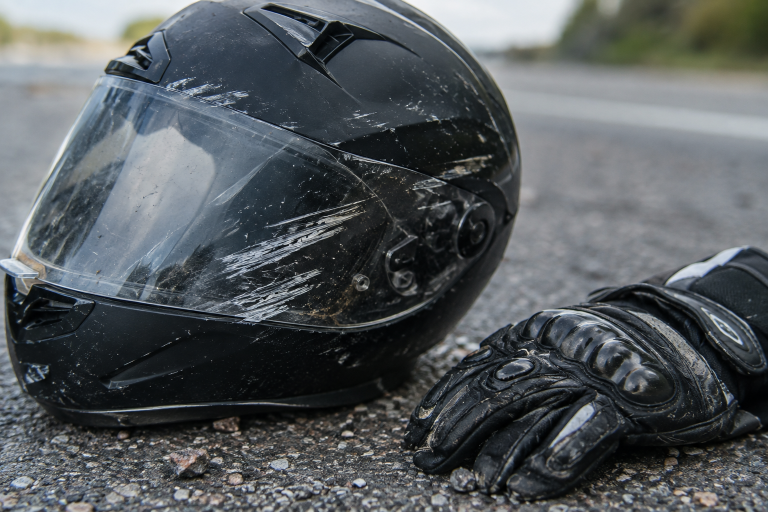
In a car crash, the vehicle itself often preserves much of the physical story. The same is true for a motorcycle, but the rider's equipment may be equally important. Damaged helmet, jacket, gloves, boots, and protective pants can show points of contact and the force of the impact.
Preserve These Items When Possible
- Photograph the motorcycle before major repairs or cleaning.
- Keep damaged riding gear in its post-crash condition.
- Save towing, storage, repair, and replacement records.
- Record the location of debris, skid marks, damaged signs, and road hazards.
- Identify nearby homes or businesses that may have camera footage.
New Jersey riders are required to meet licensing, registration, insurance, and equipment obligations that apply to motorcycles. Reviewing the state's motorcycle requirements can also help riders understand the responsibilities that may be examined after a crash.
Insurance And Financial Losses
A motorcycle claim may involve property damage to the bike, medical expenses, income lost during recovery, and other out-of-pocket costs. It may also require a careful review of the applicable insurance policies. Available coverage may depend on the policies held by the rider and other drivers involved, as well as the specific circumstances of the collision.
Reporting a crash is different from making broad statements about fault or accepting a settlement. Provide accurate basic information, but do not guess about what happened or minimize injuries before the medical picture is clear. A quick offer may not account for later treatment, time away from work, or lasting physical limitations.
What To Do After A Red Bank Motorcycle Crash
- Move out of traffic only if it is safe, and call 911 for injuries, hazards, or significant damage.
- Accept emergency evaluation when needed, and obtain follow-up care for delayed or worsening symptoms.
- Collect contact and insurance details from drivers and witnesses when physically able.
- Take photographs of vehicles, the roadway, traffic controls, visible injuries, and damaged gear.
- Request the crash report and keep all medical, repair, employment, and expense records together.
Mistakes To Avoid
- Discarding a damaged helmet or clothing before it has been documented.
- Repairing the motorcycle before obtaining clear photographs and an inspection.
- Posting opinions, videos, or detailed recovery updates on social media.
- Assuming that a delayed symptom is unrelated to the crash.
- Signing a release before understanding the full extent of injuries and losses.
Frequently Asked Questions
Does wearing a helmet decide who was at fault?
No. Fault depends on the evidence and applicable law. Helmet use may be relevant to injury issues, but it does not automatically determine who caused the collision.
Should a rider keep a damaged motorcycle?
When practical, the motorcycle should be preserved until it has been photographed and inspected. Do not delay urgent medical care or follow instructions from law enforcement or emergency personnel.
What if pain begins hours after the crash?
Seek medical advice promptly and explain that the symptoms began after the collision. Delayed pain, dizziness, confusion, or numbness should be taken seriously.
Conclusion
A Red Bank motorcycle accident claim can involve the same basic questions as a car accident claim, but the injuries, evidence, and insurance issues may be more complicated. Focusing on safety, timely medical care, factual documentation, and organized records can help a rider protect their health while preserving the information needed to evaluate the claim.


0 Comments